
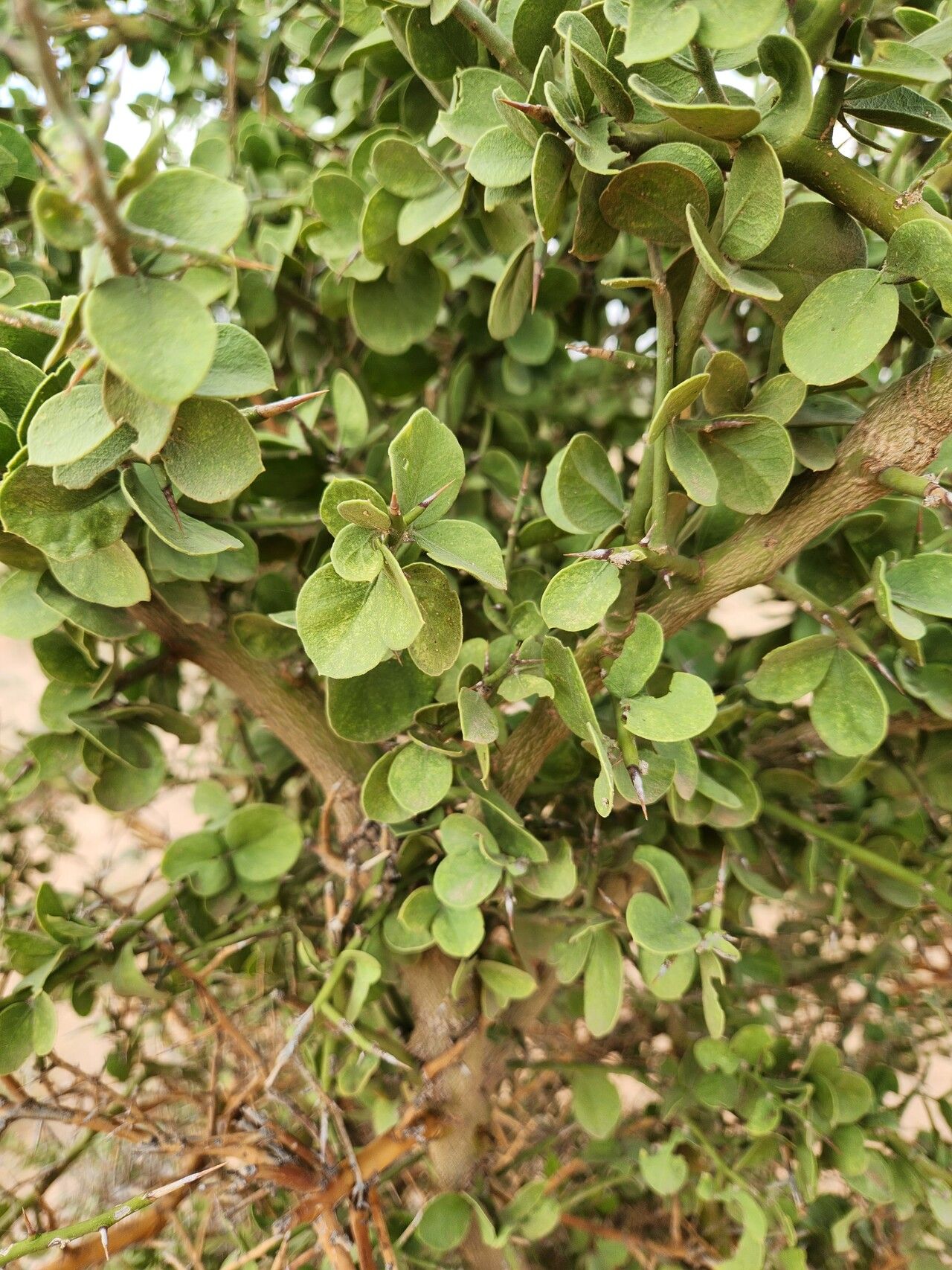
Cracking the Code: Propagating the Desert Date (Balanites rotundifolia)
The Desert Date, also known as Balanites rotundifolia, is a remarkable tree with a knack for thriving in arid landscapes. Native to Africa and parts of the Middle East, this resilient species boasts an impressive array of uses, from its edible fruit and oil-rich seeds to its medicinal properties and durable timber.
If you’re interested in cultivating this fascinating and valuable tree, understanding its propagation methods is key. While it can be a bit tricky, successfully growing Balanites rotundifolia from seed or cuttings can be immensely rewarding. Let’s delve into the details:
Method 1: Seed Propagation
Seed Collection and Preparation: Harvest ripe fruits directly from the tree, recognizable by their brown color and slightly wrinkled texture. Remove the fleshy pulp and extract the hard, stone-like seed within. To enhance germination rates, consider these pre-treatment options:
- Scarification: Gently rub the seed coat with sandpaper or a file to weaken it, allowing for easier water absorption.
- Soaking: Submerge the seeds in warm water for 24-48 hours, further softening the outer shell.
Sowing: Choose a well-draining potting mix, ideal for succulents and cacti. Plant the seeds at a depth of about 1 inch, ensuring adequate spacing for root development.
Watering and Care: Maintain consistent moisture in the soil without overwatering. Place the pot in a warm, sunny location, mimicking its natural habitat.
- Germination Time: Be patient! Germination can take anywhere from a few weeks to several months.
Method 2: Propagation from Cuttings
Timing is Everything: Take semi-hardwood cuttings from healthy branches during the early growing season when the plant is actively growing.
Cutting Selection and Preparation: Choose cuttings approximately 6-8 inches long with at least two nodes (small bumps where leaves or branches emerge). Remove leaves from the bottom third of the cutting.
Rooting Hormone (Optional but Recommended): Dip the base of each cutting in rooting hormone powder to stimulate root development.
Planting the Cuttings: Insert the treated cuttings into a well-draining potting mix, burying at least one node below the surface.
Humidity is Key: Create a humid environment by covering the pot with a plastic bag or using a propagation dome. This will help retain moisture and encourage root growth.
- Care and Patience: Place the cuttings in a warm, bright location, out of direct sunlight. Maintain consistent moisture and be prepared to wait several weeks for roots to establish.
Challenges and Tips:
Seed Dormancy: The hard seed coat of Balanites rotundifolia can contribute to dormancy. Pre-treating the seeds using the methods described above can significantly improve germination rates.
Proper Drainage: This species is highly susceptible to root rot. Ensure your potting mix provides excellent drainage and avoid overwatering.
- Patience is a Virtue: Propagating Balanites rotundifolia requires patience. Don’t be discouraged if you don’t see immediate results.
By following these guidelines and embracing the virtues of patience and persistence, you can successfully propagate Balanites rotundifolia and enjoy the satisfaction of nurturing this remarkable tree. Its resilience and adaptability make it a truly exceptional addition to any garden, particularly those in arid regions.