
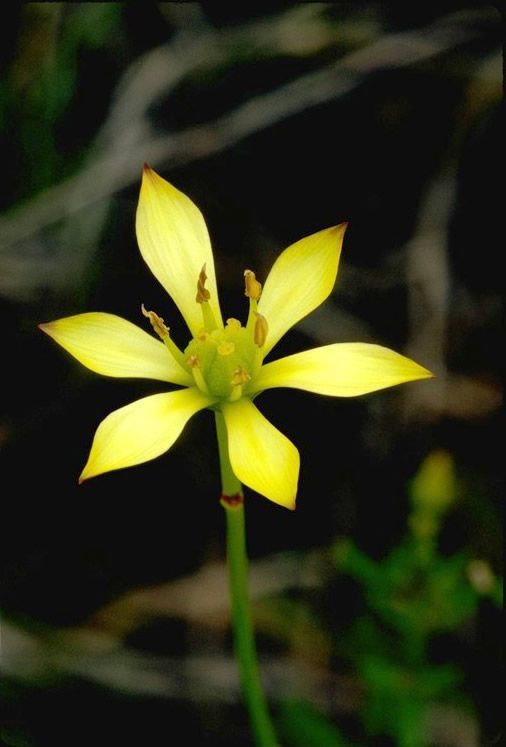
Unlocking the Secrets of Harperocallis Flava: A Propagation Guide for the Dedicated Gardener
Harperocallis flava, the captivating Florida scrub star, is a rare and endangered wildflower known for its exquisite beauty. Its delicate, star-shaped blooms, reminiscent of miniature lilies, emerge in a brilliant display of sunshine yellow against a backdrop of grassy, fire-dependent habitats. While admiring these beauties in their natural environment is a privilege, wouldn’t it be incredible to cultivate this rare gem in your own backyard?
Propagating Harperocallis flava is a challenging but rewarding endeavor, reserved for gardeners who are up for the task and committed to ethical sourcing. This comprehensive guide will equip you with the knowledge and techniques to embark on this horticultural adventure.
Seed Propagation: A Test of Patience
The most common method of propagating Harperocallis flava is through seeds. However, patience is paramount as this method requires dedication and a deep understanding of the plant’s unique needs.
- Sourcing Seeds: Due to its endangered status, obtaining seeds from wild populations is unethical and potentially illegal. Seek out reputable nurseries or seed banks specializing in rare and endangered plants.
- Mimicking Nature’s Touch: The key to successful germination lies in replicating the plant’s natural environment. Sow seeds in a well-draining, slightly acidic soil mix designed for cacti and succulents. Surface sow the seeds, pressing them gently into the soil.
- The Waiting Game: Harperocallis flava seeds are known for their erratic germination rates and can take several months to sprout. Maintain consistent moisture and place the seed tray in a warm, brightly lit location out of direct sunlight.
- First Signs of Life: Once seedlings emerge, continue providing bright, indirect light and allow the soil to dry slightly between waterings. Be patient, as the seedlings will be delicate and slow-growing at first.
Division: A More Advanced Approach
For experienced gardeners, dividing established clumps is another propagation method. However, this approach carries risks and should be undertaken with caution:
- Timing is Everything: Divide plants in early spring before new growth emerges. Carefully extract the entire clump from its pot or garden bed.
- Gentle Separation: Using clean, sharp tools, divide the clump into smaller sections, ensuring each section has a healthy root system.
- Replanting and Aftercare: Plant the divisions immediately in a well-draining mix and provide consistent moisture. Minimize transplant shock by maintaining a humid environment around the plants.
Challenges and Conservation Considerations
Propagating Harperocallis flava is not without its challenges. Be prepared for potential setbacks like damping-off and fungal diseases, especially during the seedling stage. Maintaining a sterile environment, proper air circulation, and careful watering practices are essential for success.
Most importantly, always remember that Harperocallis flava is a rare and endangered plant. Propagation efforts should focus on conservation and expanding the existing cultivated population. By responsibly growing this botanical treasure, you can contribute to its preservation and enjoy its exquisite beauty for years to come.