
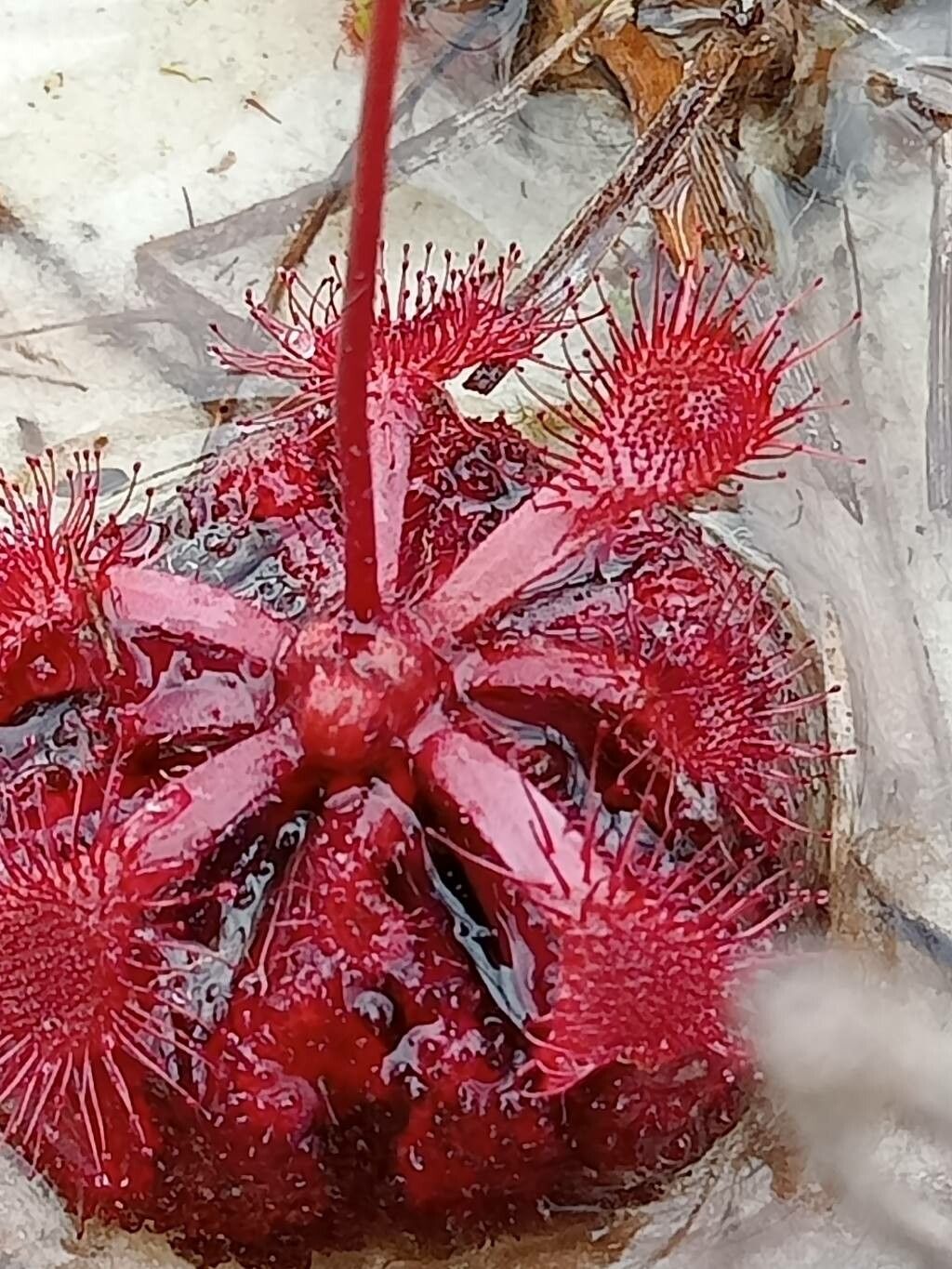
Doubling Your Dew: The Easy and Exciting World of Propagating Drosera Biflora
The Drosera biflora, with its glistening dewdrops and carnivorous appetite, is a fascinating addition to any plant enthusiast’s collection. But did you know this unique sundew is also incredibly easy to propagate? That’s right, you can multiply your collection and share the joy of these captivating plants with others. This guide delves into the simple yet rewarding techniques for propagating Drosera biflora, ensuring success for both beginners and seasoned plant parents.
Method 1: Leaf Cuttings – A Clone Army of Sundews
Leaf cuttings are arguably the most popular and effective method for propagating Drosera biflora. Here’s how it works:
- Choose healthy leaves: Select mature, healthy leaves from a vigorous plant. Younger leaves may not have enough energy reserves to successfully form new plants.
- Take the cut: Carefully remove the entire leaf, including the base where it connects to the stem. Using a sharp, sterilized blade minimizes damage to the plant and the risk of infection.
- Prepare the cutting: Lay the leaf horizontally on a bed of moist, nutrient-poor media such as sphagnum moss or a mix of peat and perlite. Gently press the leaf onto the surface, ensuring good contact.
- Provide the right environment: Place your cuttings in a bright location, but avoid direct sunlight, which can scorch delicate new growth. Maintaining high humidity is crucial, easily achieved using a humidity dome or placing the pot in a clear plastic bag.
- Wait and watch: Within a few weeks, you’ll notice tiny plantlets emerging from the cut leaf’s surface. Once these plantlets develop their own roots and several leaves, you can carefully separate them and pot them individually.
Method 2: Root Cuttings – A Less Conventional but Effective Approach
While less common, root cuttings offer another viable method for propagating Drosera biflora:
- Carefully remove a portion of root: When repotting your sundew, take the opportunity to snip off a healthy section of root. Using a clean, sharp blade is crucial.
- Plant the root cutting: Lay the root horizontally on a bed of moist sphagnum moss, ensuring it’s slightly buried beneath the surface.
- Provide the right conditions: Similar to leaf cuttings, place the pot in a bright location out of direct sunlight and maintain high humidity.
- Be patient: Root cuttings can take longer to sprout than leaf cuttings, sometimes taking several months. However, with patience and proper care, you’ll eventually see new growth emerge from the buried root.
Beyond Propagation: Caring for Your New Drosera Biflora
Once your new plantlets are established, remember these key care tips:
- Light: Drosera biflora prefers bright, indirect light.
- Water: Keep the growing medium consistently moist but avoid waterlogging. Use rainwater, distilled water, or reverse osmosis water to prevent mineral buildup.
- Feeding: Your sundew will appreciate an occasional snack of small insects. Skip the fertilizer as these plants obtain nutrients from their prey.
Propagating Drosera biflora is a rewarding experience that allows you to watch the miracle of life unfold in your own home. With these simple techniques and proper care, you can expand your collection of these captivating carnivores and share the joy with fellow plant enthusiasts.