
Unleashing the Beauty of Roundhead Lespedeza: A Propagation Guide
Roundhead lespedeza (Lespedeza capitata), with its elegant spires of creamy flowers and delicate foliage, might not be a household name in the gardening world, but this North American native deserves a place in any sun-loving garden. Adding to its appeal is the fact that this hardy perennial is surprisingly easy to propagate, allowing even novice gardeners to multiply their stock and share its beauty. So, let’s delve into the world of roundhead lespedeza propagation and discover the methods that will yield the best results.
Seed Propagation: A Journey of Patience and Reward
If you’re starting from scratch, seed propagation is a cost-effective and rewarding way to grow roundhead lespedeza. Here’s how:
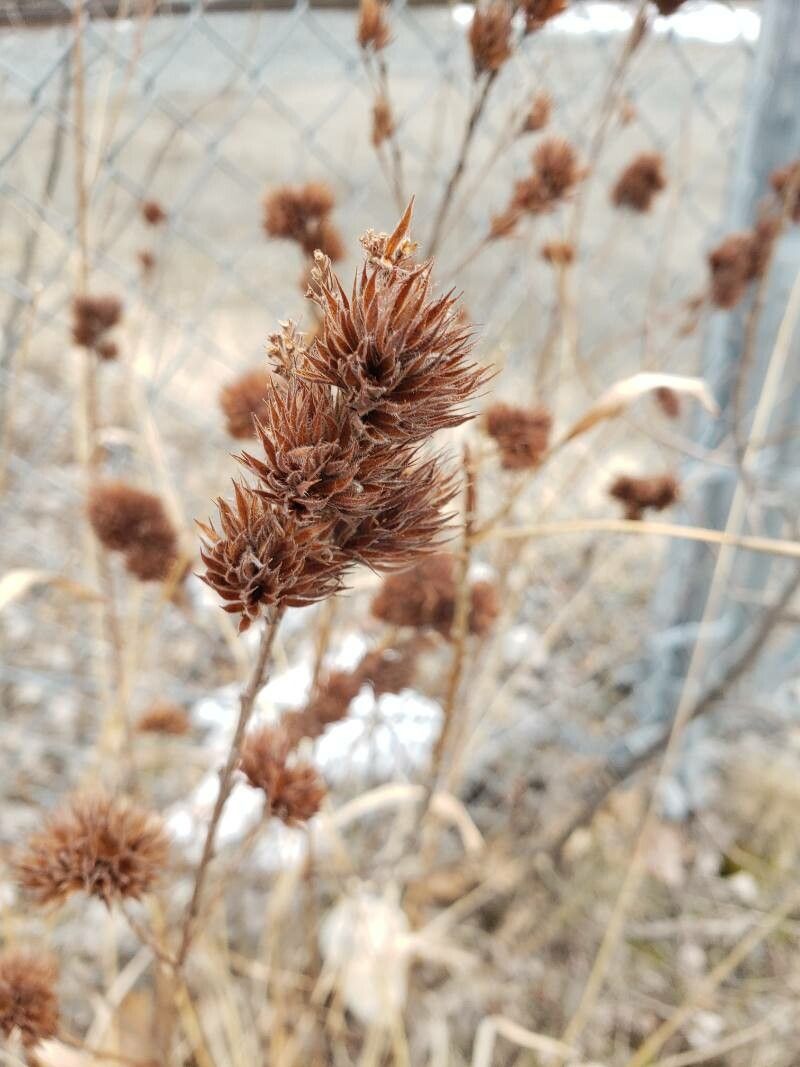
Seed Collection and Preparation: Collect ripe seed pods in late summer or early fall when they turn brown and dry. Extract the seeds and store them in a cool, dry place until you’re ready to sow.
Breaking Dormancy (Stratification): Roundhead lespedeza seeds have a natural dormancy that needs to be broken before they can germinate. You can achieve this through cold stratification: either sow seeds directly in the garden in the fall for natural stratification over winter, or mimic this process by placing the seeds in a moist paper towel inside a sealed plastic bag in the refrigerator for 6-8 weeks.
Sowing Time: Sow the stratified seeds indoors 6-8 weeks before the last expected frost, or direct sow them outdoors after the danger of frost has passed.
Planting Depth: Sow the seeds about ¼ inch deep in a well-draining seed starting mix. Mist the soil gently and keep it consistently moist but not waterlogged.
Light and Warmth: Provide the seeds with bright, indirect light and a warm temperature around 70-75°F (21-24°C).
Germination: Germination may take several weeks. Once the seedlings have developed a couple of sets of true leaves, thin them out to give the strongest ones adequate space to grow.
- Transplanting: Harden off the seedlings gradually before transplanting them outdoors after the last frost. Choose a sunny location with well-drained soil.
Division: Multiplying Your Floral Abundance
For a quicker and easier method, division is an excellent option, particularly for established plants.
Timing is Key: The best time to divide roundhead lespedeza is in early spring when new growth begins to emerge.
Divide and Conquer: Carefully dig up the entire plant, ensuring you get as much of the root system as possible. Using a sharp, clean knife or spade, divide the plant into smaller sections, each containing a healthy amount of roots and shoots.
- Replanting: Replant the divisions immediately in prepared planting holes that are the same depth as they were growing previously. Water them thoroughly and keep the soil consistently moist until they are established.
By following these propagation techniques, you’ll be well on your way to cultivating a thriving patch of roundhead lespedeza in your garden. Its elegant beauty, drought tolerance, and ability to attract pollinators make it a rewarding and low-maintenance addition to any landscape.