
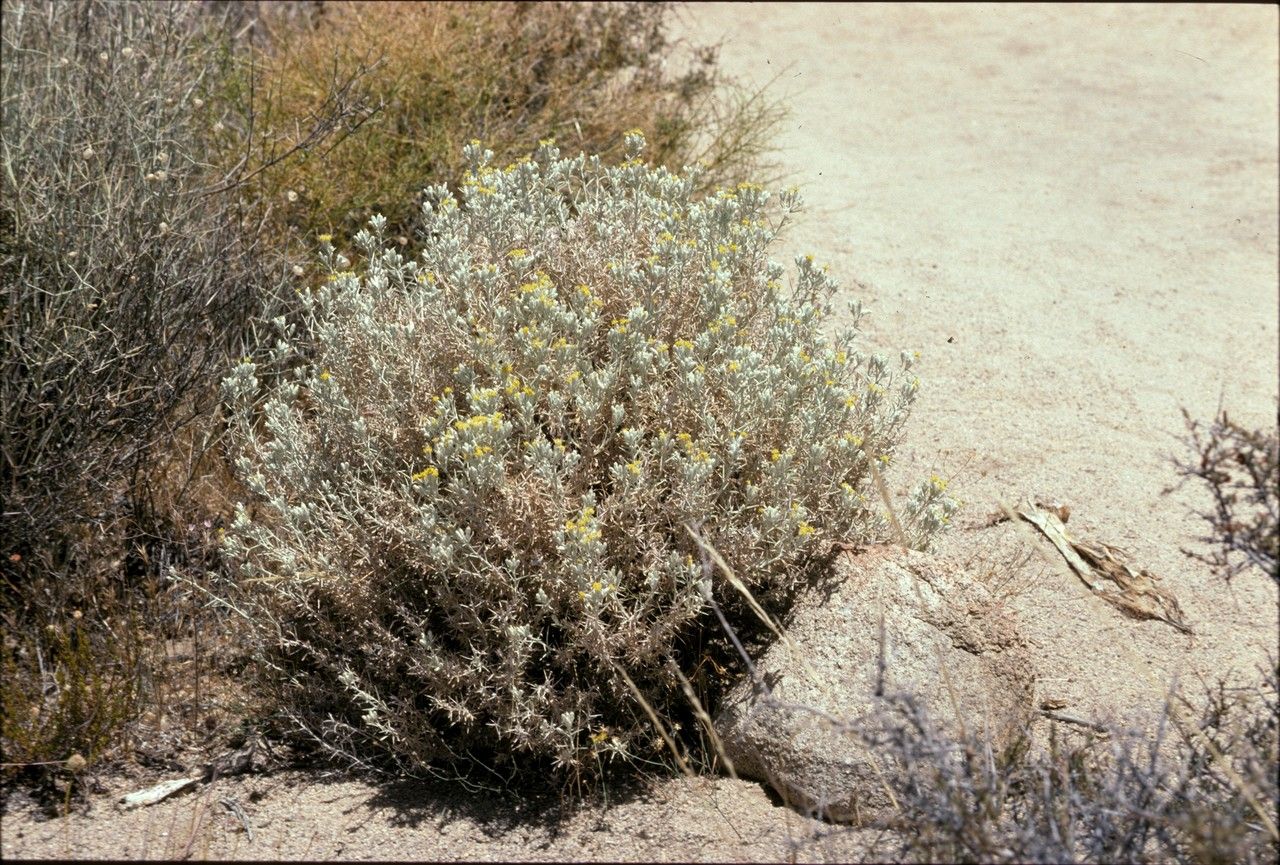
Taming the Desert Horsebrush: A Guide to Propagating Tetradymia axillaris
Tetradymia axillaris, commonly known as the longspine horsebrush, is a fascinating plant that thrives in the arid landscapes of the American West. With its unique, silvery foliage and spiky demeanor, this desert dweller adds a touch of rugged beauty to any xeriscape or drought-tolerant garden.
While finding Tetradymia axillaris in nurseries can be a rare stroke of luck, propagating this hardy plant is surprisingly achievable. This guide will equip you with the knowledge to grow your own longspine horsebrush and introduce this captivating plant into your garden.
Two Routes to Rooting: Seeds and Cuttings
Tetradymia axillaris can be propagated through two primary methods: seeds and cuttings. Each approach has its own set of advantages and challenges.
1. Starting from Seed: A Test of Patience
- Gathering Seeds: Harvest seeds from mature plants in late summer or early fall. Look for fluffy, white seed heads that indicate ripeness.
- Breaking Dormancy: Like many desert plants, longspine horsebrush seeds exhibit dormancy. You can break this dormancy by cold stratification. Simply store the seeds in moist sand or paper towels in your refrigerator for 4-6 weeks before planting.
- Sowing the Seeds: Plant seeds in a well-draining seed-starting mix. Keep the soil consistently moist but not waterlogged.
- Patience is Key: Germination can take anywhere from a few weeks to several months, so don’t be discouraged if you don’t see sprouts immediately.
2. Cutting to the Chase: Propagating from Stem Cuttings
- Timing is Everything: Take cuttings in the early morning during the spring or early summer when the plant is actively growing.
- Choosing the Right Cuttings: Select healthy, non-flowering stems that are about 4-6 inches long.
- Prepping the Cuttings: Remove the lower leaves to expose the nodes, the points where new roots will develop.
- Encouraging Root Growth: Dip the cut ends in rooting hormone to encourage faster and more successful rooting.
- Planting the Cuttings: Plant in a well-draining potting mix and keep it consistently moist. Place the cuttings in a warm, bright location but out of direct sunlight.
Nurturing Your Newly Rooted Plants
- Watering Wisely: Once your seeds have germinated or your cuttings have rooted, it’s crucial to water deeply but infrequently. Mimic the natural rainfall patterns of their native habitat.
- Sunshine is Key: Place your plants in a location that receives at least six hours of sunlight per day.
- Transplanting with Care: Once your seedlings or cuttings have developed a strong root system, you can transplant them into larger pots or directly into your garden.
Enjoying the Fruits of Your Labor
Propagating Tetradymia axillaris might require some patience and dedication, but seeing this resilient desert plant thrive in your garden makes it all worthwhile. With its striking appearance and ability to withstand harsh conditions, longspine horsebrush is a unique and rewarding addition to any water-wise landscape.