
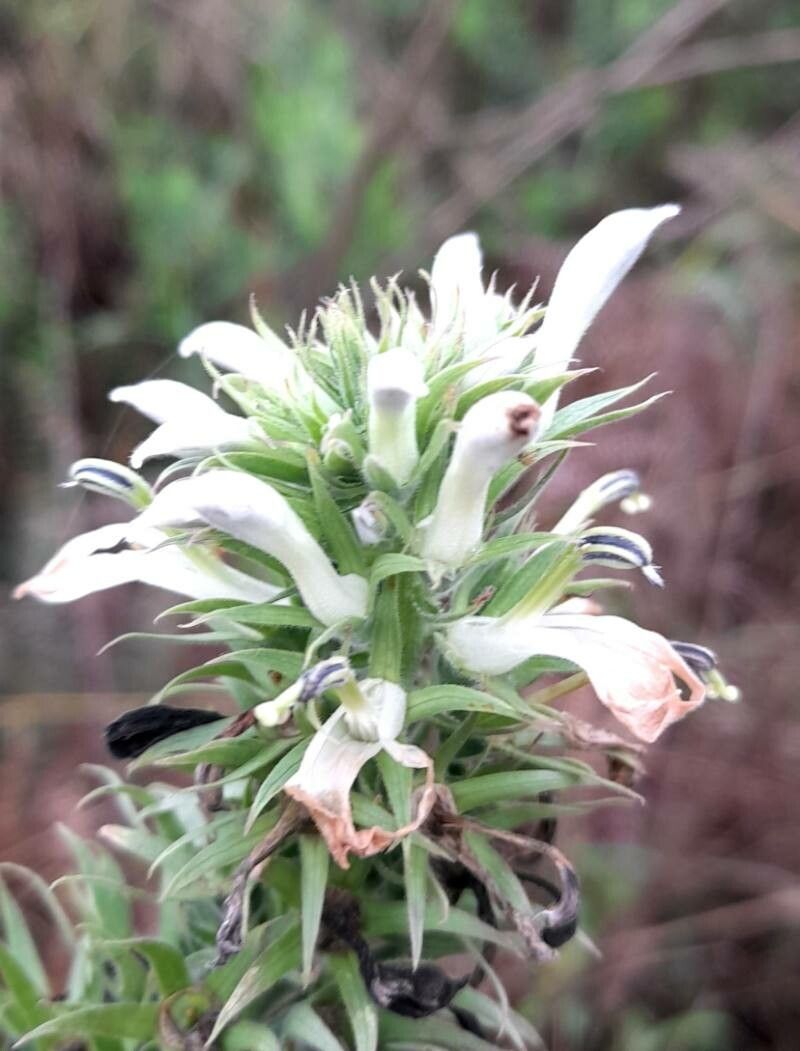
Spreading the Sapphire Sparkle: A Guide to Propagating Lobelia hassleri
Lobelia hassleri, with its captivating sky-blue blossoms and emerald foliage, is a showstopper in any garden. But did you know that sharing this beauty is easier than you think? Propagating Lobelia hassleri, also known as the Brazilian lobelia, is a rewarding experience for gardeners of all levels. Let’s explore the two main methods:
1. Seed Starting: Unveiling the Magic Within
Starting Lobelia hassleri from seed is like nurturing tiny jewels into vibrant life. Here’s how:
- Timing is Key: Sow seeds indoors 6-8 weeks before the last expected frost. This provides a head start before transplanting outside.
- Sowing the Seeds: Use a seed starting mix and lightly press the fine seeds onto the surface. Don’t bury them; light aids germination.
- Creating the Ideal Environment: Moisture and warmth are crucial. Mist the soil regularly and use a heat mat to maintain a temperature of 70-75°F (21-24°C).
- Light, Light, Baby: Once seedlings emerge (usually within 10-14 days), provide bright, indirect light. A sunny windowsill or grow lights work wonders.
- Transplanting Time: When all danger of frost has passed and seedlings are a few inches tall, harden them off gradually. Then, transplant outdoors, spacing them 12-18 inches apart.
2. Cuttings: Sharing is Multiplying the Beauty
Taking cuttings from established Lobelia hassleri plants is another successful propagation technique.
- When to Take Cuttings: The best time is in late spring or early summer when the plant is actively growing.
- Selecting the Perfect Cuttings: Choose healthy, non-flowering stems that are about 3-4 inches long.
- Preparing the Cuttings: Remove the lower leaves to expose the nodes (where roots will grow). Dip the cut end in rooting hormone (optional but beneficial).
- Planting the Cuttings: Insert the cuttings into a well-draining potting mix or a mixture of perlite and peat moss.
- Creating a Humid Haven: Cover the cuttings loosely with a plastic bag or humidity dome to retain moisture.
- Patience is a Virtue: It may take several weeks for roots to develop. Once new growth appears, you can gradually acclimate the cuttings to normal conditions before potting them up individually.
Tips for Success:
- Well-Draining Soil: Lobelia hassleri thrives in soil that drains well. Amend heavy clay soils with organic matter.
- Light Matters: Choose a location that receives morning sun and afternoon shade or dappled sunlight throughout the day.
- Water Wisely: Keep the soil consistently moist but not soggy. Allow the top inch of soil to dry out between waterings.
- Deadheading for Continuous Blooms: Regularly remove spent blooms to encourage more flower production and maintain a tidy appearance.
Propagating Lobelia hassleri is not just about multiplying your plants; it’s about extending the joy of their sapphire blooms, sharing their beauty with fellow gardeners, and deepening your connection with these captivating plants. So, grab your gardening tools and embark on this rewarding journey – soon, you’ll have a flourishing collection of these blue beauties to brighten your garden!