
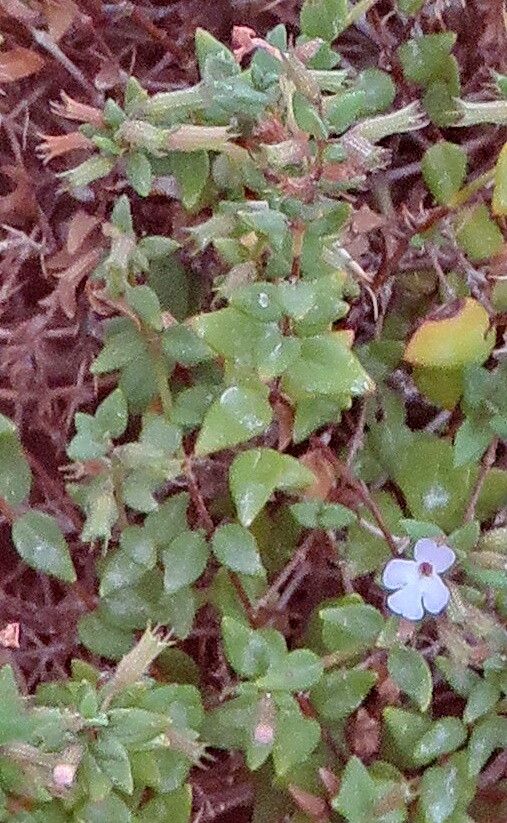
Unlocking the Secrets: Propagating the Delicate Beauty of Micromeria filiformis
Micromeria filiformis, with its delicate, thread-like leaves and charming tiny flowers, is a captivating addition to any garden. This Mediterranean native, while relatively unknown, offers a unique texture and subtle beauty that can elevate rock gardens, hanging baskets, and even spill gracefully over walls. Intrigued? The good news is that propagating Micromeria filiformis, while requiring a gentle touch, is achievable even for budding gardeners. Let’s explore the methods that will have you nurturing new life into this charming plant.
Two Paths to Propagation:
Micromeria filiformis readily propagates through two primary methods: cuttings and seeds.
1. The Art of Cuttings:
- Timing is Key: Spring and early fall provide the ideal conditions for successful cuttings. The plant is actively growing during these periods, increasing the chances of root development.
- Selecting the Cuttings: Choose healthy, non-flowering stems for your cuttings. Aim for a length of 3-4 inches, making a clean cut just below a leaf node (where the leaf joins the stem).
- Preparing the Cuttings: Remove the lower leaves from the cutting, leaving only 2-3 leaves at the top. This focuses the plant’s energy on root development. Dipping the cut end in rooting hormone powder can further encourage root growth, though it’s not strictly necessary.
- Planting the Cuttings: Prepare a pot with a well-draining potting mix specifically designed for cuttings or seedlings. Insert the cutting gently into the soil, burying at least one leaf node.
- Nurturing Root Development: Water the cuttings lightly and cover the pot with a clear plastic bag or use a propagator to create a humid environment. Place the pot in a warm, bright location out of direct sunlight.
- Transplanting: After 4-6 weeks, gently tug on the cutting. Resistance indicates root development. Once roots are established, you can transplant the new Micromeria filiformis plants into individual pots or your garden.
2. The Magic of Seeds:
- Sourcing Seeds: Micromeria filiformis seeds can be a bit harder to find than cuttings, but specialist nurseries or online retailers are good sources.
- Sowing the Seeds: Start seeds indoors in late winter or early spring. Use a seed starting mix and sow the seeds thinly on the surface, pressing them in gently.
- Germination Conditions: Similar to cuttings, a warm, humid environment encourages germination. Cover the seed tray with a clear lid or plastic wrap and place it in a bright location, out of direct sunlight.
- Transplanting Seedlings: Once the seedlings have developed a few sets of true leaves, you can carefully transplant them into individual pots or your garden.
Essential Care Tips:
- Sunlight: Micromeria filiformis thrives in full sun to partial shade.
- Soil: Well-drained soil is crucial to prevent root rot.
- Watering: Water moderately, allowing the soil to dry out slightly between waterings.
- Pruning: Regular light pruning will help maintain a bushy and compact shape.
Propagating your own Micromeria filiformis is a rewarding experience, allowing you to expand your collection of this unique and beautiful plant. With a little patience and care, you can enjoy its delicate texture and subtle charm in your garden for years to come.