
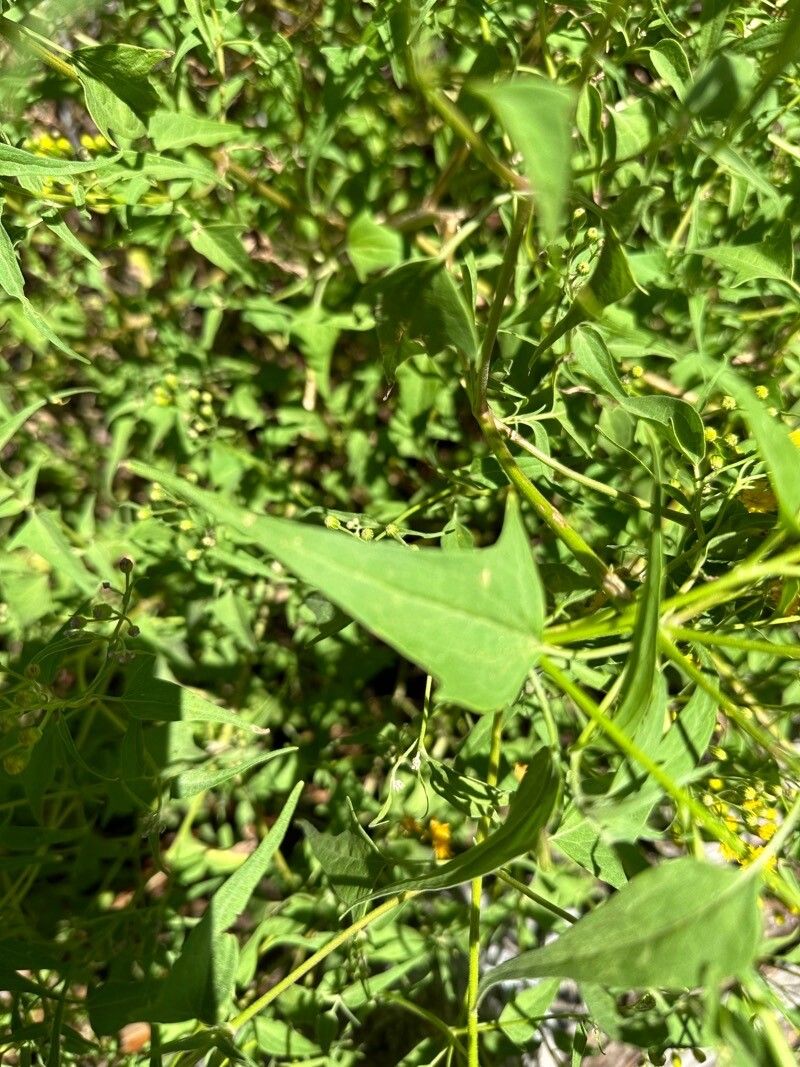
Unlocking the Secrets of Pericome Caudata Propagation: A Guide to Growing This Charming Plant
The Pericome caudata, also known as the “tailed pericome” or “Mexican aster,” captivates with its delicate, daisy-like blooms and feathery foliage. Native to Mexico and parts of the southwestern United States, this charming plant thrives in sunny locations and adds a touch of wildflower beauty to gardens and landscapes. While readily available in nurseries, propagating your own Pericome caudata offers a rewarding experience and allows you to expand your collection with ease.
This comprehensive guide will walk you through the different methods of propagating Pericome caudata, ensuring successful growth and an abundance of these enchanting flowers.
Methods for Propagating Pericome Caudata
1. Growing from Seed:
This is the most common and straightforward method. Pericome caudata seeds are readily available online or in specialized nurseries. Here’s how to grow them:
- Timing is key: Sow seeds indoors 6-8 weeks before the last expected frost in your area, or directly outdoors after the danger of frost has passed.
- Prepare the seedbed: Use a well-draining seed starting mix and moisten it evenly.
- Sowing: Sprinkle seeds on the surface and lightly press them down. They need light to germinate, so avoid burying them.
- Provide warmth and humidity: Cover the tray with a plastic dome or wrap to create a greenhouse effect. Place it in a warm, bright location out of direct sunlight.
- Germination: Seeds typically sprout within 14-21 days.
- Thinning and Transplanting: Once seedlings develop a few sets of true leaves, thin them out to provide adequate spacing. When they’re large enough, transplant them into individual pots or directly into the garden.
2. Propagation from Cuttings:
This method allows you to create a genetically identical plant using a stem cutting from a mature Pericome caudata:
- Best time: Take cuttings in late spring or early summer when the plant is actively growing.
- Selecting the cutting: Choose a healthy, non-flowering stem about 4-6 inches long.
- Preparing the cutting: Remove the lower leaves, leaving only a few at the top. Dip the cut end in rooting hormone (optional but recommended).
- Planting the cutting: Insert the cutting into a pot filled with a well-draining potting mix.
- Creating a humid environment: Cover the pot with a plastic bag or place it in a propagator to maintain high humidity.
- Rooting: It may take several weeks for roots to develop. Check for resistance when gently tugging on the cutting; this indicates successful rooting.
Transplanting: Once rooted, carefully transplant into individual pots or directly outdoors.
3. Division:
Pericome caudata can also be propagated by division, though this is less common than the previous methods. This method is best done in spring or fall.
- Digging up the plant: Carefully dig up the entire clump, ensuring you don’t damage the roots.
- Dividing the clump: Gently separate the plant into smaller sections, making sure each section has a good amount of roots and shoots.
- Replanting: Replant the divisions in well-prepared soil, spacing them appropriately.
Tips for Success:
- Well-draining soil: Pericome caudata thrives in well-draining soil. Amend heavy clay soil with sand or compost to improve drainage.
- Sun Exposure: These plants love sunshine. Choose a location that receives at least 6 hours of direct sunlight daily for optimal growth and flowering.
- Watering: Keep the soil evenly moist but avoid overwatering, which can lead to root rot.
By following these methods and tips, you can successfully propagate your own Pericome caudata and enjoy the beauty of these delightful wildflowers for seasons to come. So, roll up your sleeves, and let the propagation journey begin!