
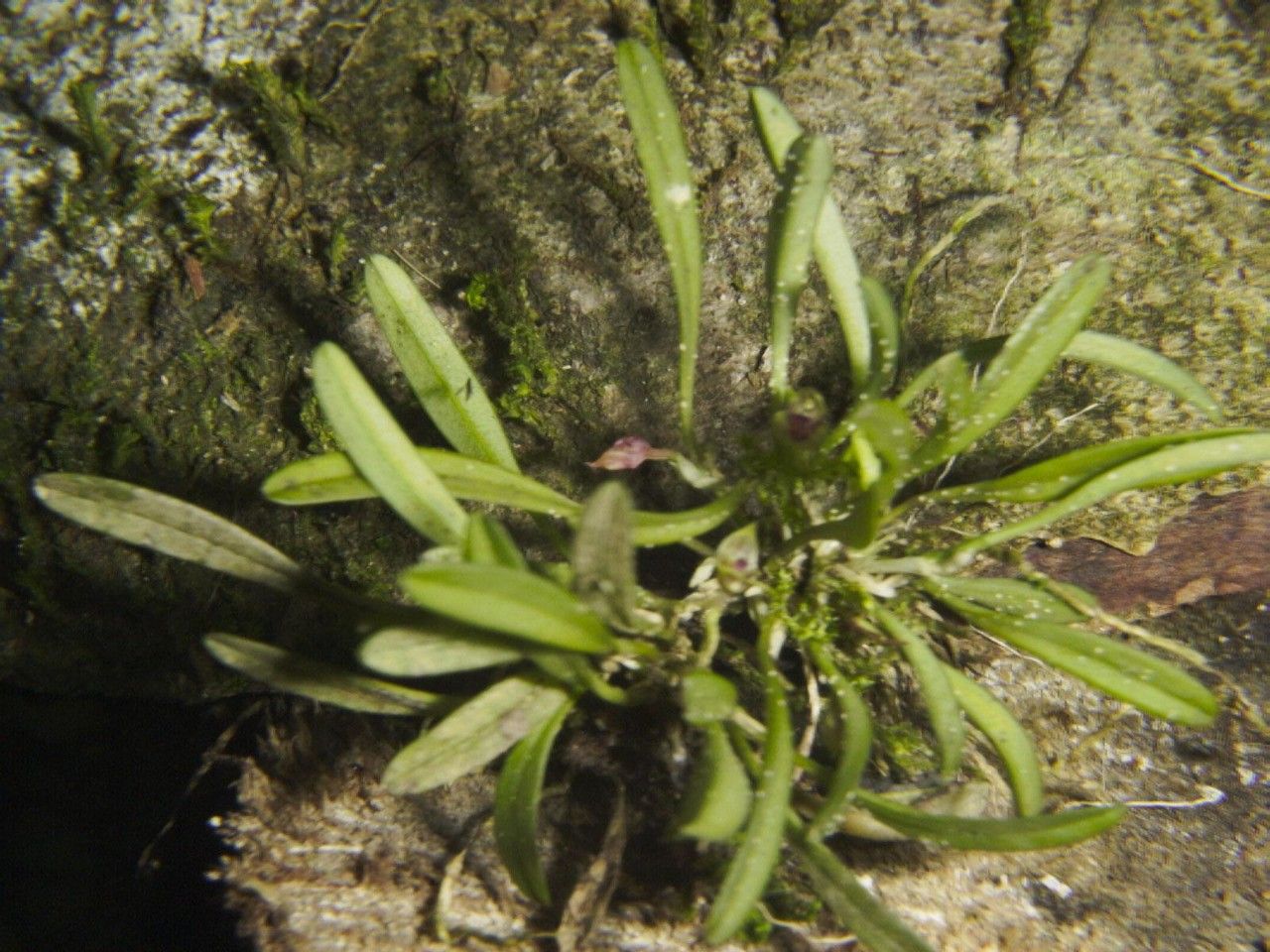
Unlocking the Secrets: Propagating the Miniature Marvel, Dryadella odontostele
The Dryadella odontostele, with its charming miniature blooms and intriguing growth habit, is a true gem for any orchid enthusiast. This epiphytic orchid, hailing from the damp, shady forests of South America, captivates with its unique beauty. But have you ever wondered how to propagate this little marvel and expand your collection? Let’s delve into the fascinating world of Dryadella odontostele propagation.
Two Primary Pathways: Division and Seed Propagation
Much like other orchid species, Dryadella odontostele can be propagated through two primary methods: division and seed propagation. While division offers a relatively straightforward approach, seed propagation presents a more challenging yet ultimately rewarding path.
1. The Art of Division: Simplest for the Budding Propagator
Division reigns supreme as the easiest and most common method for propagating Dryadella odontostele. Here’s how to master this technique:
- Timing is Key: Opt for division during the plant’s active growing season, ideally in spring or early summer, when the orchid exhibits robust growth.
- Gentle Separation: Carefully remove the orchid from its pot and inspect the rhizome (the horizontal stem). Identify sections with at least 3-4 healthy pseudobulbs (the small, bulb-like structures). Gently separate these sections using a sterilized, sharp tool.
- Creating New Beginnings: Plant each division into individual pots filled with a well-draining orchid mix. Ensure the base of the pseudobulbs rests slightly above the potting mix level.
- Nurturing New Growth: Place the newly potted divisions in a warm, humid environment with bright, indirect light. Water sparingly until new growth emerges, signifying successful establishment.
2. Seed Propagation: A Journey for the Patient Enthusiast
Propagating Dryadella odontostele from seed presents a more demanding route requiring patience, sterile conditions, and specialized knowledge. Here’s a glimpse into this intricate process:
- Obtaining Seeds: Orchid seeds are notoriously tiny and lack endosperm (nutritive tissue). Therefore, obtaining viable seeds often necessitates purchasing from reputable suppliers.
- Sterile Flask Culture: Seeds are sown on a sterile nutrient-rich medium within a sealed flask, replicating the symbiotic relationship orchids share with specific fungi in nature.
- Patience is Paramount: Germination can take several weeks to months. Once seedlings develop leaves and roots, they’re carefully transferred to progressively larger flasks with gradual environmental acclimatization.
- The Final Transition: After a year or more in flask culture, the seedlings are ready for individual pots and a regular orchid-growing environment.
Understanding the Challenges and Rewards
Seed propagation, though challenging, offers a unique reward: the potential to witness the entire life cycle of your Dryadella odontostele. However, this method requires specialized equipment and a deeper understanding of orchid physiology and sterile techniques.
Regardless of the path you embark on, propagating your Dryadella odontostele delivers immense satisfaction. Not only will you expand your orchid collection but also deepen your connection with these captivating miniature wonders. So, are you ready to embark on your own propagation journey?