
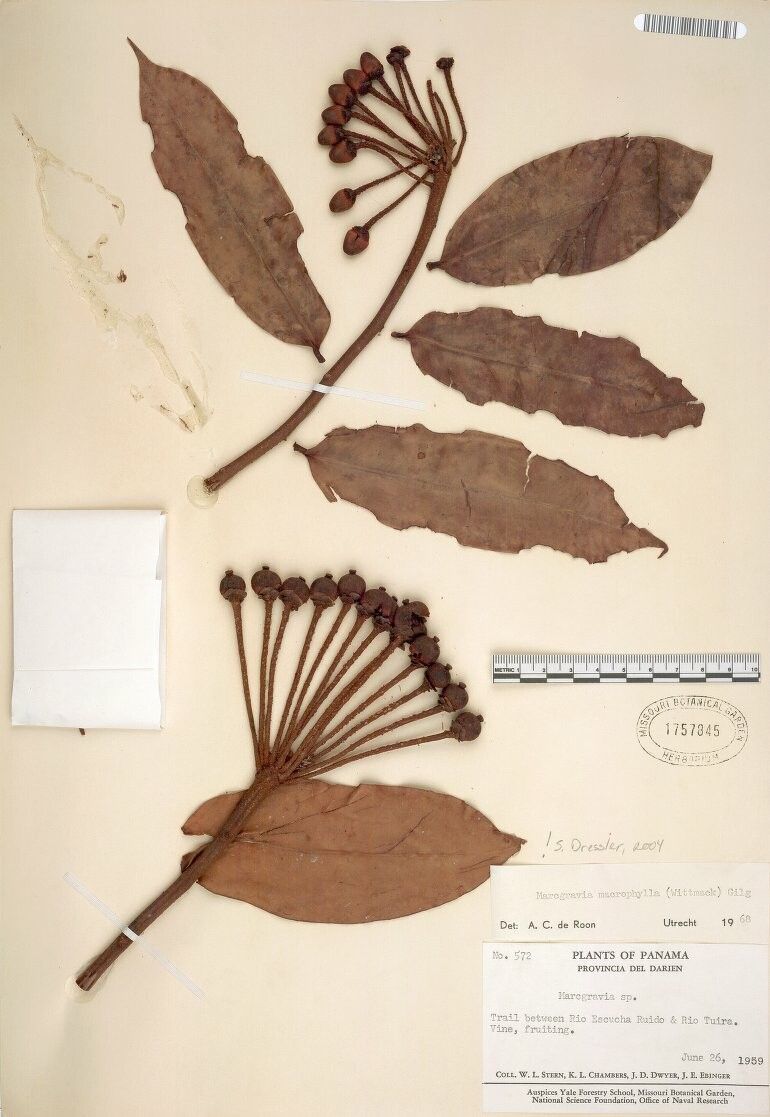
Unlocking the Secrets of the Shingle Vine: Propagating Marcgravia crenata
The Marcgravia crenata, more affectionately known as the Shingle Vine, is captivating plant enthusiasts with its unique foliage and cascading growth habit. Native to the rainforests of Central and South America, this exotic vine is a stunning addition to any plant lover’s collection, but obtaining one can be tricky.
While finding Marcgravia crenata at your local nursery might prove difficult, propagating your own is a rewarding endeavor. Though this tropical beauty might seem intimidating to reproduce, fear not! With a little patience and the right techniques, you too can welcome this botanical marvel into your home.
Two Paths to Propagation Success
There are two primary methods to propagate Marcgravia crenata:
1. Stem Cuttings: This method, favored for its relative simplicity, involves carefully snipping a healthy section of the vine and encouraging it to develop roots.
- The Snip: Select a healthy stem with at least two nodes (small bumps where leaves emerge). Using clean, sharp scissors or pruning shears, make a cut just below a node.
- Hormone Boost (Optional): While not strictly necessary, dipping the cut end in rooting hormone powder can increase the chances of successful rooting.
- The Medium: Prepare a well-draining rooting medium – a mix of peat moss and perlite works well. Moisten the medium and insert the cutting, ensuring at least one node is buried.
- Humidity is Key: Marcgravia crenata thrives in humid environments. Cover the pot with a clear plastic bag or a humidity dome to create a mini greenhouse.
- Bright, Indirect Light: Place your cutting in a well-lit area but avoid direct sunlight, which can scorch the delicate leaves.
- Patience, Young Padawan: Rooting can take 4-8 weeks. You’ll know it’s working when you see new growth.
2. Air Layering: This slightly more advanced technique involves encouraging root development on a stem while it’s still attached to the mother plant.
- Choose Your Spot: Select a healthy stem and locate a node.
- Make the Cut: Carefully make a small, upward-facing cut just below the node, about halfway through the stem. You can insert a toothpick to prevent it from closing.
- Wrap it Up: Apply a generous layer of moist sphagnum moss around the cut area, ensuring it’s tightly packed. Wrap the moss with plastic wrap and secure it with tape.
- Keep it Humid: Mist the moss regularly to maintain moisture.
- Patience, Again: Air layering can take several weeks, even months. Once you see roots developing through the plastic, you can cut the stem below the newly formed root system and pot your new plant.
Nurturing Your New Shingle Vine
Congratulations on successfully propagating your Marcgravia crenata! Now, provide it with the care it needs to flourish:
- Bright, Indirect Light: Just like during propagation, your new plant enjoys bright, indirect light.
- Warmth and Humidity: Aim for temperatures between 65-85°F (18-29°C) and provide ample humidity. Regular misting or a humidifier can help recreate their rainforest home.
- Well-Draining Soil: Use a light and airy potting mix that drains well to prevent root rot.
- Watering Wisely: Water thoroughly when the top inch of soil feels dry. Marcgravia crenata prefers consistently moist but not soggy soil.
Propagating Marcgravia crenata is a fulfilling journey, allowing you to create more of this captivating plant. So, embrace your inner plant parent, be patient, and soon you’ll be enjoying the cascading beauty of the Shingle Vine in your own home.