
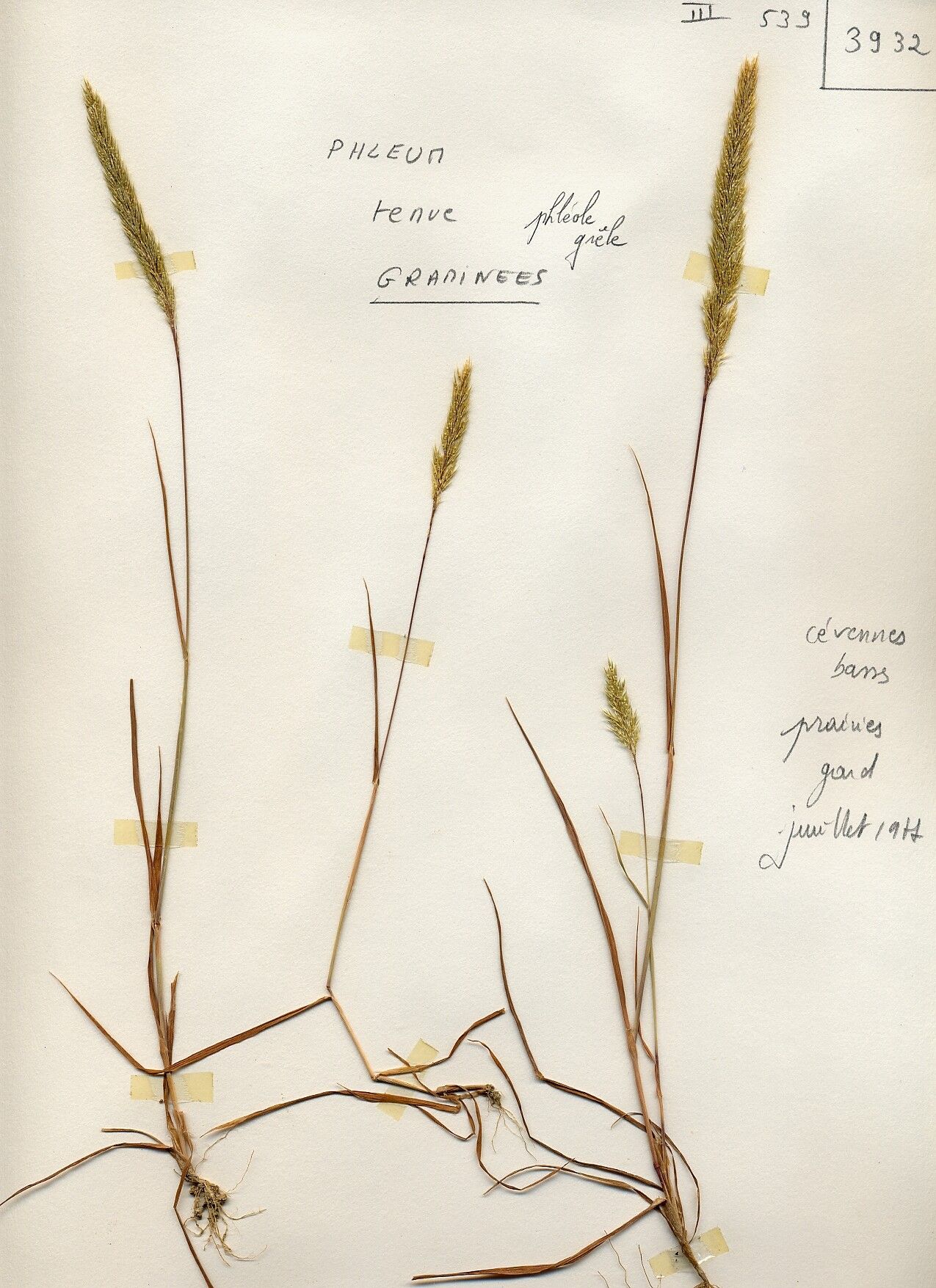
Taming the Tiny Tussocks: A Guide to Propagating Phleum subulatum
Phleum subulatum, also known as the Algerian Timothy or Foxtail Fescue, is a delightful little grass with a big presence. Its delicate, wispy seedheads and fine foliage add movement and texture to the landscape, making it a favorite among gardeners looking for something unique. But while its appearance may be delicate, this Mediterranean native is surprisingly tough, thriving in dry, sunny conditions.
If you’re smitten with Phleum subulatum and want to spread its charm throughout your garden, propagation is the answer! Here’s a comprehensive guide to help you successfully grow more of this captivating grass:
Two Routes to Success: Seed vs. Division
Phleum subulatum can be propagated through two primary methods:
- Seed: Sowing seeds offers a cost-effective way to obtain a large number of plants. Look for seeds from reputable online retailers or nurseries specializing in ornamental grasses.
- Division: For a quicker and more reliable approach, division is the way to go. This method involves splitting up established clumps to create new plants.
The Seed Route: Nurturing Tiny Beginnings
- Timing is Key: The ideal time to sow Phleum subulatum seeds is in the spring after the last frost.
- Sowing the Seeds: Use a well-draining seed starting mix and sow the tiny seeds on the surface, pressing them in gently.
- Light and Warmth: Ensure the seeds receive bright, indirect light and maintain a consistent temperature of around 65-70°F (18-21°C).
- Moisture Matters: Keep the seed starting mix consistently moist but not waterlogged.
- Transplanting Time: Once the seedlings develop a strong root system and have a couple of true leaves, they can be transplanted into individual pots or directly into the garden.
The Division Route: Multiplying Your Bounty
- When to Divide: Spring or early fall is the best time to divide established clumps of Phleum subulatum.
- Divide and Conquer: Carefully dig out the entire clump using a garden fork, ensuring you get a good root mass. Gently separate the clump into smaller sections, each containing a healthy portion of roots and shoots.
- Replanting: Prepare the planting site with well-draining soil. Replant the divided sections at the same depth they were originally growing, spacing them about 12-18 inches apart.
- Water Well: Water the newly planted divisions generously to help them establish themselves.
Care Tips for Thriving Phleum subulatum
- Sunlight is Key: This grass thrives in full sun, requiring at least 6 hours of direct sunlight per day.
- Well-Drained Soil is a Must: Phleum subulatum prefers well-drained soil and is highly tolerant of drought conditions once established.
- Water Wisely: Water deeply but infrequently, allowing the soil to dry out slightly between waterings.
- Maintenance Made Easy: This low-maintenance grass requires minimal fertilization and benefits from a light combing or shearing in late winter to remove dead foliage.
With a little patience and care, you’ll be rewarded with stunning displays of Phleum subulatum adding a touch of airy elegance to your garden. Happy propagating!