
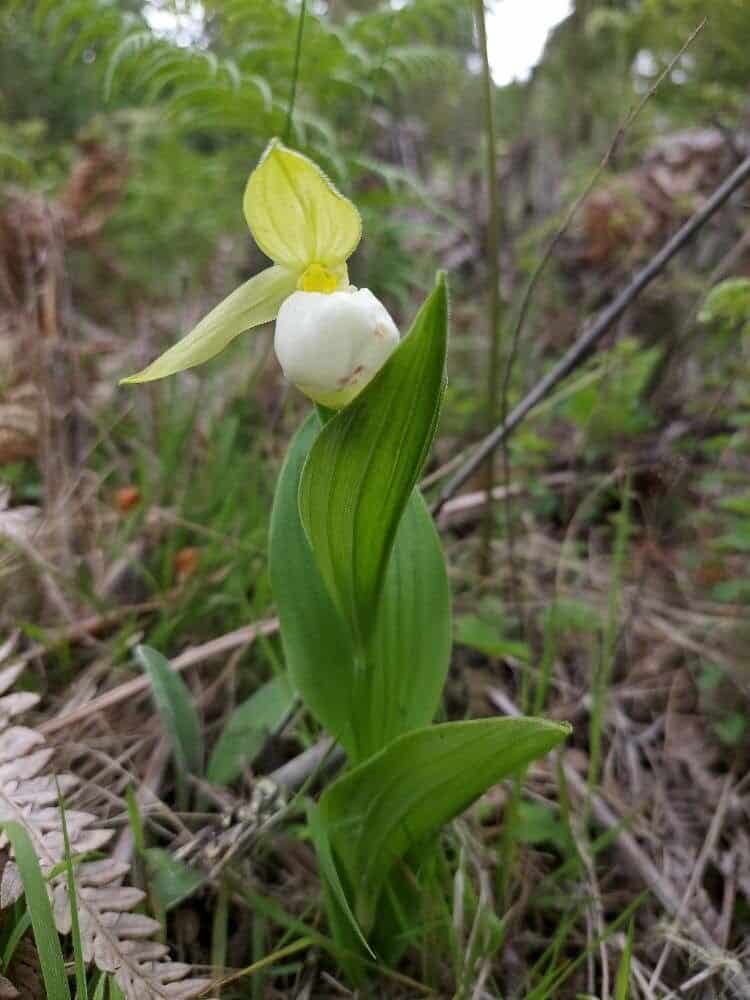
Unveiling the Secrets of Propagation: How to Multiply Your Cypripedium cordigerum
The enchanting world of orchids holds an allure for plant enthusiasts, and the Cypripedium cordigerum, commonly known as the Heart-Bearing Cypripedium, is no exception. This captivating terrestrial orchid, with its alluring heart-shaped lip and intricate markings, can be a prized possession for any collector. But its exquisite beauty is often coupled with a finicky nature, making propagation a rewarding challenge.
This article will delve into the captivating world of Cypripedium cordigerum propagation, exploring the secrets to multiplying this enchanting orchid for years of blooming beauty.
Understanding the Cypripedium Cordigerum
Native to the woodlands of the Himalayas, this orchid thrives in cool, shaded environments. Unlike many popular orchids that are epiphytes, the Cypripedium cordigerum is terrestrial, meaning it grows in the ground. This unique characteristic dictates specific needs for successful propagation.
Methods of Propagation: Division vs. Seed
1. Division: The Simplest Approach
Dividing established clumps is the most common and often most successful method for propagating Cypripedium cordigerum. Here’s how:
- Timing is key: Ideally, divide your orchid during its dormant season, typically in late summer or early fall after flowering.
- Gentle hands: Carefully unearth the entire clump, being mindful of the delicate root system.
- Sharp tools: Use a sterilized, sharp knife or shears to divide the clump into sections, ensuring each section has at least 3-4 healthy shoots and a robust root system.
- Replanting: Repot the divisions in well-draining soil specifically formulated for terrestrial orchids. Ensure the growing point is at or slightly below the soil surface.
2. Seed Propagation: A Labor of Love
Propagating Cypripedium cordigerum from seed is significantly more challenging, requiring specialized knowledge and patience.
- Symbiotic relationship: Cypripedium orchids rely on a symbiotic relationship with specific mycorrhizal fungi for germination.
- Specialized techniques: Seed germination often requires sterile lab conditions and nutrient-rich media.
Due to the complexities involved, seed propagation is best left to experienced growers or professional nurseries.
Caring for Your Propagated Cypripedium Cordigerum
Regardless of the propagation method, providing the right environment is crucial for success.
- Light: Choose a location with dappled shade, mimicking the orchid’s natural forest floor habitat.
- Water: Maintain consistent moisture throughout the growing season, avoiding waterlogged conditions. During dormancy, reduce watering frequency.
- Soil: Well-draining soil rich in organic matter is crucial. A blend of bark chips, perlite, and peat moss is ideal.
- Fertilizer: Use a balanced, diluted orchid fertilizer during the growing season to promote healthy growth.
Patience Is a Virtue
Propagating Cypripedium cordigerum, especially from seed, demands patience. It may take several years for divisions to reach maturity and even longer for seeds to germinate and produce flowers.
However, the reward of witnessing new life emerge from a division or witnessing the first bloom of a seedling is a deeply gratifying experience for any plant enthusiast. By understanding the unique needs of this captivating orchid and following the steps outlined, you can increase your chances of successful propagation and enjoy the beauty of the Cypripedium cordigerum for years to come.