
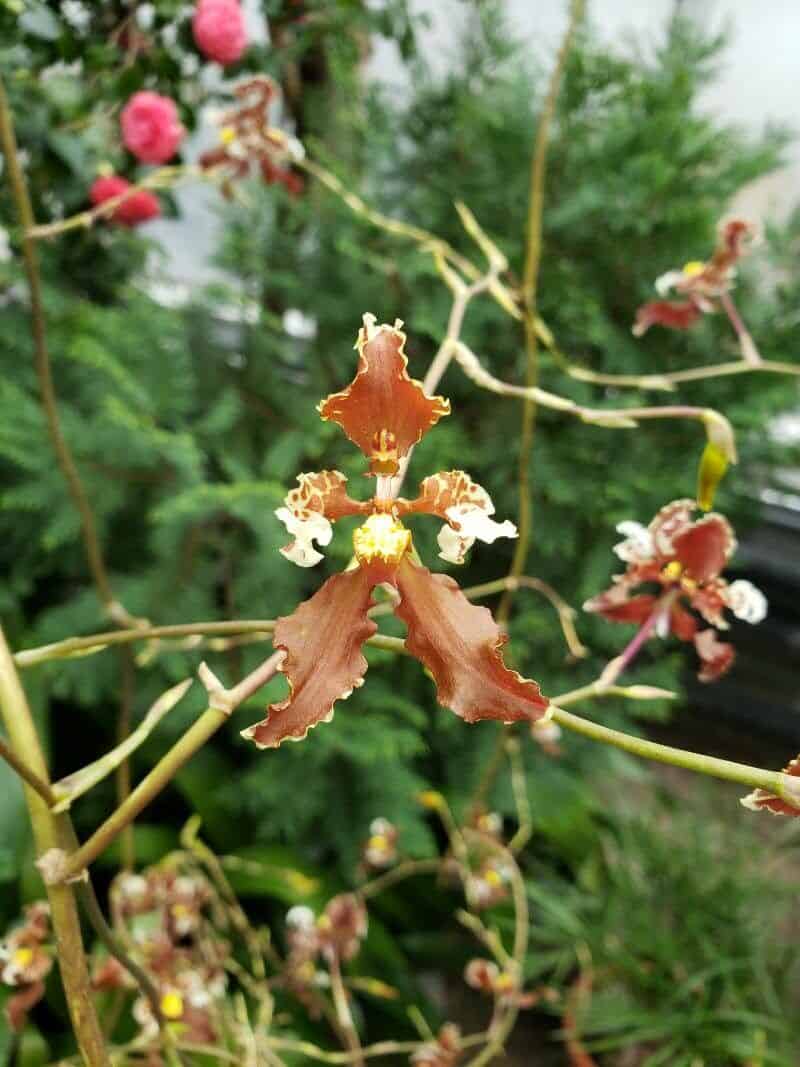
Stripes that Multiply: Propagating the Zebra Orchid (Cyrtochilum zebrinum)
The Zebra Orchid, with its flamboyant stripes and graceful demeanor, is a showstopper in any orchid collection. But did you know that multiplying your striped marvel is an achievable feat, even for those without a green thumb? Let’s dive into the world of Cyrtochilum zebrinum propagation and discover how you can create new plantlets to expand your orchid family or share with fellow enthusiasts.
Understanding the Zebra Orchid
Before we embark on our propagation journey, it’s important to understand the basic growth habit of the Zebra Orchid. Cyrtochilum zebrinum belongs to the Oncidium family, known for their sympodial growth. This means they grow horizontally, producing new shoots (or growths) along a rhizome. Each new growth has the potential to develop into a mature plant, and that’s the key to our propagation success.
Propagation Methods:
While seed propagation is possible, it’s a complex process best left to experienced growers. For the home enthusiast, there are two primary methods for propagating Zebra Orchids:
Division: This method involves separating a mature plant into multiple divisions, each with established roots and growths.
- Timing is Key: Divide your Zebra Orchid during repotting time, ideally in spring when new growth is emerging.
- Tools of the Trade: You’ll need a sterilized cutting tool (like sharp shears or a knife), new orchid potting mix, and appropriately sized pots.
- The Division Process:
- Carefully remove the orchid from its pot and inspect the rhizome.
- Identify sections with at least 3-4 healthy growths and a robust root system.
- Using your sterilized tool, cut the rhizome, ensuring each division has sufficient roots and growths.
- Plant each division in fresh potting mix, ensuring the base of the plant sits slightly above the rim of the pot. Water thoroughly.
Keikis: These are baby orchids that occasionally sprout on the flower spike of a mature plant.
- Identifying a Keiki: Look for small plantlets growing from nodes on the flower spike. They’ll eventually develop leaves and roots of their own.
- Patience is a Virtue: Wait until the keiki has developed at least 3-4 roots, each about 2-3 inches long.
- Separation and Potting: Carefully detach the keiki from the mother plant, ensuring you don’t damage the tender roots. Plant it in your prepared orchid mix, taking care to keep the base of the plant above the soil line.
Post-Propagation Care:
- Light: Provide bright, indirect light for your new divisions or keikis. Avoid direct sunlight, which can scorch their delicate leaves.
- Water: Water thoroughly when the potting mix approaches dryness. Good air circulation is crucial to prevent fungal issues, so make sure the pot allows for proper drainage.
- Humidity: Zebra Orchids appreciate humidity levels around 50-70%. Use a pebble tray, humidifier, or group them with other humidity-loving plants.
- Fertilizer: Use a diluted orchid fertilizer every 2-3 weeks during the growing season (spring and summer) to encourage healthy growth.
Propagating your Zebra Orchid is a rewarding experience that allows you to expand your collection and share the joy of this captivating species. With a bit of patience and the right know-how, you’ll be witnessing stripes multiplying in your orchid haven in no time.