
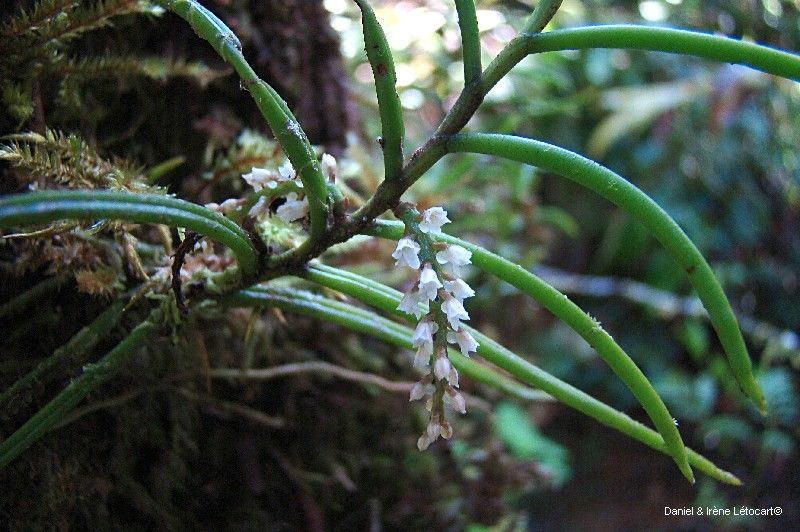
Miniature Marvels: Unlocking the Secrets of Propagating Schoenorchis micrantha
Schoenorchis micrantha! The name itself sounds like a spell from a fairytale, and one look at this miniature orchid might just convince you magic is real. With dainty, often fragrant blooms bursting from compact plants, it’s no wonder enthusiasts are captivated. But if, like many, you’re wondering how to multiply this botanical treasure, you’ve come to the right place. Let’s unlock the secrets of propagating Schoenorchis micrantha!
Understanding the Fundamentals
Before diving into techniques, it’s crucial to understand the plant’s growth habits. Schoenorchis micrantha, belonging to the Vanda alliance, is a monopodial epiphyte. This means it grows upwards from a single stem and naturally attaches itself to trees, deriving moisture and nutrients from the air and rain. This knowledge is key to replicating its ideal growing conditions for successful propagation.
Two Popular Methods: Unveiling the Options
Two primary methods dominate the world of Schoenorchis micrantha propagation:
1. Keiki Division:
- The What: "Keiki" is Hawaiian for "baby," and aptly describes the plantlets that Schoenorchis micrantha often produces along its stems. These miniature replicas come equipped with their own roots and leaves, making them ideal candidates for propagation.
- The How: Once a keiki develops a healthy root system (at least an inch long), it’s ready for separation. Using a sterile, sharp tool, carefully cut the plantlet away from the mother plant, ensuring you include a section of stem. Pot the keiki in a well-draining medium, like sphagnum moss or fine bark, and provide high humidity and bright, indirect light.
- The Pros: This method offers a high success rate and yields mature, flowering-sized plants relatively faster.
- The Cons: Keiki production is not always guaranteed, and it might take time for them to develop sufficiently.
2. Seed Propagation:
- The What: This method involves germinating seeds from the orchid, mimicking nature’s process.
- The How: This method is more complex and requires sterile conditions. Seeds are sown on a specialized nutrient medium in a sealed container. They need consistent warmth, humidity, and bright, indirect light to germinate and develop.
- The Pros: Seed propagation has the potential to yield multiple plants and is particularly rewarding for enthusiasts looking for a challenge.
- The Cons: This method is significantly more time-consuming, technically demanding, and requires specialized equipment and knowledge to succeed.
Pro Tips for Success: Nurturing Your New Additions:
Regardless of the method chosen, these tips will ensure your propagation journey is fruitful:
- Patience is key: While exciting, propagation takes time. Don’t be discouraged if you don’t see results overnight.
- Maintain hygiene: Use sterile tools and pots to prevent contamination and disease.
- Replicate the environment: Provide bright, indirect light, high humidity (70-80%), and good air circulation to mimic the plant’s natural habitat.
- Water wisely: Schoenorchis micrantha prefers frequent watering when actively growing. Allow the medium to dry slightly between waterings to prevent root rot.
A Final Word:
Propagating Schoenorchis micrantha is a rewarding endeavor for any plant enthusiast. With a touch of patience, the right knowledge, and a dash of TLC, you can multiply these miniature marvels and enjoy their exquisite beauty for years to come.