
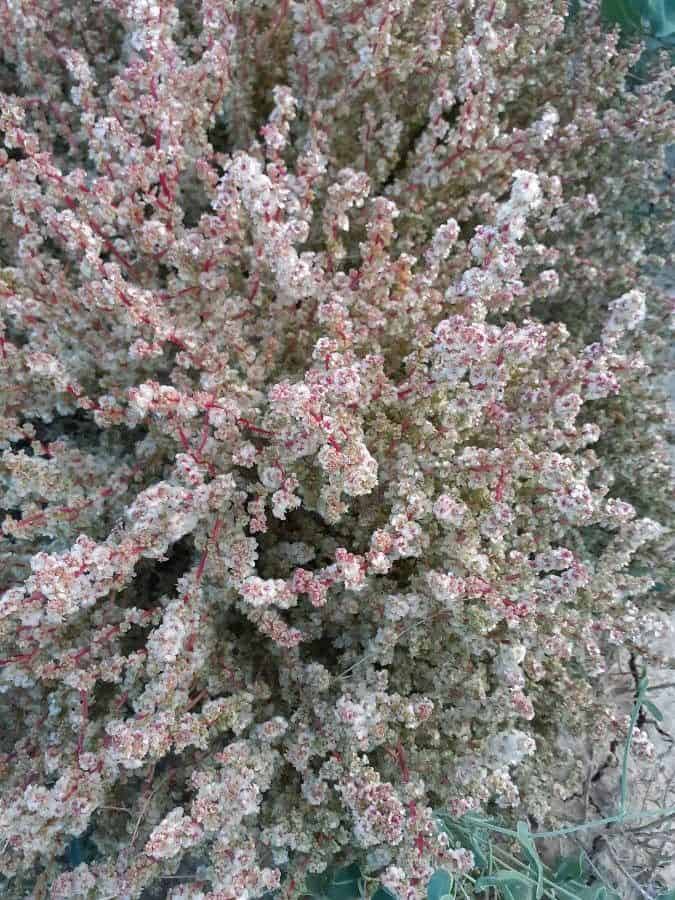
Unlocking the Secrets of Saltwort: A Guide to Propagating Halogeton Sativus
Halogeton sativus, more commonly known as saltwort, might not be a household name like roses or tomatoes, but this hardy plant holds a fascinating story and a few surprising uses. Native to the salty soils of Central Asia, saltwort is a survivor, thriving in conditions that would make other plants wither. If you’re looking for a unique addition to your garden, a project for a dry, salty patch, or simply intrigued by this resilient species, then understanding its propagation is key.
Seeds of Success: The Primary Route
Saltwort primarily reproduces through seeds, making this method the most common and successful way to propagate it. Here’s a breakdown of the process:
- Seed Collection: Saltwort produces small, inconspicuous flowers that eventually develop into seed pods. Collect these pods when they turn brown and dry, indicating seed maturity.
- Seed Preparation (Optional): While not strictly necessary, soaking the seeds in lukewarm water for 24 hours before sowing can help soften the outer shell and potentially speed up germination.
- Sowing Time: The ideal time to sow saltwort seeds is in the spring, after the last frost. This timing mimics their natural growing cycle and provides the warmth needed for germination.
- Sowing Method: Direct sowing is the preferred method for saltwort. Choose a location with well-drained soil and ample sunlight. Lightly rake the soil surface and scatter the seeds evenly. Cover them with a thin layer of soil, approximately ¼ inch deep.
- Watering: After sowing, water the area gently but thoroughly. While saltwort is drought-tolerant, consistent moisture is crucial during the germination stage.
- Thinning: If multiple seedlings emerge close together, thin them out to allow adequate spacing for growth. A spacing of 6-12 inches between plants is generally recommended.
Beyond Seeds: Exploring Other Options
While seed propagation is the most common method for saltwort, you might be surprised to know that cuttings can also be successful:
- Cuttings: Take cuttings from healthy, mature saltwort plants during the spring or early summer. Select stems that are approximately 4-6 inches long and remove the lower leaves. Dip the cut end in a rooting hormone (optional but beneficial) and plant them in a well-draining potting mix. Keep the cuttings consistently moist and provide bright, indirect light. Root development can take several weeks.
Essential Care Tips
Saltwort is renowned for its resilience, but a little care goes a long way in ensuring healthy growth:
- Sunlight: Saltwort thrives in full sun, requiring at least 6 hours of direct sunlight per day for optimal growth.
- Soil: Well-draining soil is crucial. While tolerant of salty conditions, saltwort won’t do well in waterlogged soil.
- Watering: Once established, saltwort is remarkably drought-tolerant. Water deeply but infrequently, allowing the soil to dry out between waterings.
From Garden to Table: Harvesting Saltwort
Beyond its ornamental value, saltwort offers edible leaves and seeds. The leaves, with their slightly salty flavor, can be eaten raw in salads or cooked like spinach. The seeds, rich in protein and oil, can be ground into flour or pressed for their oil.
Propagating saltwort can be a rewarding experience, allowing you to cultivate a truly unique and resilient plant. So, why not give it a try? You might just be surprised by the versatility and wonder of this often-overlooked species.