
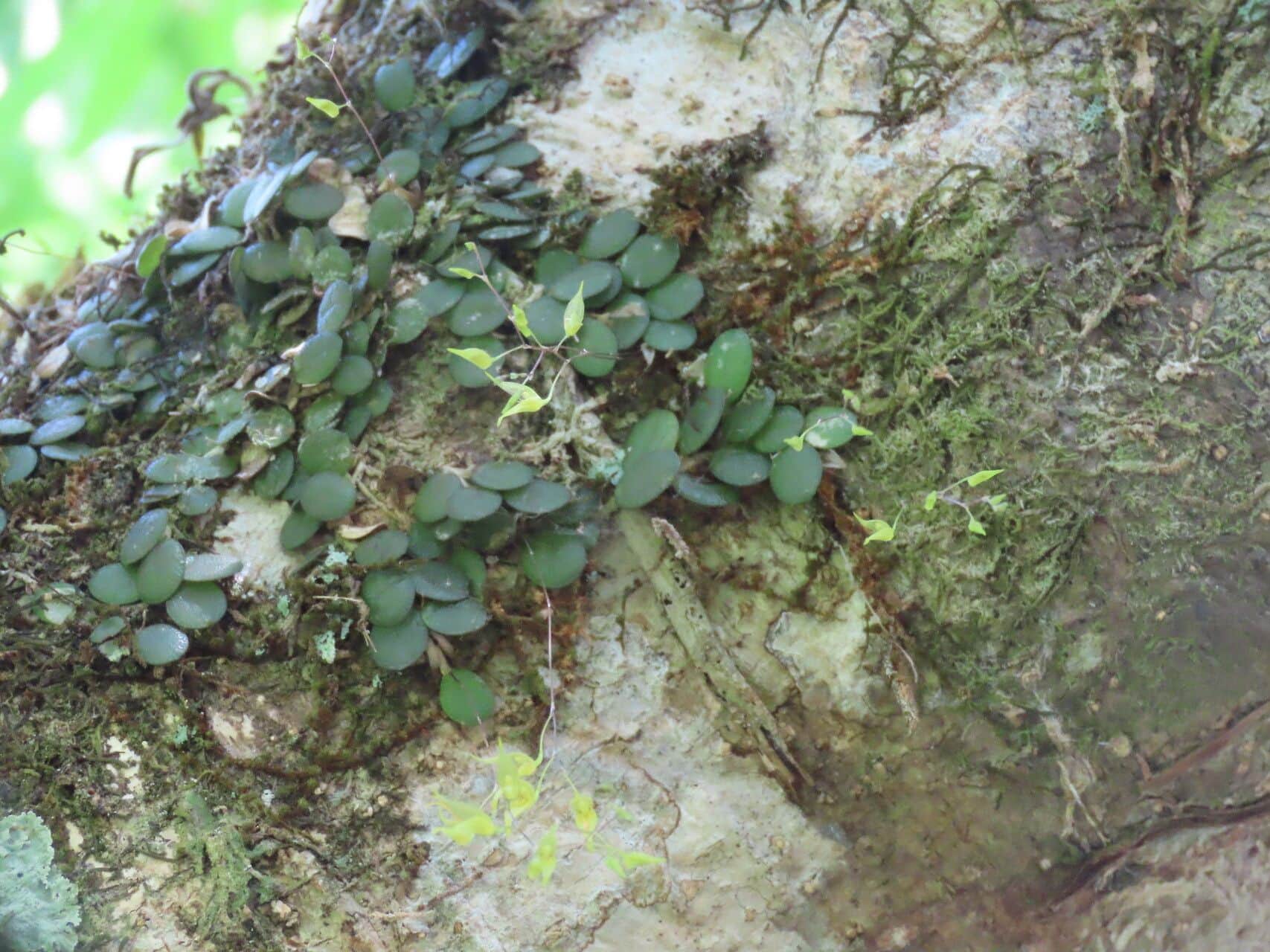
Tiny Orchid, Big Impact: Mastering Specklinia microphylla Propagation
The Specklinia microphylla, with its delicate blooms and diminutive stature, is a miniature marvel in the orchid world. This miniature epiphyte, native to the cloud forests of Central and South America, captivates enthusiasts with its intricate beauty. While its care might seem daunting at first, propagating this tiny treasure is a rewarding endeavor even for orchid newcomers. Let’s delve into the world of Specklinia microphylla propagation and unlock the secrets to multiplying your miniature orchid collection.
Understanding Specklinia microphylla’s Growth Habit:
Before delving into propagation, it’s crucial to understand how this orchid naturally multiplies. Specklinia microphylla primarily propagates through vegetative division, meaning it produces new plantlets along its rhizome – the horizontal stem from which roots and shoots grow. Over time, these plantlets develop their own root systems and can be separated to create new, independent orchids.
Propagation Techniques:
Division: The most common and arguably easiest way to propagate Specklinia microphylla is through division.
- Timing is Key: The ideal time for division is during spring or early summer, when the plant exhibits active growth.
- Division Process: Carefully remove the orchid from its pot and inspect the rhizome. Look for sections with at least 3-4 healthy pseudobulbs (the thickened stem segments) and a well-established root system. Using a sterilized cutting tool, carefully separate the rhizome, ensuring each division has sufficient roots and pseudobulbs.
- Potting the Divisions: Plant each division in a well-draining orchid mix, ensuring the base of the pseudobulbs is level with the potting medium’s surface. Water sparingly until new growth emerges.
- Back Bulb Propagation: While slightly more challenging than division, back bulb propagation offers another route for multiplying your Specklinia microphylla.
- Identifying Back Bulbs: Back bulbs are older, leafless pseudobulbs on the rhizome. While they may appear dormant, they contain the potential for new growth.
- The Process: Carefully remove a healthy back bulb from the main plant. Place it on a bed of slightly moist sphagnum moss and enclose it in a plastic bag or container to increase humidity. Place the setup in a warm, brightly lit area, away from direct sunlight.
- Patience is Key: Back bulb propagation requires patience, as it may take several weeks or even months for new growth to emerge. Once new roots and shoots develop, the plantlet can be potted like a mature division.
Essential Care for Successful Propagation:
- Maintain High Humidity: Specklinia microphylla thrives in humid environments. Mist the plants regularly or use a humidifier to provide the necessary moisture.
- Provide Bright, Indirect Light: While this orchid enjoys bright light, it’s essential to protect it from direct sunlight, which can scorch its delicate leaves.
- Ensure Good Air Circulation: Proper air circulation is crucial to prevent fungal diseases. Avoid stagnant air by providing adequate ventilation.
- Water Wisely: Water the orchids thoroughly when the potting mix approaches dryness. Avoid overwatering, as it can lead to root rot.
Propagating Specklinia microphylla might seem intricate, but with the right knowledge and a dash of patience, even beginners can successfully multiply their collection. Embrace the joy of watching new life emerge from these miniature orchids and revel in the satisfaction of expanding your own captivating miniature rainforest.