
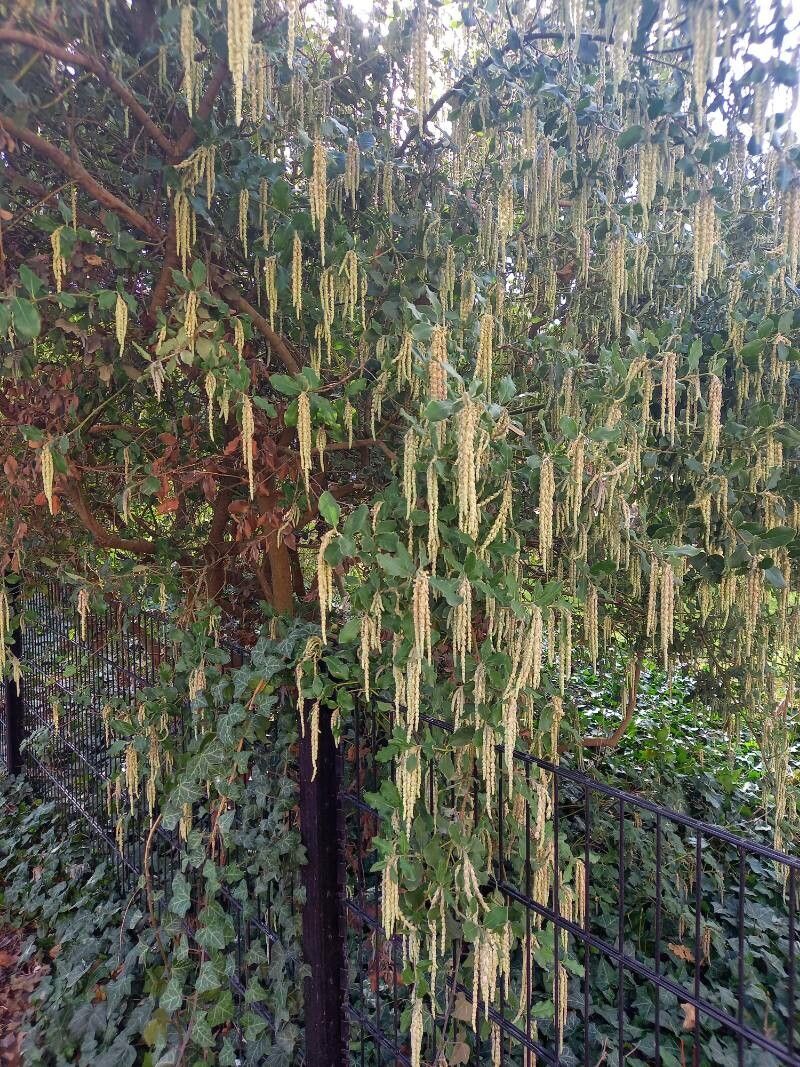
Unleashing the Beauty of Silk Tassel: A Guide to Propagating Garrya Elliptica
The Garrya elliptica, more affectionately known as the silk tassel or coast silktassel, is a visual delight. This evergreen shrub, native to the West Coast of North America, is admired for its leathery, dark green leaves and its show-stopping, cascading catkins that emerge in the winter months. These silvery-green tassels, often reaching a foot in length, resemble silken threads and give the plant an ethereal, almost whimsical quality.
While admired for its beauty in gardens, many enthusiasts find themselves wondering how to propagate this captivating shrub. Thankfully, cultivating new Garrya elliptica plants is achievable for gardeners of all skill levels. Let’s delve into the two most common propagation methods:
1. Propagation by Cuttings:
This method, favored for its relative ease and speed, involves taking cuttings from a healthy, established Garrya elliptica plant.
- Timing is Key: The ideal time for taking cuttings is late summer to early fall. During this period, the plant’s growth hormones are most active, promoting successful rooting.
- Selecting the Cuttings: Choose healthy, non-flowering shoots that are firm and woody at the base but still green towards the tip. Aim for cuttings around 4-6 inches long.
- Preparing the Cuttings: Remove the leaves from the bottom third of the cutting. Make a clean cut just below a leaf node (the point where a leaf emerges from the stem), as this is where new roots will develop.
- Encouraging Root Growth: Dip the base of the cutting in rooting hormone powder to accelerate the process. Then, plant the cutting in a pot filled with a well-draining potting mix, ensuring the bottom third is submerged.
- Creating a Humid Environment: Cover the pot with a clear plastic bag or a propagation dome to create a humid environment that fosters root growth. Ensure adequate ventilation to prevent fungal issues.
- Patience is a Virtue: Place the pot in a bright location, but out of direct sunlight. Keep the potting mix consistently moist but not waterlogged. Root development can take several weeks to a couple of months.
2. Propagation by Seed:
While a bit more time-consuming, propagating Garrya elliptica by seed allows for a greater sense of accomplishment and the potential for unique variations in the resulting plants.
- Seed Collection: Collect ripe catkins from the plant in late winter or early spring. Allow them to dry thoroughly in a paper bag. Once dry, gently crush the catkins to release the tiny, brown seeds.
- Cold Stratification: Garrya elliptica seeds benefit from a period of cold stratification to mimic natural winter conditions and encourage germination. Store the seeds in a sealed bag with slightly damp vermiculite or sand in the refrigerator for 6-8 weeks.
- Sowing the Seeds: After stratification, sow the seeds in a seed tray or individual pots filled with a seed-starting mix. Lightly press the seeds into the surface and cover them with a thin layer of the mix.
- Providing the Right Environment: Place the tray or pots in a bright location, out of direct sunlight. Keep the soil consistently moist but not waterlogged.
- Germination Patience: Germination can be erratic and may take several weeks to a few months. Once the seedlings have developed a few sets of true leaves, they can be transplanted into individual pots.
No matter which method you choose, propagating your own Garrya elliptica is a rewarding endeavor. With a little patience and care, you can enjoy the captivating beauty of this stunning shrub for years to come, and maybe even share the joy by gifting new plants to fellow plant enthusiasts.