
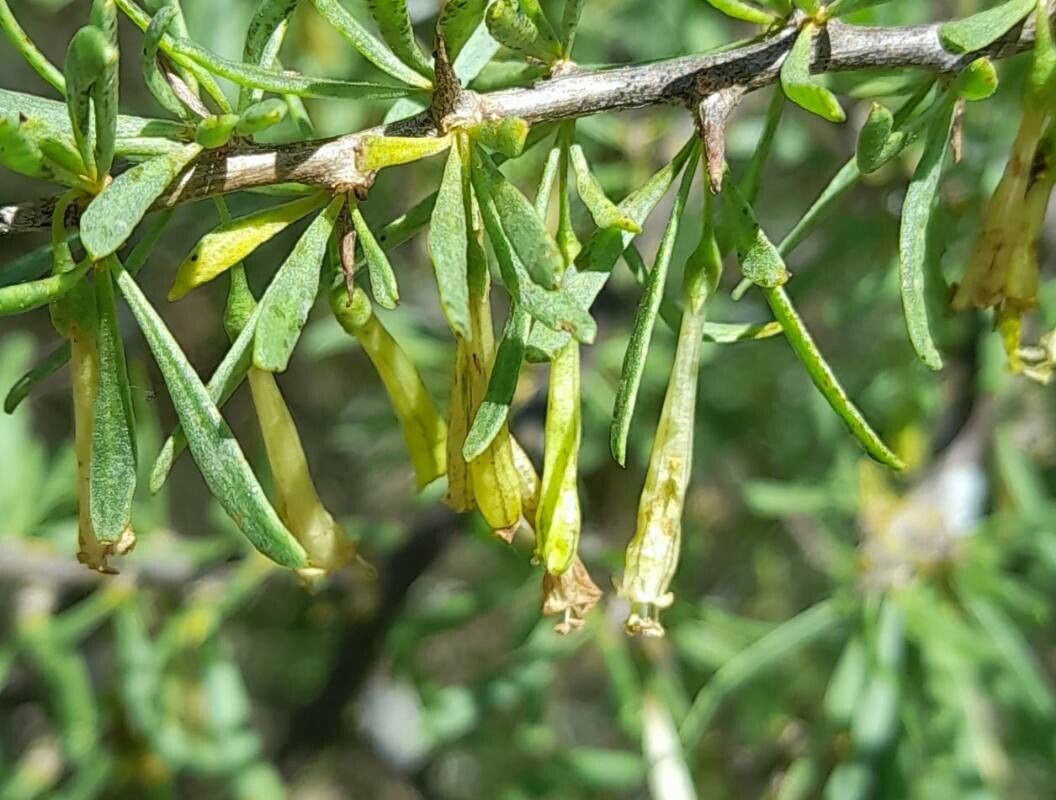
Beyond the Berries: How to Propagate the Desert Delight, Lycium gilliesianum
The Lycium gilliesianum, also known as the desert thorn or boxthorn, is a delightful contradiction. Found in the arid landscapes of the Southwestern US and Mexico, this resilient shrub bursts forth with vibrant purple flowers in spring, followed by an abundance of bright red, edible berries.
While its drought tolerance and striking beauty make it an attractive addition to xeriscapes and wildlife gardens, knowing how to propagate Lycium gilliesianum can open up a world of possibilities for sharing this desert gem with fellow gardeners and plant enthusiasts.
Two Roads to Propagation: Seeds and Cuttings
This versatile plant readily propagates through both seeds and cuttings, offering options for gardeners of all experience levels:
1. Starting from Seed:
- Harvesting: Collect ripe berries from established plants, ideally those showcasing robust growth and abundant fruit production. Extract the small, brown seeds from the fleshy fruit, rinsing off any pulp to prevent mold growth during storage.
- Sowing: Sow seeds directly into well-draining soil in spring or fall. While optional, cold stratification (exposing seeds to a period of cold temperatures) by refrigerating them for a few weeks can mimic natural conditions and improve germination rates.
- Care: Lightly cover the seeds with soil, water gently, and ensure they receive ample sunlight. Seedlings should emerge within a few weeks.
- Tip: While desert-adapted, young plants benefit from consistent moisture until established. Regularly check the soil and water when dry, gradually reducing frequency as the plant matures.
2. The Cutting Edge:
- Timing is Key: Take hardwood cuttings in late fall or winter when the plant is dormant, or softwood cuttings from new growth in spring.
- The Right Cut: Select healthy, disease-free stems. Hardwood cuttings should be 6-8 inches long, while softwood cuttings can be shorter at 4-6 inches. Remove any leaves from the bottom inch of the cutting to prevent rot.
- Rooting Hormone Power: Dip the cut end in rooting hormone (available at most garden centers) to encourage root development.
- Planting: Insert cuttings into a well-draining potting mix, burying the bottom node (where the leaves were removed).
- Nurturing the Roots: Water well and provide indirect sunlight. Enclose the pot in a plastic bag to create a humid environment.
- Signs of Success: New growth indicates successful rooting! Gradually acclimate the cuttings to outdoor conditions before transplanting them into the garden.
Sharing the Bounty: Benefits of Propagating Lycium gilliesianum
Propagating your own plants, especially drought-tolerant species like Lycium gilliesianum, boasts numerous advantages:
- Cost-effective: Starting plants from seed or cuttings is significantly cheaper than purchasing established ones.
- Conservation: Sharing seeds and cuttings with fellow gardeners helps preserve and diversify the genetic pool of this valuable species.
- Sense of Accomplishment: Witnessing new life sprout from a seed or cutting fosters a deeper connection to the plant world and brings immense satisfaction.
Propagating Lycium gilliesianum is a rewarding experience for both novice and seasoned gardeners. It’s a chance to understand the plant’s life cycle, expand your gardening skills, and play an active role in spreading the beauty and resilience of this desert gem. So, go ahead, collect those berries or take a cutting, and embark on the adventure of propagation!