
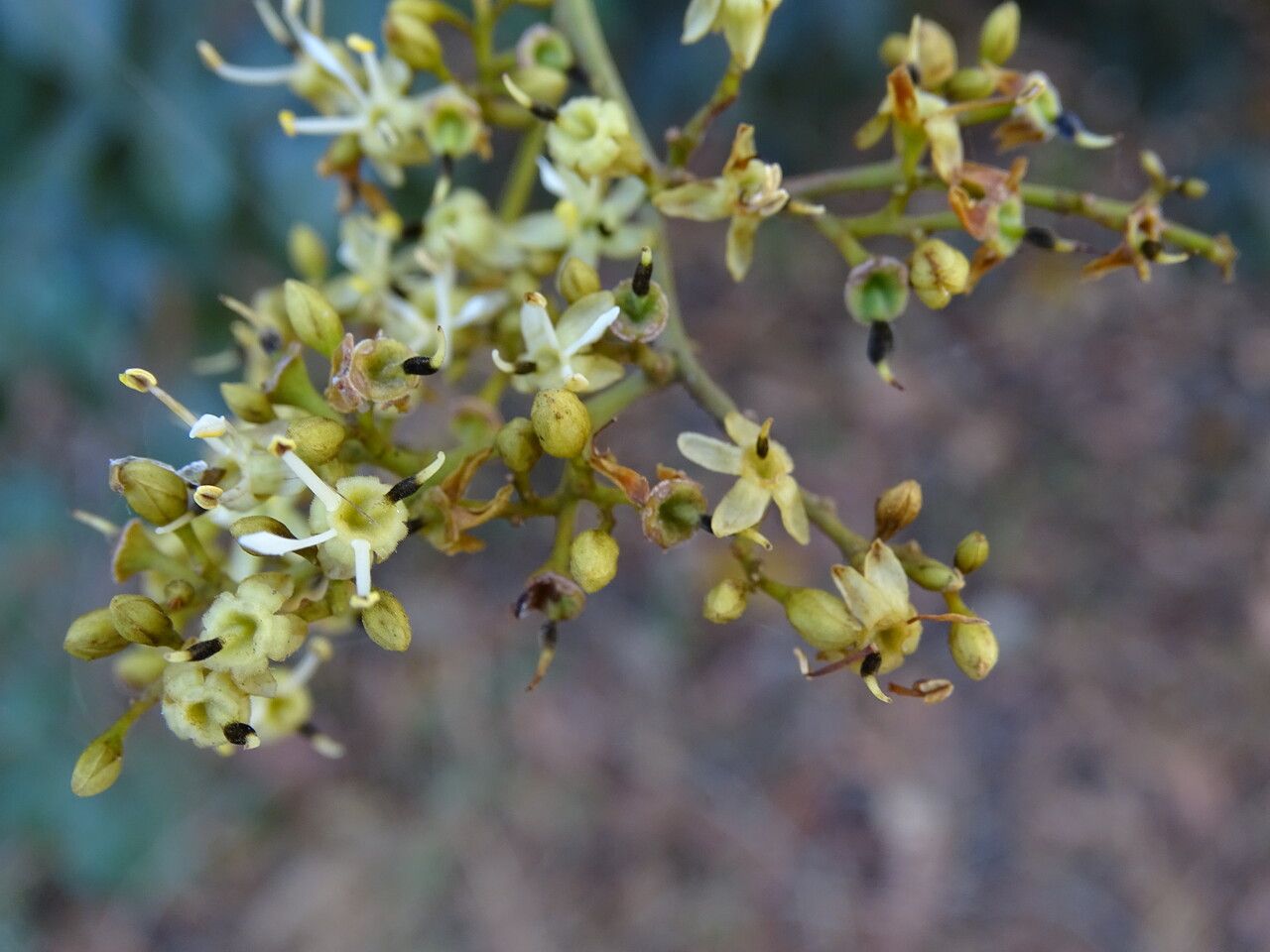
Cracking the Code: How to Propagate Velvet Tamarind (Dialium guineense)
The Velvet Tamarind, known scientifically as Dialium guineense, is a treasure trove of taste and tradition. This West African native boasts velvety brown pods containing a sweet, tangy pulp that’s a beloved snack and flavoring agent. But have you ever thought about growing your own Velvet Tamarind tree? While it might seem like a daunting task, with the right information and a dash of patience, you can successfully propagate this remarkable tree.
Two Paths to Propagation
There are two primary methods for propagating Dialium guineense:
- Seed Propagation: This method, while more common, demands a bit more patience.
- Vegetative Propagation: Using cuttings offers quicker results, but success rates can vary.
Let’s explore each method in detail:
1. Seed Propagation: A Journey of Patience
- Source Fresh Seeds: The fresher the seeds, the higher the chances of germination. Look for mature, unopened pods on the tree, or source them from reputable online sellers specializing in exotic seeds.
- Overcoming Dormancy: Dialium guineense seeds have a naturally hard outer shell that can hinder germination. To overcome this dormancy, you can:
- Scarification: Gently rub the seed coat with sandpaper or a file to create a small opening.
- Soaking: Submerge the seeds in warm water for 24 hours to soften the shell.
- Sowing the Seeds:
- Use a well-draining potting mix, ideally mixed with compost.
- Sow the seeds about an inch deep in individual pots.
- Water generously but avoid waterlogging.
- Nurturing Growth:
- Place the pots in a warm, bright location, but out of direct sunlight.
- Keep the soil consistently moist but not soggy.
- Germination can take anywhere from a few weeks to several months, so patience is key!
- Once seedlings have a few sets of true leaves, you can gradually acclimate them to outdoors before transplanting them to their permanent location.
2. Vegetative Propagation: Taking the Shortcut
- Timing is Everything: Choose healthy, semi-hardwood cuttings from mature branches during the active growing season (spring or early summer).
- Making the Cut:
- Take cuttings about 6-8 inches long, making the cut just below a node.
- Remove the lower leaves, leaving 2-3 leaves at the top.
- Encouraging Root Development:
- Dip the cut end in rooting hormone (optional but helpful).
- Plant the cuttings in a well-draining potting mix, ensuring the nodes are buried.
- Water well and cover the pot with a plastic bag to create a humid environment.
- Transplanting Success:
- Keep the cuttings in a warm, bright location but out of direct sunlight.
- Once roots develop (in a few weeks), you can gradually acclimate the cuttings to outdoor conditions before transplanting them.
A Rewarding Endeavor
Propagating Dialium guineense requires dedication and a green thumb, but the reward of harvesting your own sweet, tangy fruit is well worth the effort. Whether you choose the time-tested method of seed propagation or the potentially faster route of cuttings, you’re embarking on a journey to cultivate a beautiful, fruitful tree that can be enjoyed for generations to come.