
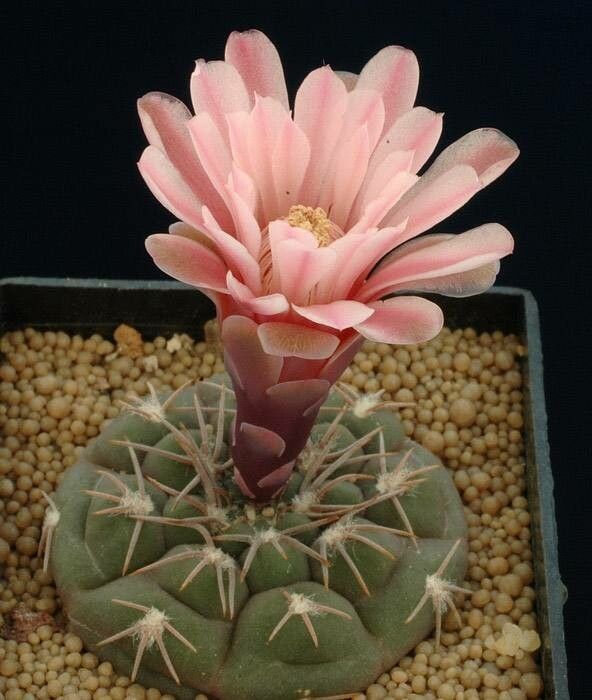
Unlocking the Secrets: How to Propagate Your Gymnocalycium Glaucum
The Gymnocalycium glaucum, with its intriguing bluish-green skin and vibrant, showy flowers, is a captivating addition to any succulent lover’s collection. But did you know this striking cactus can be easily multiplied, allowing you to share its beauty or expand your own plant family? Let’s dive into the fascinating world of Gymnocalycium glaucum propagation!
Two Paths to Propagation
Unlike many plants that offer multiple methods of propagation, the Gymnocalycium glaucum primarily reproduces in two ways:
Seeds: This is the most common and rewarding method. Gymnocalycium glaucum readily produces seeds within its vibrant fruits, which form after pollination.
- Offsets (Pups): While less common, some specimens will produce small offsets, also known as pups, at the base of the mother plant. These are essentially miniature clones, ready to be separated and nurtured into independent plants.
Seed Starting: A Journey of Patience and Reward
Collect and Prepare: Once the fruit on your Gymnocalycium glaucum dries and wrinkles, gently crush it to reveal small, black seeds. Allow these seeds to air dry for a day or two.
Sowing: Use a seed starting mix specifically formulated for cacti and succulents, or create your own using equal parts potting soil, perlite, and coarse sand. Sprinkle the seeds on the surface, barely pressing them into the mix.
Optimal Environment: Gymnocalycium glaucum seeds need light to germinate, so ensure they remain uncovered. Maintain a warm environment, ideally around 70-80°F (21-27°C), by using a seedling heat mat if necessary. Mist the soil surface regularly, keeping it consistently moist but not waterlogged.
- Germination and Beyond: Germination can take anywhere from a few weeks to a couple of months. Once seedlings emerge, provide bright, indirect light and continue misting regularly. As they grow, gradually reduce watering frequency, allowing the soil to dry slightly between waterings.
Offsetting: Easy Separation for Clonal Success
Identifying Offsets: Look for small, independent plants growing at the base of your mature Gymnocalycium glaucum.
Careful Removal: Using a clean, sharp knife or pair of scissors, carefully detach the offset from the mother plant. Ensure a clean cut to prevent potential infections.
Callusing: Allow the cut surface of both the offset and mother plant to dry and callous over for a few days. This reduces the risk of rot once planted.
- Potting: Plant the offset in a well-draining cactus mix, burying the base just enough to keep it stable. Water sparingly until you see signs of new growth.
Nurturing Your Gymnocalycium Glaucum Progeny
Whether you’ve propagated through seeds or offsets, success relies on providing the right conditions for growth. Here are some key care tips:
- Light: Gymnocalycium glaucum thrive in bright, indirect light.
- Water: Water deeply but infrequently, allowing the soil to dry out completely between waterings.
- Temperature: Maintain temperatures above 50°F (10°C) for optimal growth.
- Potting Mix: Use a well-draining cactus mix to prevent root rot.
Propagating your Gymnocalycium glaucum is a rewarding endeavor, allowing you to witness the miracle of plant life firsthand. So, gather your materials, embrace the journey, and watch as you cultivate new beginnings from your beloved cactus!