
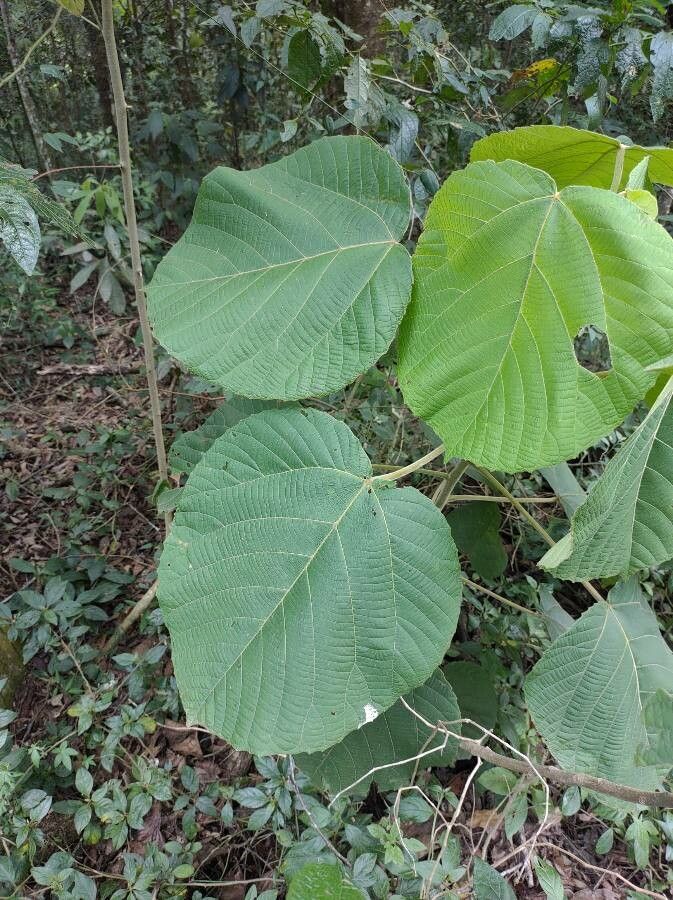
Don’t Touch! How the Infamous Gympie-Gympie Propagates (and Why You Should Steer Clear)
The plant world is full of fascinating surprises, but few are as intriguing and terrifying as the Gympie-gympie (Dendrocnide moroides). This seemingly innocent member of the nettle family, native to the rainforests of Australia and Indonesia, packs a venomous punch that can leave you writhing in agony for days, weeks, or even months. But even with a reputation for causing excruciating pain, you might be surprised to learn just how efficiently this notorious plant reproduces.
Like many plants, the Gympie-gympie utilizes both sexual and asexual methods of propagation, ensuring its continued survival in the undergrowth. Let’s dig deeper (not literally, please!), into both processes:
1. The Birds and the “Bees”: Sexual Reproduction:
Don’t let the word ‘sexual’ fool you – there’s nothing romantic happening here. The Gympie-gympie produces small, inconspicuous flowers that surprisingly lack the stinging hairs found on the rest of the plant. These flowers are either male or female and are borne on separate plants, requiring pollination to produce seeds.
But with its reputation, who would dare get close enough to pollinate? The answer lies in the Gympie-gympie’s clever strategy. It’s believed that various insects, particularly small stingless bees, act as pollinators, attracted by the flowers’ nectar and seemingly unaffected by the plant’s potent defense mechanism.
Once pollinated, the female flowers develop into small, fleshy fruits. However, these fruits, much like the rest of the plant, are covered in the infamous stinging hairs. So, while they might appear enticing, it’s best to leave them well alone.
2. Spreading the Pain: Asexual Reproduction:
If relying on unsuspecting pollinators wasn’t enough, the Gympie-gympie has another trick up its sleeve: asexual reproduction. This method doesn’t involve seeds and allows the plant to spread and establish itself rapidly. Here’s how it works:
- Rhizomes: The plant’s roots, known as rhizomes, spread horizontally underground, sending up new shoots at intervals. This strategy allows a single Gympie-gympie plant to create a dense colony, quickly taking over an area.
- Cuttings: Like many plants, fragments of the Gympie-gympie, whether broken off accidentally or through natural processes, can potentially take root and grow into new plants. This means even a slight brush can lead to an unwelcome new colony popping up.
Respect the Stinger:
The Gympie-gympie serves as a stark reminder that even in the plant world, there’s more than meets the eye. Its efficient propagation strategies, combined with its remarkably painful defense mechanism, have earned it a fearsome reputation.
So, while you might be curious about this botanical wonder, admire it from a distance and remember this: when it comes to the Gympie-gympie, it’s best to look, don’t touch!