
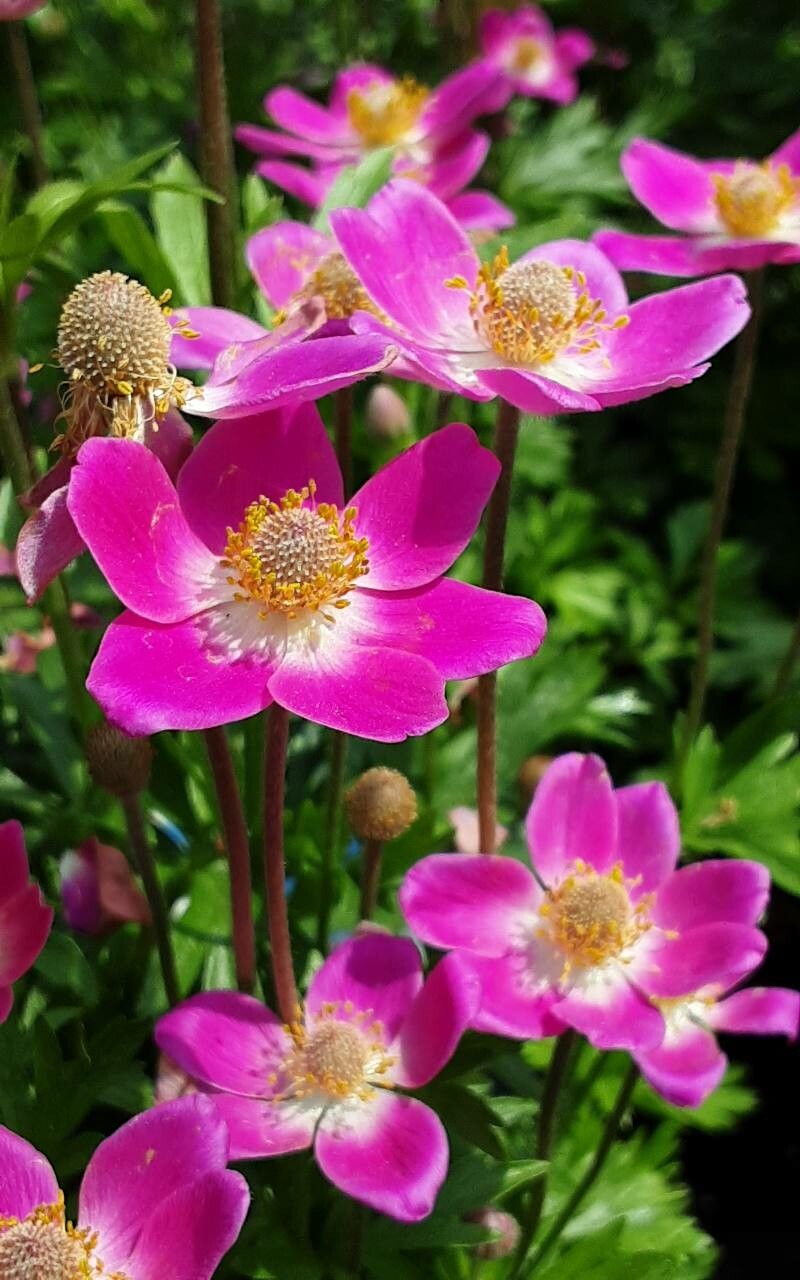
Unveiling the Secrets of Anemone multifida Propagation: Seeds, Divisions, and Patience!
Anemone multifida, also known as the Cutleaf Anemone or Pacific Anemone, is a charming wildflower that graces meadows and mountainsides with its delicate, brightly colored blooms. This hardy perennial, native to North America, can be a delightful addition to gardens that embrace a wilder, more naturalistic aesthetic.
But how do you invite this enchanting plant into your own outdoor space? While you might find A. multifida at specialized nurseries, propagating it yourself is a rewarding experience that grants a deeper appreciation for this lovely wildflower. Let’s delve into the secrets of successfully propagating A. multifida using both seeds and divisions.
Seed Starting: A Test of Time and Patience
Propagating A. multifida from seed requires a touch of patience, as this method takes longer than divisions. Here’s a breakdown of the process:
- Seed Collection: Collect seeds from existing plants in late summer or early fall. Look for fluffy seed heads that are beginning to dry and disperse.
- Cold Stratification: A period of cold dormancy is crucial for germination. In a process called cold stratification, mimic winter conditions by storing seeds in a moist paper towel inside a sealed plastic bag in your refrigerator for at least 6-8 weeks.
- Sowing: In spring, once the last frost has passed, sow seeds directly into prepared garden beds or start them indoors 4-6 weeks before the last frost. Sprinkle seeds on the surface of well-draining soil and lightly press them down, ensuring they receive ample light.
- Patience is Key: Germination can be slow and erratic, sometimes taking several months. Keep the soil consistently moist but not waterlogged.
- Transplanting: When seedlings have developed a few sets of true leaves, they can be carefully transplanted to their permanent locations.
Divisions: The Quicker Route to More Plants
Dividing established A. multifida clumps is a faster propagation method, offering quicker results than starting from seed:
- Timing is Everything: Divide plants in early spring or fall when the ground is workable and temperatures are cool.
- Divide and Conquer: Carefully dig up a healthy clump, ensuring you get a good amount of the root system. Using a sharp, clean knife or spade, divide the clump into smaller sections, ensuring each division has a healthy portion of roots and shoots.
- Replanting: Replant divisions immediately in well-prepared soil, spacing them about 12 inches apart. Water well and keep the soil consistently moist as new roots establish.
A Few Tips for Success:
- Well-Drained Soil: Anemone multifida thrives in well-drained soil that doesn’t become waterlogged.
- Sun or Shade: This adaptable plant tolerates various light conditions, from full sun to partial shade.
- Minimal Fertilizer: A light application of balanced fertilizer in the spring is generally sufficient.
- Pest and Disease Resistance: A. multifida is relatively pest and disease-free.
Propagating Anemone multifida is a rewarding endeavor that can be achieved through both seeds and divisions. While the seed route requires patience, it offers the thrill of witnessing the entire life cycle of this captivating plant. On the other hand, divisions provide a quicker path to expand your A. multifida collection. Whichever method you choose, the joy of introducing this charming wildflower to your garden awaits!