
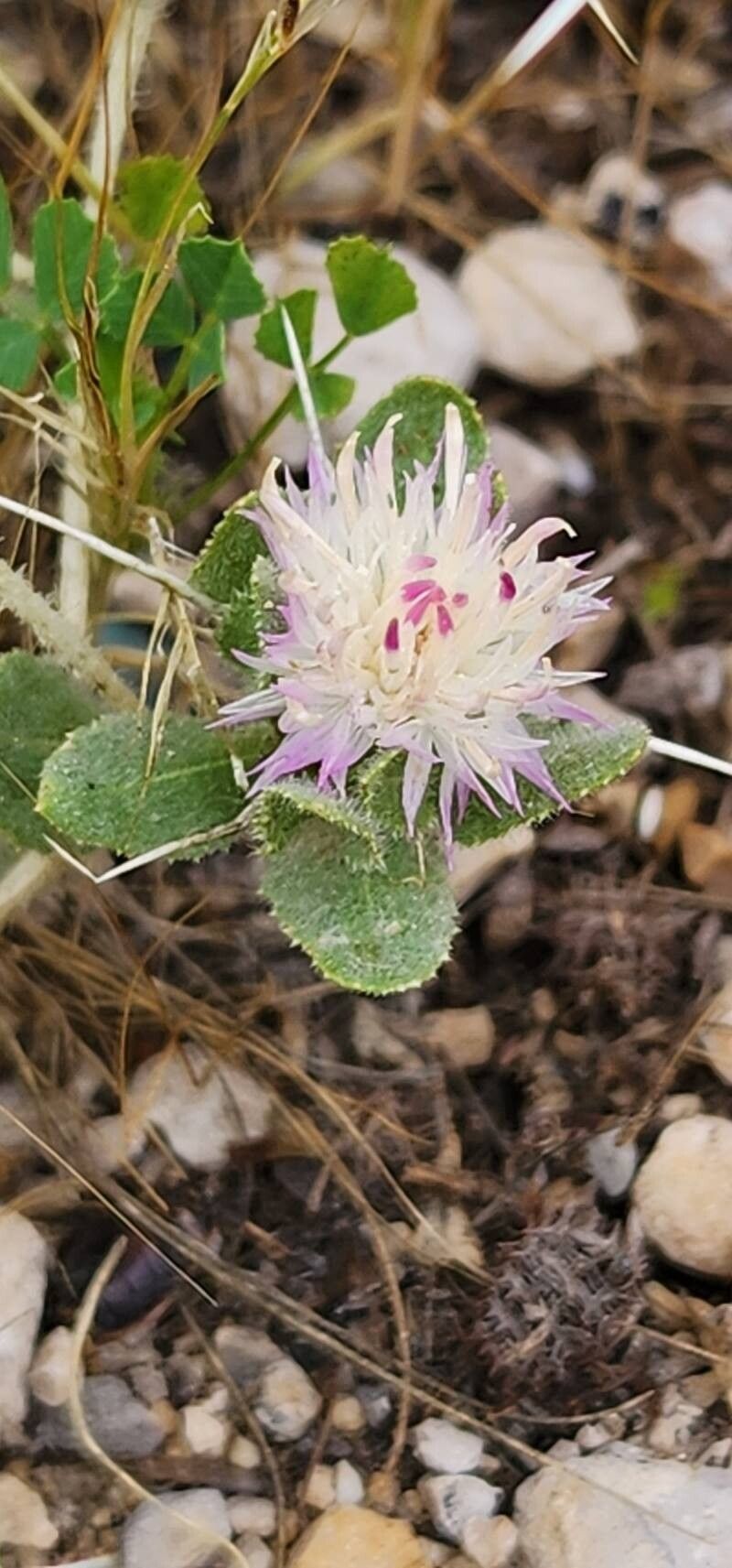
Unveiling the Secrets: How to Propagate the Elusive Centaurea bruguieriana
Centaurea bruguieriana, also known as the “Cornflower Centaury”, might not roll off the tongue easily, but this Mediterranean beauty deserves a spot in your garden. With its captivating silvery foliage and vibrant pink blooms reminiscent of delicate thistles, it’s a visual feast for any plant enthusiast. But how do you invite this elusive beauty into your own space? Let’s unravel the secrets of successfully propagating Centaurea bruguieriana.
Understanding the Plant:
Before diving into propagation, it’s essential to understand its preferences. Thriving in full sun and well-drained soil, Centaurea bruguieriana is a low-maintenance plant, tolerant of drought conditions once established. This makes it an excellent choice for rock gardens, borders, or even containers, adding a touch of Mediterranean charm to your outdoor haven.
The good news is, you can multiply your Centaurea bruguieriana treasures in two ways: by seed and by cuttings.
1. Propagation by Seed:
- Timing is Key: Spring is the ideal time for sowing seeds. The warmer temperatures and longer daylight hours provide the perfect environment for germination.
- Sowing the Seeds: Prepare a well-drained seed tray or small pots with seed-starting mix. Scatter the seeds evenly, lightly pressing them into the surface.
- Patience is a Virtue: Mist the soil regularly, ensuring it remains moist but not waterlogged. Germination can take a few weeks, so don’t be disheartened if you don’t see sprouts immediately.
- Transplanting the Seedlings: Once the seedlings have developed a couple of true leaves, carefully transplant them into individual pots or directly into your garden, spacing them approximately 12 inches apart.
2. Propagation by Cuttings:
- Choosing the Right Time: Early summer, when the plant is actively growing, is the optimal time to take cuttings.
- Selecting the Cuttings: Look for healthy, non-flowering stems. Using a sharp, clean knife or pruning shears, make a cut just below a leaf node (where the leaf attaches to the stem).
- Preparing the Cuttings: Remove the lower leaves from the cutting, leaving only a few at the top. Dip the cut end into rooting hormone powder to encourage root development (optional but recommended).
- Planting the Cuttings: Plant each cutting in a well-draining potting mix. Water well and cover loosely with a plastic bag or use a propagation dome to create a humid environment.
- Monitoring and Care: Keep the cuttings in a shady spot, ensuring the soil remains consistently moist. Rooting can take several weeks. Once new growth appears, you’ll know your cuttings have successfully rooted. Gradually acclimatize them to outdoor conditions before transplanting them to their final location.
Propagating Centaurea bruguieriana – A Rewarding Journey
While patience and care are key, the process of propagating Centaurea bruguieriana is incredibly rewarding. Successfully nurturing new plants from seeds or cuttings brings a sense of accomplishment and allows you to expand your garden with minimal cost. So, roll up your sleeves, embrace the joy of propagation, and let these captivating beauties grace your garden, adding a touch of Mediterranean magic to your outdoor space.