
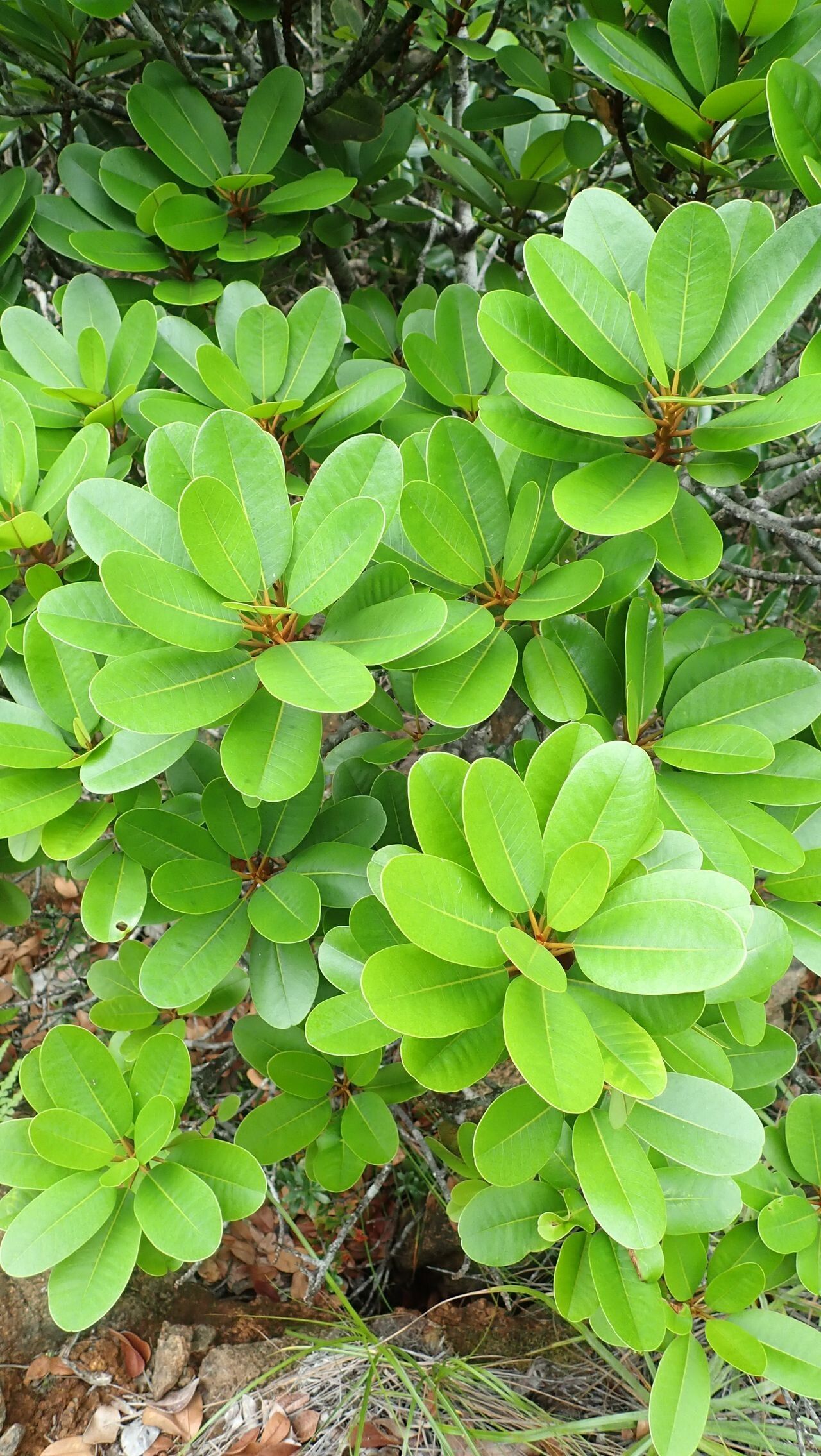
Unlocking the Secrets of Pichonia balansae: A Propagation Guide for the Intrepid Gardener
The Pichonia balansae, with its glossy leaves and vibrant red fruits, is a botanical gem hailing from New Caledonia. While not a household name, this tropical tree holds immense appeal for adventurous gardeners seeking unique additions to their collections. However, propagating Pichonia balansae can be a rewarding challenge. This guide unveils the secrets to successfully growing new plants and expanding the reach of this fascinating species.
Understanding the Challenges:
Pichonia balansae is not readily available in nurseries, making propagation the most viable way to acquire one. This species can be propagated through both seeds and cuttings, each with its own set of considerations:
Seed Propagation: While seemingly straightforward, seed propagation presents a significant hurdle: seed viability. Pichonia balansae seeds have a short lifespan and need to be sown quickly after extraction from the fruit. Finding fresh seeds can be difficult, potentially requiring networking with botanical gardens or specialist collectors.
- Cutting Propagation: Propagating from cuttings offers a more reliable approach, bypassing the uncertainties of seed viability. However, success hinges on several crucial factors, including the selection of healthy, semi-hardwood cuttings, the use of appropriate rooting hormones, and the maintenance of optimal environmental conditions.
Step-by-Step Guide to Propagating Pichonia balansae:
1. Seed Propagation:
- Source fresh seeds: This is paramount. Contact botanical gardens or online communities specializing in rare plants to locate fresh Pichonia balansae seeds.
- Prepare the seeds: Gently remove the fruit pulp and rinse the seeds thoroughly. Soaking the seeds in lukewarm water for 24 hours can help improve germination rates.
- Plant the seeds: Use a well-draining seed-starting mix and sow the seeds at a depth of about 1 cm.
- Provide optimal conditions: Place the seed tray in a warm, humid environment with bright, indirect light. Consistent moisture is crucial, but avoid overwatering.
- Germination: Germination can be erratic, ranging from a few weeks to several months.
2. Cutting Propagation:
- Timing is key: Take cuttings during the active growing season, ideally in spring or early summer.
- Select suitable cuttings: Choose healthy, semi-hardwood stems, approximately 10-15 cm long.
- Prepare the cuttings: Remove leaves from the lower third of the cutting and wound the base slightly to expose the cambium layer.
- Apply rooting hormone: Dip the wounded end in rooting hormone powder or gel to stimulate root development.
- Plant the cuttings: Use a well-draining potting mix and insert the cuttings into the medium, ensuring the bottom node is buried.
- Create a humid environment: Cover the cuttings with a plastic bag or humidity dome to retain moisture.
- Patience is vital: Root development can take several weeks. Once new growth appears, it’s a sign of successful rooting.
Nurturing Your Pichonia balansae:
Whether you’ve successfully germinated seeds or rooted cuttings, proper care is crucial for growing healthy Pichonia balansae plants:
- Light: Provide bright, indirect light. Avoid direct sunlight, which can scorch the leaves.
- Water: Water regularly, allowing the soil to dry slightly between waterings. Good drainage is crucial to prevent root rot.
- Humidity: As a tropical plant, Pichonia balansae thrives in high humidity. Misting regularly or using a humidifier can be beneficial.
- Fertilizer: Feed with a balanced liquid fertilizer diluted to half strength during the growing season.
- Repotting: Repot as needed, typically every 1-2 years, using a slightly larger pot and well-draining potting mix.
Propagating Pichonia balansae might require patience and dedication, but the rewards are well worth the effort. By following these steps and providing optimal care, you can enjoy the beauty of this rare and stunning tree in your own garden, contributing to its conservation and appreciation for generations to come.