
Unleash the Eucalyptus Fraxinoides: A Guide to Propagating this Fragrant Beauty
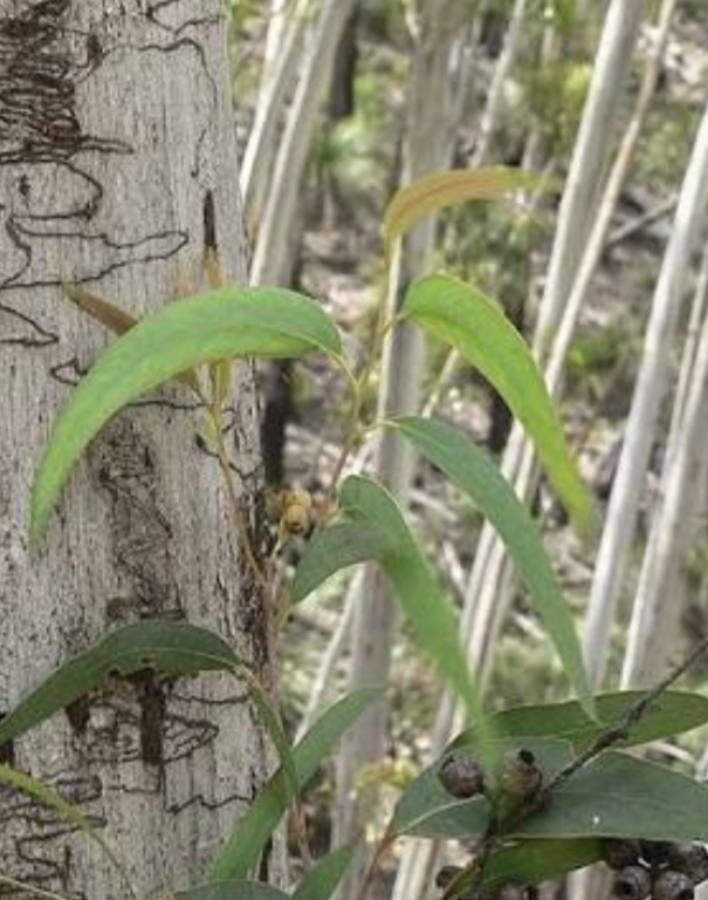
The Eucalyptus fraxinoides, also known as the white ash eucalyptus or the white mountain ash, is a sight to behold. This majestic tree, native to the cooler regions of Australia, boasts smooth, grey bark, vibrant green leaves that release an invigorating aroma, and delicate white flowers that attract a plethora of pollinators. But did you know that growing your own Eucalyptus fraxinoides is an achievable feat?
While cultivating this magnificent tree might seem like a task reserved for seasoned gardeners, with a little patience and the right knowledge, you too can enjoy the beauty and fragrance of the Eucalyptus fraxinoides in your own backyard. Let’s delve into the world of propagating this magnificent species.
Two Paths to Propagation: Seeds vs. Cuttings
Propagating Eucalyptus fraxinoides can be accomplished through two primary methods: seeds and cuttings. Each approach has its own set of advantages and challenges, allowing you to choose the method that best suits your gardening style and resources.
1. Starting from Seed: A Journey of Patience
Growing Eucalyptus fraxinoides from seed is a rewarding experience, allowing you to witness the tree’s development from its very beginnings. Here’s how you can embark on this journey:
- Gathering Seeds: Eucalyptus fraxinoides seeds are typically found in small, woody capsules that develop after the flowering season. You can collect these capsules directly from a mature tree or source them from reputable suppliers.
- Preparing for Sowing: Before sowing, soak the seeds in warm water for 12-24 hours. This helps soften the outer shell and encourages germination.
- Sowing and Growing: Plant the seeds in a well-draining seed-raising mix, keeping them just below the soil surface. Mist the soil regularly to keep it consistently moist but not waterlogged. Be patient, as germination can take anywhere from a few weeks to a couple of months.
- Transplanting Seedlings: Once the seedlings have developed a few sets of true leaves and are sturdy enough to handle, transplant them into larger individual pots filled with a well-draining potting mix.
2. Propagating from Cuttings: A Faster Route
Propagating from cuttings offers a faster track to establishing your Eucalyptus fraxinoides. While slightly more technique-dependent, it allows you to create a genetically identical replica of the parent plant. Follow these steps:
- Selecting the Cutting: Choose a healthy, semi-hardwood cutting from the current year’s growth. The cutting should be around 10-15 cm long and taken at a slightly angled cut just below a leaf node.
- Preparing the Cutting: Remove the leaves from the lower two-thirds of the cutting. Dip the cut end in a rooting hormone powder to encourage root development.
- Planting the Cutting: Plant the cutting in a pot filled with a well-draining, sterile potting mix. Keep the soil consistently moist and provide indirect sunlight.
- Encouraging Root Growth: Consider creating a mini greenhouse effect by covering the pot with a plastic bag. This helps retain moisture and promotes a humid environment that encourages root growth.
Caring for Your Eucalyptus Fraxinoides
Whether you’ve chosen the path of seeds or cuttings, providing the right care is crucial for your Eucalyptus fraxinoides to thrive:
- Sunlight: Ensure your tree receives at least 6 hours of direct sunlight daily.
- Soil: Plant your Eucalyptus fraxinoides in well-draining soil.
- Watering: Water regularly while the plant establishes itself, especially during dry periods. Once mature, Eucalyptus fraxinoides are relatively drought-tolerant.
- Fertilizing: Fertilize in spring with a slow-release fertilizer to promote healthy growth.
Enjoying the Fruits of Your Labor
Successfully propagating your own Eucalyptus fraxinoides is a truly fulfilling experience. Not only will you be rewarded with a stunning tree that adds visual appeal to your landscape, but you’ll also enjoy the refreshing aroma of its leaves and the satisfaction of nurturing it from seed or cutting to a thriving plant.