
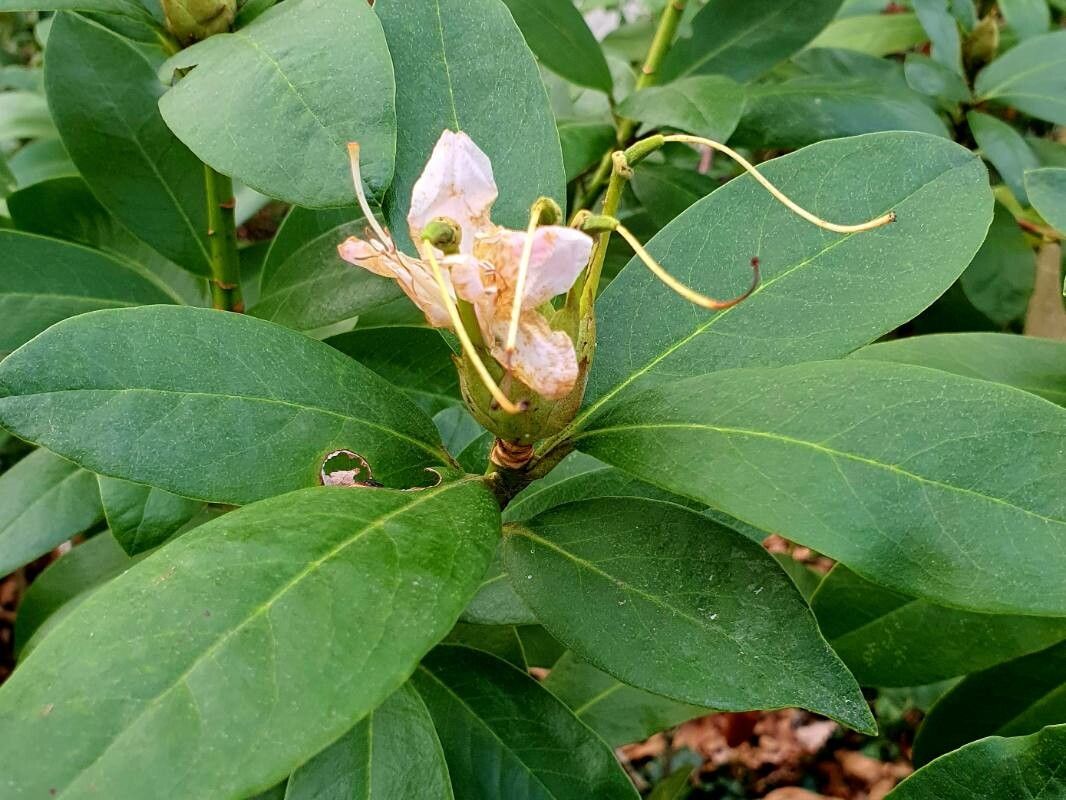
Unlocking the Secrets to Propagating the Exquisite Rhododendron augustinii
Rhododendron augustinii, with its ethereal blue blooms and graceful habit, is a sight to behold. This stunning species, native to the mountains of China, can transform any garden into a captivating oasis. While acquiring established plants from nurseries is a common route, propagating your own Rhododendron augustinii can be an incredibly rewarding experience. It allows you to expand your collection, share the beauty with others, and truly connect with this botanical gem.
This guide will delve into the secrets of propagating Rhododendron augustinii, equipping you with the knowledge and confidence to successfully multiply your own collection:
Understanding the Basics
Rhododendron augustinii can be propagated through two primary methods:
- Seed Propagation: This method, while requiring more patience, offers the chance to grow a larger quantity of plants and potentially witness unique variations.
- Semi-hardwood Cuttings: This technique is faster and generally results in plants genetically identical to the parent, ensuring predictable traits.
Method 1: Seed Propagation
- Seed Collection: Collect ripe seed capsules from your Rhododendron augustinii in late summer or early fall. The capsules will be brown and starting to split open.
- Seed Preparation: Carefully extract the tiny, dust-like seeds and sow them immediately on the surface of a well-draining, acidic seed-starting mix.
- Creating a Humid Environment: Cover the seed tray with a clear plastic lid or cling film to maintain moisture. Place the tray in a bright location, out of direct sunlight.
- Patience is Key: Germination can take anywhere from a few weeks to several months. Once seedlings emerge and develop several true leaves, they can be gently transplanted into individual pots.
Method 2: Semi-hardwood Cuttings
- Timing is Crucial: The ideal time for taking semi-hardwood cuttings is late summer, when new growth has begun to firm up but is still flexible.
- Selecting Healthy Cuttings: Choose healthy, non-flowering stems that are about 3-4 inches long. Make a clean cut just below a leaf node.
- Preparing the Cuttings: Remove the lower leaves from the cutting, leaving only a few at the top. Dip the cut end in rooting hormone to encourage root development.
- Planting the Cuttings: Insert the cuttings into a pot filled with a well-draining, acidic rooting mix, making sure at least one leaf node is below the soil surface.
- Creating a Humid and Warm Environment: Enclose the pot in a clear plastic bag or use a propagation dome to maintain high humidity. Place the pot in a warm, bright location out of direct sunlight.
- Monitoring Root Development: It can take several weeks for roots to develop. Gently tug on the cutting to check for resistance, indicating root growth.
Essential Tips for Success:
- Acidic Soil is Key: Rhododendrons thrive in acidic soil with a pH range of 4.5-5.5. Use an ericaceous potting mix or amend regular potting mix with peat moss and composted pine needles.
- Provide Adequate Drainage: Rhododendrons are susceptible to root rot if the soil remains waterlogged. Ensure good drainage by using pots with drainage holes and a well-draining potting mix.
- Be Patient and Observant: Propagating Rhododendron augustinii, especially from seeds, requires patience. Closely monitor your plants, adjusting watering and providing adequate humidity as needed.
The Joys of Propagation:
Propagating your own Rhododendron augustinii is a deeply satisfying experience. Whether you choose the patience-rewarding seed route or the relatively quicker cutting method, the joy of nurturing new life and expanding your collection is truly rewarding. With the right knowledge and a dash of dedication, you can enjoy the ethereal beauty of Rhododendron augustinii for years to come.