
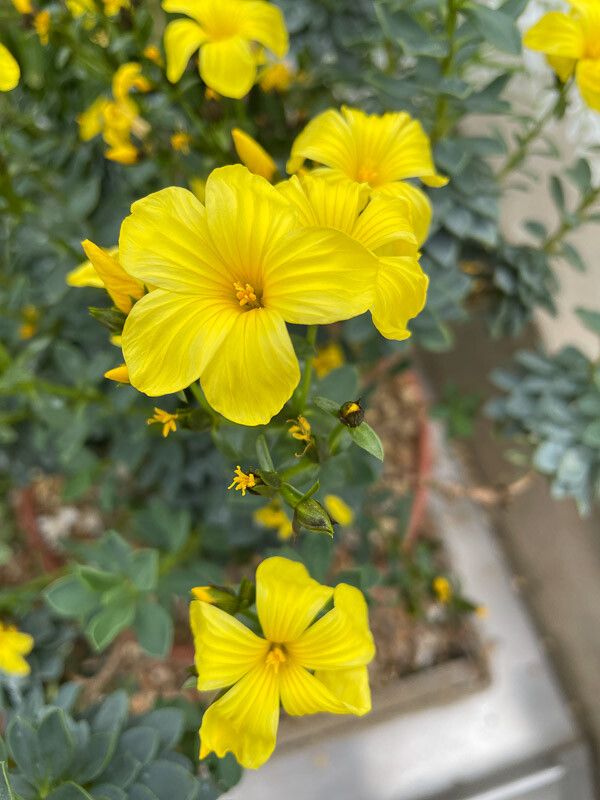
Cultivating Charm: Propagation Techniques for the Delicate Linum Doerfleri
The Linum doerfleri, also known as the Macedonian Flax, captivates gardeners with its sky-blue, saucer-shaped flowers that burst open in the summer sunshine. This charming perennial, with its delicate appearance, belies a resilient nature and thrives in well-drained soils, making it a delightful addition to rock gardens and sunny borders. While acquiring established plants is always an option, propagating your own Linum doerfleri allows for greater fulfillment and potentially a larger bloom of these captivating blue beauties. But where do you begin? Let’s delve into the world of Linum doerfleri propagation, exploring two effective methods:
1. Seed Sowing: A Dance with Dormancy
Linum doerfleri seeds possess a type of dormancy that needs a gentle nudge to awaken their growing potential. Cold stratification, a process mimicking winter conditions, is the key. Follow these steps for successful seed propagation:
- Timing is everything: Aim to sow your seeds in late winter or early spring, roughly 6-8 weeks before the last expected frost. This timing allows for proper stratification and prepares the seedlings for spring planting.
- Stratification simulation: Moisten a seed starting mix and fill a plastic bag or container. Sow your seeds sparsely, gently pressing them into the mix without burying them. Seal the bag or cover the container and place it in your refrigerator (around 40°F or 4°C). This cold period, lasting 4-6 weeks, breaks their dormancy and encourages germination.
- From cold to warmth: After stratification, remove the seeds from the refrigerator and place them in a bright location, out of direct sunlight. Maintain a consistent temperature of around 70°F (21°C).
- Patience is key: Germination can take anywhere from 1 to 3 weeks. Keep the soil consistently moist but not waterlogged.
- Transplanting time: Once the danger of frost has passed and the seedlings have developed a sturdy root system and a few sets of true leaves, they are ready to be transplanted outdoors. Choose a location with full sun to partial shade and well-drained soil. Space them around 12 inches apart.
2. Cuttings: Cloning Your Floral Favorite
Propagating Linum doerfleri from cuttings provides a quicker route to flowering plants and ensures identical characteristics to the parent plant. Here’s how to master this method:
- The right time and tools: Take cuttings in the early morning during the active growing season (spring or early summer) when the plant is full of vigor. Use sharp, sterilized pruning shears or a knife for clean cuts.
- Selecting the perfect cutting: Look for healthy, non-flowering stems that are about 3-4 inches long. Remove the bottom leaves, leaving 2-3 pairs at the top.
- Hormone boost (optional): While not strictly necessary, dipping the cut end in rooting hormone powder can accelerate root development.
- Planting the cutting: Fill a small pot with a well-draining seed starting mix. Make a small hole in the mix with a pencil and gently insert the cutting, burying the leaf nodes.
- Creating a humid environment: Cover the pot with a clear plastic bag or use a propagation dome to maintain humidity. Place the cutting in a bright location, out of direct sunlight. Mist regularly to prevent the cutting from drying out.
- Root formation and beyond: Roots should develop within a few weeks. Once you see new growth, you can gradually acclimatize the cutting to normal humidity levels. When the roots have filled the pot, it’s time to transplant it into a larger container or outdoors.
A Garden Embellished with Blue
Propagating Linum doerfleri, whether from seed or cuttings, offers a fulfilling way to expand your garden with these captivating blue blooms. With a little patience and care, you’ll soon have a flourishing display of this charming perennial. So, why not try your hand at propagation and let the captivating azure of the Linum doerfleri grace your garden for years to come?