
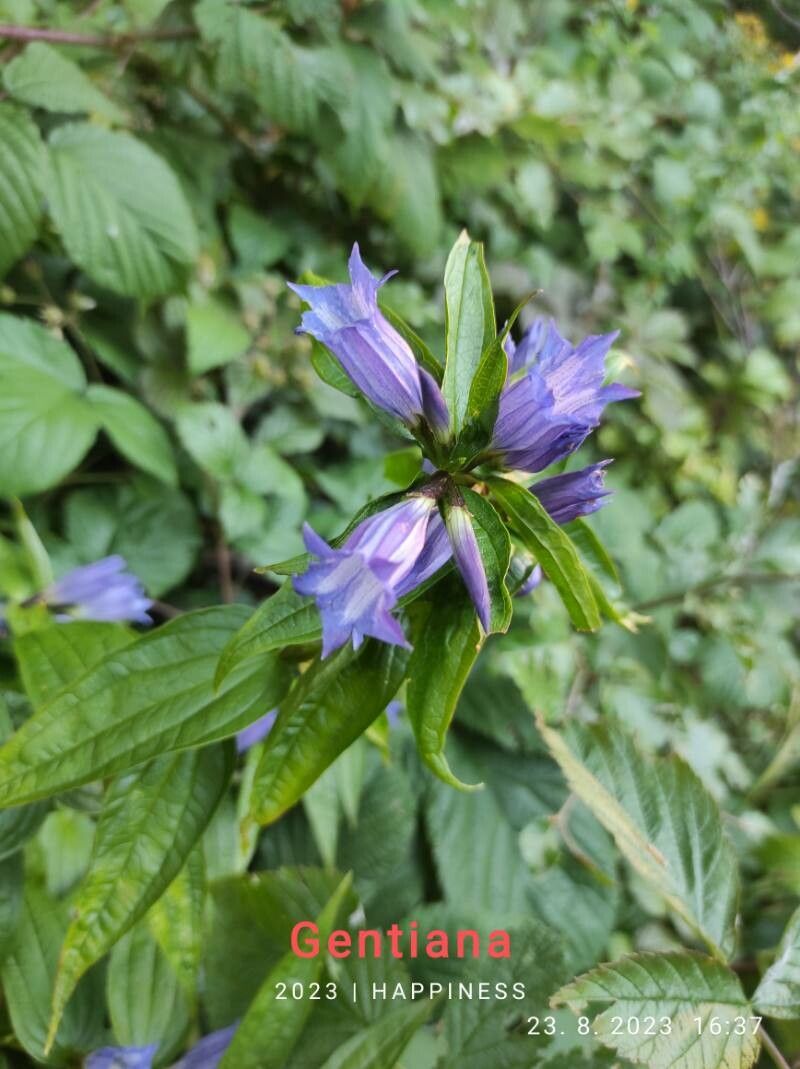
Unveiling the Secrets of the Willow Gentian: A Guide to Propagation
The Willow Gentian (Gentiana asclepiadea) is a captivating perennial, prized for its arching stems adorned with vibrant blue, trumpet-shaped blooms in late summer and early fall. While its beauty is undeniable, introducing this woodland gem into your garden requires some understanding of its propagation methods. Don’t worry – it’s not as complicated as you think! Let’s break down the different ways you can welcome more of these enchanting flowers into your life.
Method 1: Seed – A Test of Patience and Timing
Propagating Willow Gentian from seed can be immensely rewarding, though it demands patience and a touch of finesse. Here’s how to do it:
- Seed Collection: Harvest seeds from mature seed pods in the fall, ideally as they begin to brown and split open.
- Sowing: Sow seeds immediately after collection or store them in the refrigerator until late winter/early spring. Choose well-draining seed starting mix and sprinkle seeds on the surface, lightly pressing them down.
- Patience is key: Germination can be erratic, taking anywhere from a few weeks to several months. Keep the soil consistently moist but not waterlogged, and provide a cool, bright location out of direct sunlight.
- Transplanting Triumph: Once seedlings are large enough to handle, carefully transplant them into individual pots and continue growing them in a sheltered location until they are robust enough for planting in the garden.
Method 2: Division – Sharing the Beauty
Division offers a faster and more reliable way to propagate Willow Gentian, preserving the desirable characteristics of the parent plant:
- Timing is Everything: Divide established clumps in early spring before new growth emerges. Water the plant thoroughly a day or two before division to minimize stress.
- Divide and Conquer: Carefully lift the entire clump from the ground and use a sharp, clean knife or garden spade to divide it into sections, ensuring each section has a healthy amount of roots and shoots.
- Back to the Earth: Replant divisions immediately in prepared locations with well-draining soil enriched with organic matter. Water thoroughly and keep the soil consistently moist as the divisions establish.
Method 3: Basal Cuttings – A More Advanced Approach
For experienced gardeners, taking basal cuttings in late spring provides another propagation method:
- Select and Snip: Locate healthy, non-flowering shoots at the base of the plant. Using a sharp, sterilized knife or pruners, take cuttings about 3-4 inches long, making a clean cut just below a leaf node.
- Prepare for Rooting: Remove the lower leaves from each cutting, leaving 2-3 at the top. Dip the cut end in rooting hormone to encourage root development.
- Potting and Patience: Plant the prepared cuttings in pots filled with a well-draining rooting mix, ensuring the leaf nodes below the soil line are in contact with the medium. Cover the pots with a plastic bag or place them in a propagator to create a humid environment.
- Transplant Time: Once roots develop (in a few weeks), gradually acclimatize the cuttings to outdoor conditions before planting them out in their permanent positions.
Nurturing Success: Key Tips for Willow Gentian Happiness
Regardless of your chosen propagation method, providing the right growing conditions is crucial:
- Well-Drained Soil: Willow Gentian thrives in moist but well-drained soil. Amend heavy clay soils with organic matter to improve drainage.
- Light Shade: Opt for a location that receives morning sun and afternoon shade, replicating its natural woodland habitat.
- Moisture is Key: Water regularly, especially during dry spells, to keep the soil consistently moist but not waterlogged.
- Patience Rewarded: Remember, Willow Gentian can be slow to establish. With proper care and attention, these beauties will grace your garden with enchanting blue blooms for years to come.
So, embrace the joy of propagating your own Willow Gentian. Whether you choose the rewarding journey of seed starting, the reliability of division, or the challenge of basal cuttings, your efforts will be rewarded with a stunning display of these alluring blue blossoms.