
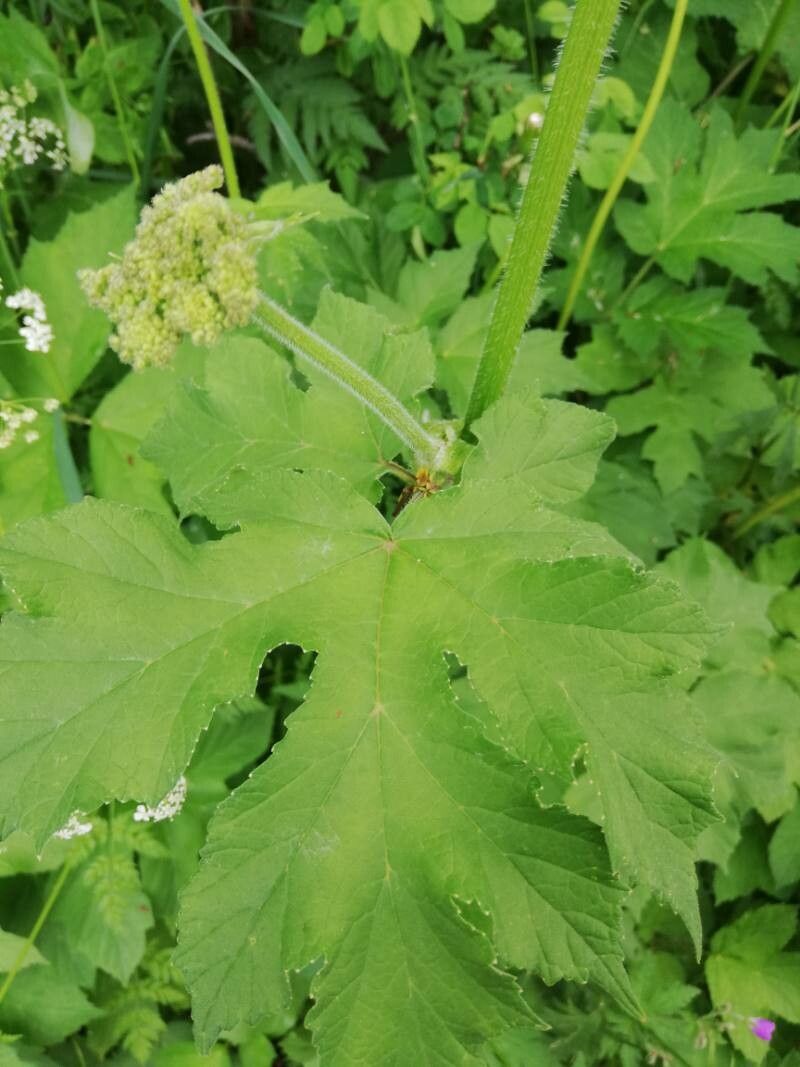
Taming the Giant: A Guide to Propagating Cow Parsnip (Heracleum maximum)
Cow parsnip, or Heracleum maximum, is a striking plant with its large, architectural foliage and impressive umbels of white flowers. Native to North America, this member of the carrot family can grow up to 10 feet tall, adding a dramatic flair to wildflower gardens, meadows, and naturalized areas. If you’re captivated by this giant and want to encourage its presence in your landscape, propagating cow parsnip is a rewarding endeavor.
Understanding the Life Cycle: Seeds of Success
Cow parsnip is a biennial or short-lived perennial, meaning it completes its life cycle in two years or within a few short years. This lifecycle is essential to understand when it comes to propagation:
- Year One: The plant focuses on establishing its root system and producing a rosette of large, deeply lobed leaves close to the ground.
- Year Two (and beyond): The plant directs its energy upwards, sending up a tall, flowering stalk that produces an abundance of seeds. After seed dispersal, the plant typically dies, although it may live for a few years in ideal conditions.
Propagation Methods: Sowing the Seeds of Growth
While cow parsnip can spread through its roots to a certain extent, the primary method of propagation is by seed:
1. Seed Collection:
- Timing is Key: Collect seeds in late summer or early fall when the seed heads have dried to a brown color, and the seeds readily detach.
- Handle with Care: Wear gloves when handling the seeds, as the plant’s sap can cause skin irritation in some individuals.
- Store Properly: Keep the seeds dry and in a cool, dark place until you’re ready to sow.
2. Sowing Options:
- Direct Sowing (Recommended):
- When: Sow seeds in the fall, shortly after collecting them. This allows for natural stratification (exposure to cold temperatures) that many seeds require to germinate.
- Where: Choose a location with moist, well-drained soil and full sun to partial shade.
- How: Scatter seeds on the soil surface, lightly pressing them in but not burying them.
- Starting Indoors:
- When: Begin 6-8 weeks before the last expected frost.
- What: Use seed starting mix and keep the seeds consistently moist.
- Light: Provide bright, indirect light.
- Transplanting: Harden off seedlings before planting outdoors after the danger of frost has passed.
Tips for Success: Nurturing Your Giants
- Patience is a Virtue: Cow parsnip seeds can be slow to germinate, sometimes taking several months.
- Moisture Matters: Keep the soil consistently moist, especially during germination.
- Space Wisely: Give your plants room to grow! Space them 2-3 feet apart.
- Deadhead with Caution (Optional): To prevent self-seeding (if desired), cut off the flower stalks after they bloom but before the seeds mature. Remember to wear gloves.
By following these steps and embracing the wild beauty of this native plant, you can successfully propagate cow parsnip and enjoy its impressive presence in your own backyard. Just remember to admire its stature while respecting its strength – and always wear gloves when handling this gentle giant!