
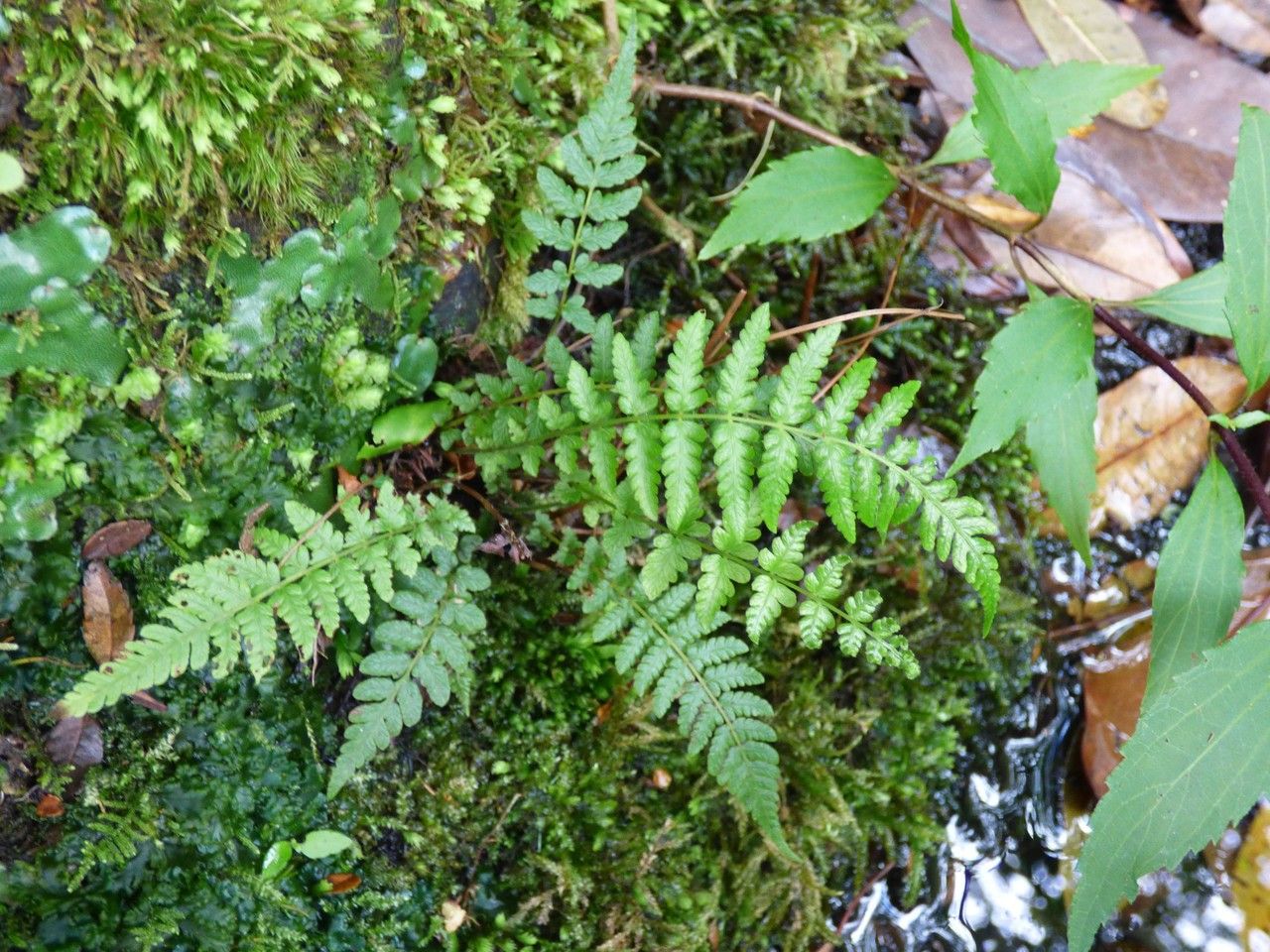
Unlocking the Secrets of Thelypteris heteroptera: A Propagation Guide for Lush, Fern-filled Gardens
Thelypteris heteroptera, also known as the Diverse-winged Fern, might not roll off the tongue easily, but this striking plant deserves a prominent place in shady gardens. With its graceful, arching fronds and vibrant green hues, it brings a touch of prehistoric elegance to any space. If you’re lucky enough to have this beauty in your garden or know someone who does, you might be wondering about the best ways to propagate it. Fear not, fellow plant enthusiasts, for we’re about to unlock the secrets of multiplying your Thelypteris heteroptera!
Understanding the Fern Life Cycle
Before diving into the specifics, it’s helpful to understand the basics of fern reproduction. Unlike flowering plants that rely on seeds, ferns reproduce through spores – tiny, dust-like particles found on the undersides of their fronds. These spores, when dispersed and given the right conditions, develop into a small, heart-shaped structure called a prothallus. This often-invisible stage is where fertilization occurs, eventually leading to the growth of a new fern plant.
Two Paths to Propagation: Spores and Division
While propagating Thelypteris heteroptera through spores is possible, it can be challenging for beginners. It requires patience, meticulous care, and a controlled environment.
1. Spore Propagation: A Journey of Patience
- Collecting Spores: Look for mature fronds with dark, often brown spots on the undersides. These are spore-producing structures called sori. Carefully cut a frond and place it inside a paper bag to dry. Within a few days, the spores will be released as a fine powder.
- Sowing the Spores: Prepare a sterile seed-starting mix, preferably peat-based. Moisten the mix and sprinkle the spores evenly on the surface without burying them. Cover the container with plastic wrap or a humidity dome to maintain moisture.
- Light and Patience: Place the container in a bright location, out of direct sunlight. Ensure consistent moisture and be prepared to wait. Germination can take anywhere from a few weeks to several months. Once the prothalli develop and young ferns emerge, you can carefully transplant them into individual pots.
2. Division: The Easier Route to Success
For those seeking a more straightforward approach, division is the way to go.
- Timing is Key: Spring is the ideal time for division, just as new growth begins. Gently unearth the entire fern clump and shake off excess soil.
- Dividing the Rhizomes: Using a sharp, clean knife or garden shears, carefully divide the clump into smaller sections. Each section should have a healthy portion of the root system (rhizomes) and several fronds.
- Replanting and Care: Plant the divisions at the same depth they were originally growing, ensuring the rhizomes are covered with soil. Water thoroughly and provide consistent moisture until the divisions are established.
Creating the Ideal Environment
Thelypteris heteroptera flourishes in shady, moist environments that mimic their natural woodland habitat. Rich, well-drained soil with a slightly acidic pH is ideal. Regular watering is essential, especially during dry periods, but be careful not to overwater.
Propagating your own Thelypteris heteroptera might seem daunting at first, but with a little patience and understanding, you can successfully expand your fern collection and create a lush, green oasis right in your backyard.