
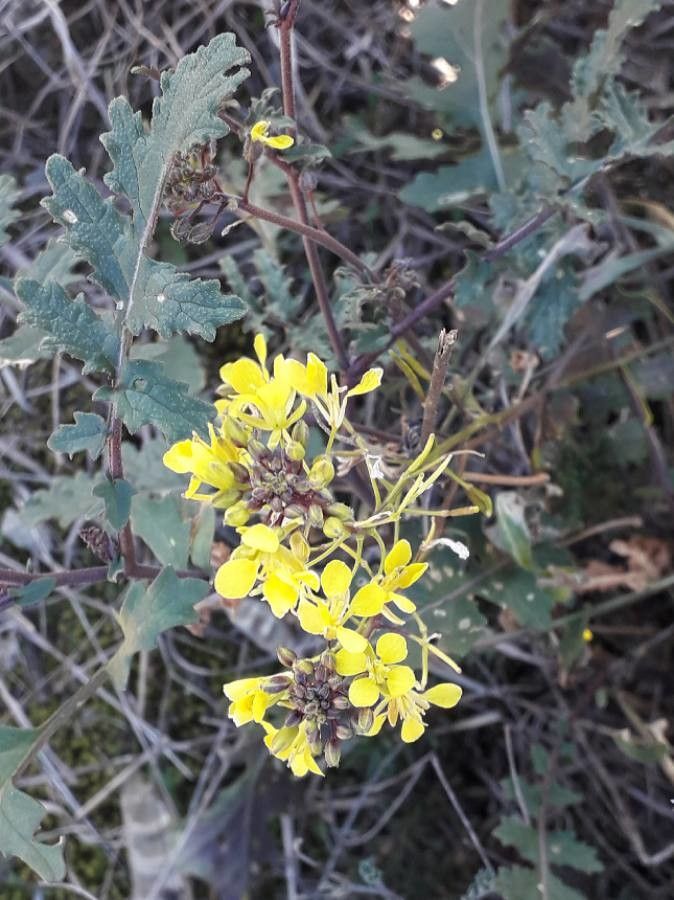
Unleashing the Power of Mustard: Propagating Erucastrum nasturtiifolium
Erucastrum nasturtiifolium, perhaps not a name that rolls off the tongue, but trust me, this plant deserves a spot in your garden. Commonly known as wallflower mustard or Nasturtium-leaved wallflower, this European native boasts beautiful, delicate yellow flowers and feathery foliage, adding a touch of whimsy to any landscape. But beyond its visual appeal, it also attracts beneficial insects, tolerates poor soil conditions, and even offers edible flowers with a peppery kick.
Intrigued? Then let’s talk about how to invite this charming plant into your life through propagation!
Two Roads to Wallflower Success: Seeds and Cuttings
1. Starting from Seed: The Beginner’s Guide
Propagating Erucastrum nasturtiifolium from seed is remarkably straightforward, making it a perfect option for even novice gardeners. Here’s what you need to do:
- Timing is Key: For best results, sow seeds directly outdoors after the last frost, or start them indoors 6-8 weeks before the last expected frost date.
- Sowing the Seeds: Scatter seeds on the surface of well-drained soil and lightly press them down. No need to bury them deeply! Aim for a spacing of 12-18 inches to allow for mature plant size.
- Patience is a Virtue: Keep the soil consistently moist but not waterlogged. Germination typically occurs within 1-3 weeks, depending on temperature and environmental conditions.
- Thinning the Herd: Once seedlings develop 2-3 sets of true leaves, thin them out to maintain proper spacing. Don’t discard the thinnings! These can be enjoyed in salads or as microgreens.
2. Taking Cuttings: For the More Adventurous Gardener
If you’re feeling a bit more adventurous, propagating Erucastrum nasturtiifolium from cuttings is another viable option, allowing you to create clones of established plants. Here’s the breakdown:
- Choosing the Right Time: Take cuttings in the spring or early summer from healthy, non-flowering stems.
- Making the Cut: Using a sharp, sterilized knife or pruning shears, cut a 4-6 inch section of stem just below a leaf node. Remove the lower leaves, leaving only a few at the top.
- Hormone Boost (Optional): While not strictly necessary, dipping the cut end in rooting hormone powder can increase the success rate.
- Creating the Ideal Environment: Plant the cuttings in a well-draining potting mix and place them in a warm, bright location out of direct sunlight.
- Nurturing New Growth: Keep the soil consistently moist and cover the cuttings with a plastic bag or humidity dome to maintain humidity. Roots should develop within 4-6 weeks.
- Transplanting to Freedom: Once rooted, carefully transplant the cuttings to individual pots or directly into the garden after hardening them off.
Erucastrum nasturtiifolium: A Low-Maintenance Delight
Regardless of your chosen propagation method, Erucastrum nasturtiifolium is a relatively low-maintenance plant. It prefers full sun to partial shade and well-drained soil. While drought tolerant, occasional watering will be appreciated, especially during dry spells.
More than just a pretty face, Erucastrum nasturtiifolium is a valuable addition to any pollinator-friendly garden. Its cheerful yellow flowers attract bees, butterflies, and other beneficial insects, contributing to a healthy ecosystem.
So, why wait? Unleash the power of mustard and give Erucastrum nasturtiifolium a try in your garden today!