
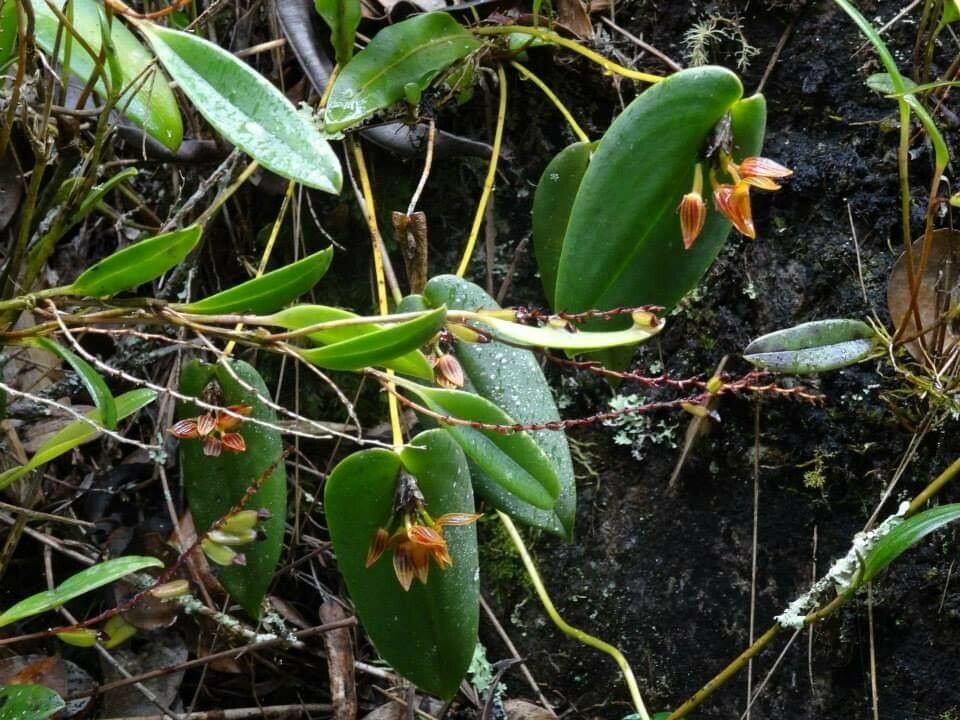
Tiny Jewels, Big Rewards: Unlocking the Secrets of Lepanthes Inescata Propagation
The miniature orchid world is filled with captivating species, but few capture the imagination quite like the Lepanthes. Among them, the Lepanthes inescata, with its delicate blooms and captivating foliage, stands out as a true gem. But cultivating these tiny jewels comes with a unique set of challenges, especially when it comes to propagation.
While not for the faint of heart, propagating Lepanthes inescata can be a rewarding journey for dedicated orchid enthusiasts. This article will equip you with the knowledge and techniques to successfully increase your collection of this exquisite orchid.
Understanding the Lepanthes Inescata:
Native to the rainforests of Ecuador, Lepanthes inescata thrives in humid, shaded environments. This epiphytic orchid clings to mossy branches and rocks, absorbing moisture and nutrients from the air and decaying organic matter. Understanding its natural habitat is key to replicating similar conditions for successful propagation.
Methods of Propagation:
Division: The most common and relatively straightforward method for Lepanthes inescata is division. Mature plants often produce multiple growths, forming clumps.
- Carefully remove the plant from its pot and gently tease apart the roots.
- Aim for divisions with at least 3-4 healthy growths to ensure their viability.
- Repot using a well-draining, airy medium (more on this below).
- Seed Propagation: Propagating from seed is considerably more challenging, requiring sterile conditions and specialized knowledge. However, it offers the potential for larger numbers and exciting variations.
- Lepanthes inescata seeds are dust-like and need to be sown on a sterile, nutrient-rich medium in a controlled environment like a flask.
- This method is often best left to experienced growers or commercial nurseries.
The Right Growing Medium:
Choosing the right growing medium is crucial for success. Lepanthes inescata requires excellent drainage and aeration to prevent root rot. A popular and effective mix consists of:
- Sphagnum moss: Provides excellent moisture retention.
- Fine bark chips: Enhances drainage and aeration.
- Perlite or pumice: Further improves drainage and prevents compaction.
Experiment with different ratios to find what works best in your environment. You can also opt for a semi-hydroponic setup using materials like LECA (Lightweight Expanded Clay Aggregate) for enhanced aeration.
Key Considerations for Success:
- Humidity: Maintaining high humidity levels (70-80%) is paramount. Use humidifiers, pebble trays, or create a humidity-controlled enclosure like a terrarium.
- Light: Provide bright, indirect light. Avoid direct sunlight, which can scorch the delicate leaves.
- Watering: Lepanthes inescata prefers consistently moist conditions but never soggy. Water frequently, allowing the medium to approach dryness between waterings.
- Temperature: Maintain temperatures within the 65-75°F (18-24°C) range for optimal growth.
- Patience: Propagating orchids, especially miniatures like Lepanthes inescata, takes time. Be patient and persistent, and you’ll be rewarded with new additions to your collection.
Propagating Lepanthes inescata is an exciting endeavor for orchid enthusiasts looking to expand their horticultural skills. By understanding the unique needs of this captivating species and employing the right techniques, you can successfully propagate these miniature jewels and enjoy their exquisite beauty for years to come.