
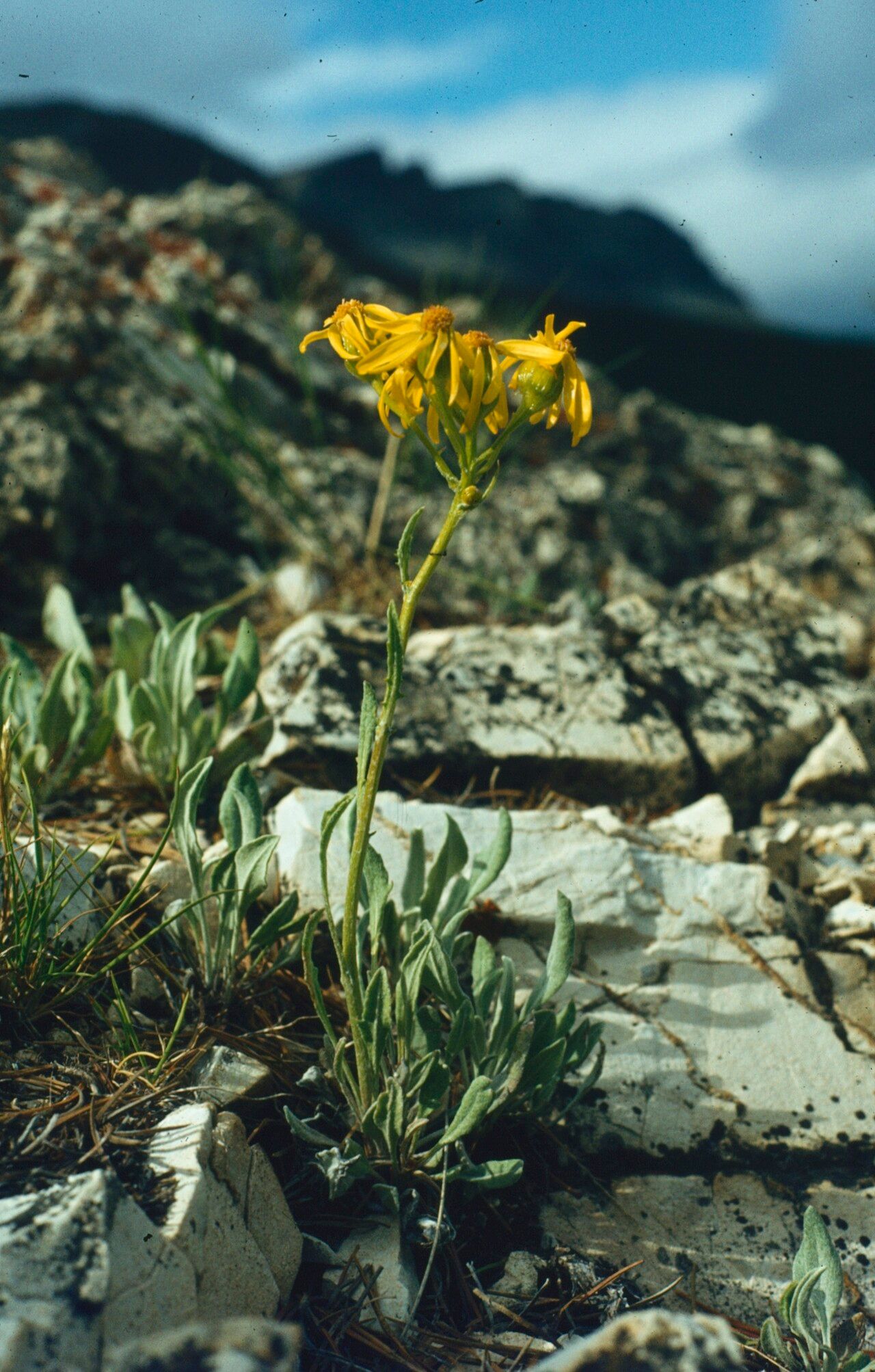
Unveiling the Secrets of Packera Cana Propagation: Grow Your Own Silver Carpet
Packera cana, also known as Woolly Groundsel or Silver Ragwort, is a charming alpine perennial that enchants gardeners with its velvety silver leaves and vibrant yellow blooms. Native to the western United States, this low-growing beauty flourishes in rock gardens, container plantings, and borders, adding a unique textural element to any landscape.
While acquiring Packera cana from nurseries is possible, propagating your own plants offers a rewarding sense of accomplishment and a chance to expand your collection. Fortunately, this resilient plant offers several methods for successful propagation, catering to both beginners and experienced gardeners alike.
1. Sow the Seeds:
Embrace the magic of starting fresh with seed propagation. Collect mature seeds from dried flower heads in late summer or purchase them from reputable suppliers.
- Timing is Key: Sow seeds indoors 6-8 weeks before the last expected frost in spring.
- Light Germination: Packera cana seeds require light for germination. Sprinkle seeds on a well-draining seed-starting mix and lightly press them into the surface, ensuring they receive ample sunlight.
- Moisture and Warmth: Maintain a consistently moist but not soggy environment. A temperature range of 65-70°F (18-21°C) is ideal for germination.
- Transplantation Time: Once seedlings develop a couple of true leaves, transplant them into individual pots or directly into your garden after the last frost has passed.
2. Divide and Conquer with Division:
Mature Packera cana plants readily form clumps, making division an effective and easy propagation method.
- Best Time to Divide: Early spring or late summer, when the plant is dormant or just beginning its growth cycle, are the optimal times for division.
- Gentle Separation: Carefully dig up the entire plant and gently tease apart the roots to separate individual crowns, ensuring each division has a good root system.
- Replanting: Replant the divisions at the same depth they were originally growing, spacing them about 12-18 inches (30-45 cm) apart. Water thoroughly and provide shade for a few days to help them acclimate.
3. Taking Cuttings:
Propagation from stem cuttings is another viable option, particularly for preserving the characteristics of specific cultivars.
- Selecting Stems: In late spring or early summer, choose healthy, non-flowering stems about 3-4 inches (7-10 cm) long. Remove the lower leaves and dip the cut end in rooting hormone (optional but beneficial).
- Planting the Cuttings: Insert the cuttings into a well-draining rooting mix or a mixture of peat moss and perlite. Keep the medium consistently moist.
- Promoting Root Development: Cover the cuttings with a plastic bag or humidity dome to create a warm and humid environment. This encourages faster root development. Once new growth appears, it indicates successful rooting. Gradually acclimate the cuttings to outdoor conditions before transplanting them.
Nurturing Your Packera Cana:
No matter your chosen propagation method, providing the right care is crucial for healthy plant establishment:
- Well-Drained Soil: Packera cana thrives in well-drained soil with a slightly acidic to neutral pH.
- Sunshine is Key: Choose a location with full sun to partial shade, aiming for at least 6 hours of direct sunlight daily for optimal growth and vibrant blooms.
- Watering Wisely: Water deeply but infrequently, allowing the soil to dry slightly between waterings.
- Deadheading Delights: Removing spent flower heads will encourage continuous blooming and prevent unwanted self-seeding.
With a bit of patience and care, you can propagate Packera cana and enjoy its silver-leaved charm throughout your garden. Whether you choose seeds, division, or cuttings, the journey of propagation will undoubtedly deepen your connection with this captivating alpine wonder.