
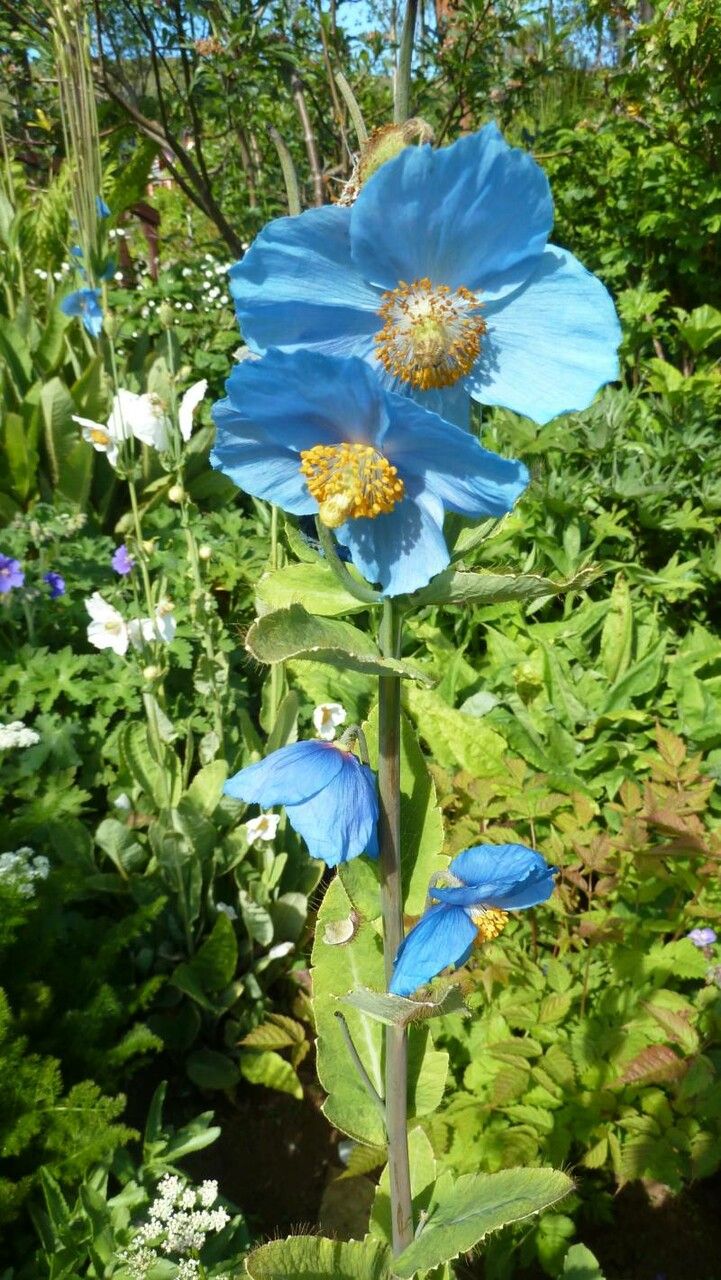
Taming the Elusive Beauty: Propagating the Himalayan Blue Poppy (Meconopsis grandis)
The Himalayan Blue Poppy, Meconopsis grandis, with its breathtaking, sky-blue blooms, is the holy grail for many gardeners. Native to the high altitudes of the Himalayas, this ethereal beauty evokes a sense of wonder and a touch of mystique. But cultivating this queen of the alpine realm is not for the faint of heart. Propagating Meconopsis grandis is a rewarding challenge, demanding patience, skill, and a touch of the magic that seems to follow these flowers.
This comprehensive guide delves into the different methods of propagating this captivating plant, empowering you to nurture these blue wonders in your garden.
Two Paths to Glory: Seed vs. Division
While Meconopsis grandis can be propagated through division, the preferred and most successful method is by seed.
1. The Art of Seed Propagation
- Seed Collection: Patience is key, as seeds are best sown fresh. Collect seed pods as they turn from green to brown in late summer.
- Sowing the Seeds: Sow seeds in late winter or early spring. Use a seed-starting mix formulated for alpine plants and sprinkle the seeds on the surface. Don’t bury them, as light aids germination.
- Creating the Ideal Environment: Place the seed trays in a cold frame or a sheltered outdoor location, providing protection from frost. Maintaining a cool, humid environment is crucial.
- Germination: Be prepared for a waiting game! Germination can take anywhere from a few weeks to several months. Once seedlings emerge, thin them to ensure proper spacing.
- Transplanting: When seedlings are large enough to handle, transplant them into individual pots filled with a well-draining, slightly acidic soil mix.
2. Division: A Risky Affair
Dividing Meconopsis grandis is possible but often less successful as the plants resent root disturbance. If you choose this route, proceed with caution:
- Timing is Key: Divide plants in early spring when new growth begins to emerge.
- The Gentle Approach: Carefully lift the plant from the ground and gently separate the crown into sections, ensuring each division has healthy roots and shoots.
- Replanting: Replant the divisions immediately, handling the roots with care.
Nurturing Your Blue Poppy Progeny
- The Right Abode: Meconopsis grandis thrive in cool, humid climates with partial shade. Excellent drainage is crucial to prevent root rot.
- Watering Wisely: Maintaining consistent moisture is crucial, especially during the growing season. However, avoid overwatering, which can lead to root problems.
- Feeding for Success: Apply a balanced, slow-release fertilizer in spring to support healthy growth and blooming.
Troubleshooting: Common Challenges
- Damping-off: This fungal disease can affect seedlings. Prevent it by ensuring good air circulation and avoiding overwatering.
- Slugs and Snails: These pests are attracted to the tender foliage. Create barriers or use organic pest control methods to protect your plants.
Propagating Meconopsis grandis is a journey that requires patience and dedication. But the reward of seeing these exquisite blue blossoms gracing your garden is well worth the effort. So, embrace the challenge and let the magic of the Himalayan Blue Poppy unfold in your own backyard.