
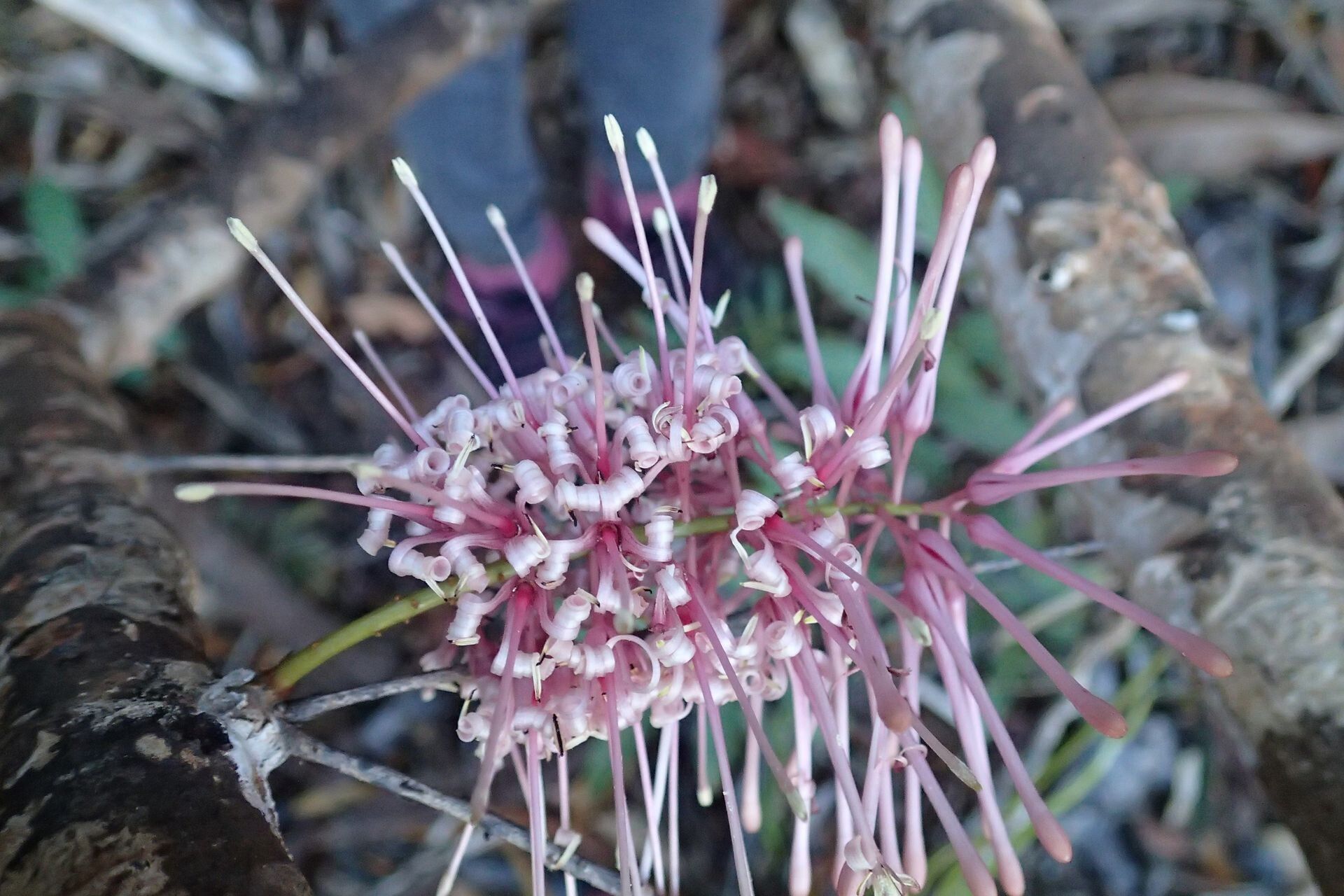
Unlocking the Secrets of Virotia angustifolia: A Propagation Guide
Virotia angustifolia, a rainforest gem hailing from New Caledonia, is not your average houseplant. With its striking foliage and intriguing history, it’s no wonder plant enthusiasts are eager to learn the art of propagating this botanical treasure. However, Virotia angustifolia can be a bit temperamental, and success requires understanding its unique needs. So, let’s delve into the secrets of multiplying this captivating species!
Understanding the Challenge:
Unlike many common houseplants, Virotia angustifolia rarely produces viable seeds in cultivation. This limitation makes vegetative propagation, or using plant parts to grow new individuals, the most reliable approach.
Two Paths to Propagation:
Stem Cuttings: This method involves taking a section of healthy stem and encouraging it to develop roots.
Timing is Key: The best time for taking cuttings is during the active growing season – spring and early summer. Look for stems that are firm, not woody, and showing new growth.
Making the Cut: Using a sharp, sterilized blade, cut a 4-6 inch section of stem just below a leaf node (the point where a leaf emerges). Remove the lower leaves, leaving 2-3 at the top.
Rooting Hormones: While optional, dipping the cut end in a rooting hormone powder can increase the chances of success.
The Rooting Environment: Plant the cutting in a well-draining potting mix, burying the bottom node. Maintain high humidity by covering the pot with a plastic bag or placing it in a propagator.
- Patience is a Virtue: Keep the soil consistently moist but not waterlogged, and provide bright, indirect light. Rooting can take several weeks to a few months.
Air Layering: This technique is more complex but offers a higher success rate, especially with mature, woody stems.
Choosing the Branch: Select a healthy branch with a diameter of at least half an inch.
Wounding the Branch: Make a 1-2 inch upward cut about a foot from the branch tip, cutting about halfway through the stem. Dust the wound with rooting hormone.
Creating the Rooting Environment: Wrap the wound with moist sphagnum moss and enclose it in plastic wrap, securing both ends tightly.
Waiting Game: Check the moss regularly to ensure it stays moist. After several weeks to months, roots should be visible through the plastic.
- Separation and Potting: Once roots have developed a strong network, cut the branch below the root ball and pot it in a well-draining mix.
Nurturing New Growth:
Regardless of the method, once your Virotia angustifolia cuttings or air layers show signs of new growth, you’re on the right track! Gradually acclimate them to normal humidity levels and continue to provide bright, indirect light and consistent moisture.
Propagating Virotia angustifolia is undeniably a labor of love. It demands patience, careful attention, and a dash of botanical finesse. But the reward of nurturing these rare and beautiful plants from cuttings or air layers is immensely satisfying for any plant aficionado.