
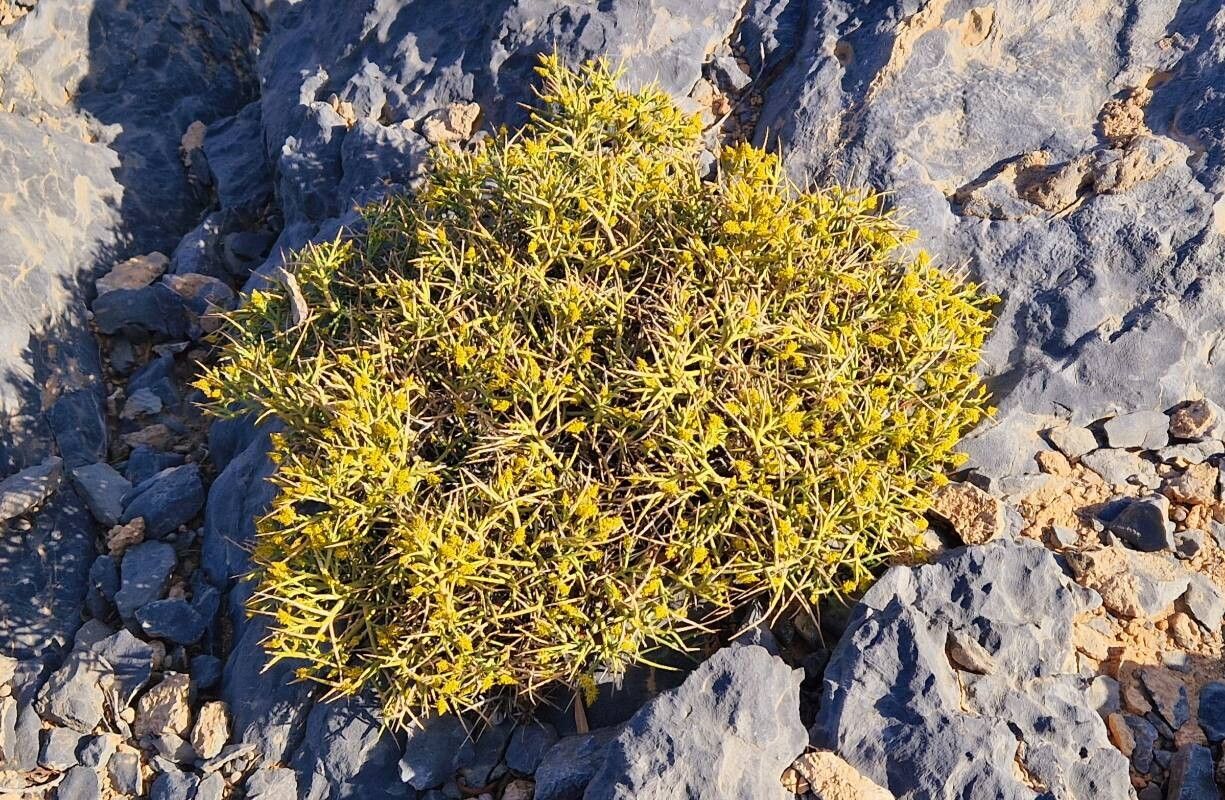
Sweet Success with the Salty Bead: Propagating Ochradenus baccatus
Ochradenus baccatus, also known as the sweet berry or saltbush, is a fascinating shrub native to desert regions. Known for its tolerance to harsh conditions and its sweet, edible berries, it’s a unique addition to gardens in arid climates. If you’re looking to add this resilient and unusual plant to your landscape, propagation is surprisingly achievable. Let’s explore the methods to bring the magic of Ochradenus baccatus to your own backyard.
Understanding the Plant:
Before venturing into propagation, it’s helpful to understand the unique nature of Ochradenus baccatus. This deciduous shrub thrives in dry, saline soils where other plants struggle. It produces small, inconspicuous flowers that give way to fleshy, white berries, known for their intensely sweet taste. These berries are an important food source for wildlife and have a long history of human consumption.
Propagation Methods:
Ochradenus baccatus can be propagated by both seeds and cuttings. Each method has its pros and cons, offering flexibility depending on your resources and preferences:
1. Seed Propagation:
- Collecting Seeds: The best time to collect seeds is in late summer or early fall when the berries are fully mature. Look for plump, white berries free from any damage.
- Seed Preparation: Gently crush the berries and separate the seeds. Soaking the seeds in water for 24 hours before sowing can aid germination.
- Sowing: Plant seeds in well-draining potting mix, covering them lightly with soil.
- Environment: Place the seed tray in a warm, sunny location, keeping the soil consistently moist but not waterlogged.
- Germination: Be patient! Sweet berry seeds can be slow to germinate, sometimes taking several weeks or even months to sprout.
2. Propagation by Cuttings:
- Timing is Key: The ideal time for taking cuttings is during the plant’s active growing season, typically in spring or early summer.
- Selecting Cuttings: Choose healthy, non-flowering stems that are about 4-6 inches long.
- Preparing Cuttings: Remove the lower leaves from the cuttings, leaving just a few leaves at the top. Dipping the cut end in rooting hormone can enhance success rates.
- Planting: Plant the prepared cuttings in a pot filled with a well-draining potting mix.
- Creating a Humid Environment: Cover the pot with a plastic bag or use a propagation dome to create a warm, humid environment that promotes root development.
- Rooting: After several weeks, gently tug on the cuttings; resistance indicates successful rooting.
Transplanting:
Once your seedlings or cuttings have developed a strong root system and have reached a height of several inches, they can be transplanted into larger pots or directly into the ground. Remember to choose a sunny location with well-draining soil.
Caring for Your Sweet Berry Plant:
Ochradenus baccatus is a low-maintenance plant that thrives in neglect. Once established, it requires minimal watering and is highly tolerant of drought and poor soil conditions.
By following these propagation techniques, you can successfully cultivate this unique and valuable desert treasure. The sweet rewards of fresh berries and the satisfaction of growing a resilient, drought-tolerant plant will be well worth the effort.