
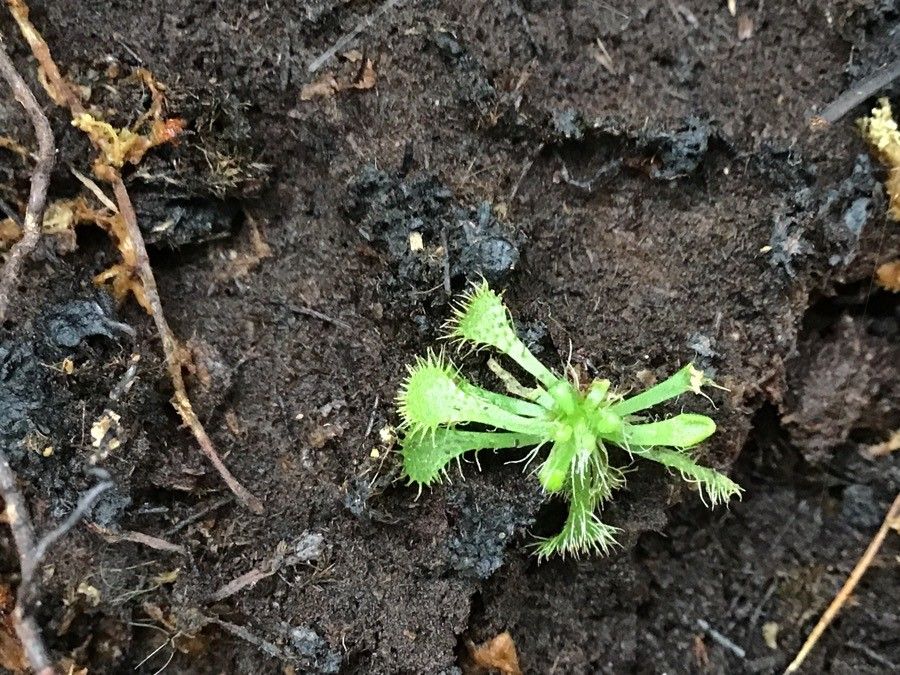
Multiply Your Mini Marvels: Propagating the Pink Sundew (Drosera Capillaris)
The world of carnivorous plants is captivating, and among them, the Drosera capillaris, commonly known as the Pink Sundew, stands out as a shimmering jewel. This delicate yet deadly beauty lures unsuspecting insects with its glistening, sticky traps, making it a fascinating addition to any plant enthusiast’s collection. But did you know that expanding your collection of these tiny predators is easier than you think? Let’s delve into the exciting world of Drosera Capillaris propagation!
Why Propagate?
Propagation is like unlocking the plant parent superpower! It allows you to multiply your plant babies, share them with friends, or simply ensure their survival for years to come. Luckily, Drosera Capillaris offers a few different methods for propagation, each with its own set of benefits.
Method 1: Seed Propagation
This method offers the satisfaction of witnessing the entire lifecycle of your Drosera Capillaris. Here’s how:
- Obtain Seeds: You can collect seeds from mature flower stalks of your existing plant or purchase them from reputable carnivorous plant retailers.
- Prepare the Potting Medium: These sundews thrive in a nutrient-poor environment. Use a mix of sphagnum peat moss and perlite or silica sand, ensuring good drainage.
- Sow the Seeds: Sprinkle the seeds onto the damp potting mix. Don’t bury them – light is essential for germination.
- Provide Humidity and Light: Place the pot in a brightly lit location, out of direct sunlight. Use a humidity dome or cover the pot with a clear plastic bag to maintain high humidity levels.
- Wait and Watch: Germination can take several weeks. Once the seedlings are large enough to handle, carefully transplant them into individual pots.
Method 2: Leaf Cuttings
For a quicker propagation method, leaf cuttings are the way to go:
- Select Healthy Leaves: Choose healthy, mature leaves from a thriving Drosera Capillaris.
- Cut Carefully: Using sterilized scissors or a sharp knife, cut the leaf as close to the base as possible.
- Prepare the Potting Medium: Use the same mixture as for seed propagation – sphagnum peat moss and perlite or silica sand.
- Position the Leaf: Lay the leaf flat on the damp potting medium, ensuring good contact. You can secure it with toothpicks if needed.
- Provide Humidity and Light: Just like with seeds, maintain high humidity and bright, indirect light.
- Watch for Plantlets: After a few weeks, tiny plantlets will emerge from the cut leaf. Once they develop roots and a few leaves, carefully separate them and pot them individually.
Method 3: Root Division
Mature Drosera Capillaris often develop multiple growth points, making division a viable propagation method:
- Remove from Pot: Gently remove the plant from its pot and carefully loosen the soil around the roots.
- Divide the Plant: Identify the natural division points where multiple growth points are present. Using clean scissors or your fingers, carefully separate the plant into sections, ensuring each section has a healthy root system.
- Repot: Plant each section in individual pots with the appropriate potting mix, ensuring the crown of the plant sits slightly above the soil line.
- Water and Care: Water thoroughly and provide the same care as established Drosera Capillaris.
Final Tips for Success
- Water with distilled water or rainwater: Tap water can contain minerals harmful to carnivorous plants.
- Don’t fertilize: These plants are adapted to nutrient-poor environments and get their nutrients from captured insects.
- Be patient: Propagation takes time. Don’t be discouraged if you don’t see results immediately.
Propagating Drosera Capillaris is a rewarding experience, offering a glimpse into the fascinating world of carnivorous plants. With a little patience and care, you can expand your collection and watch these miniature marvels thrive!