
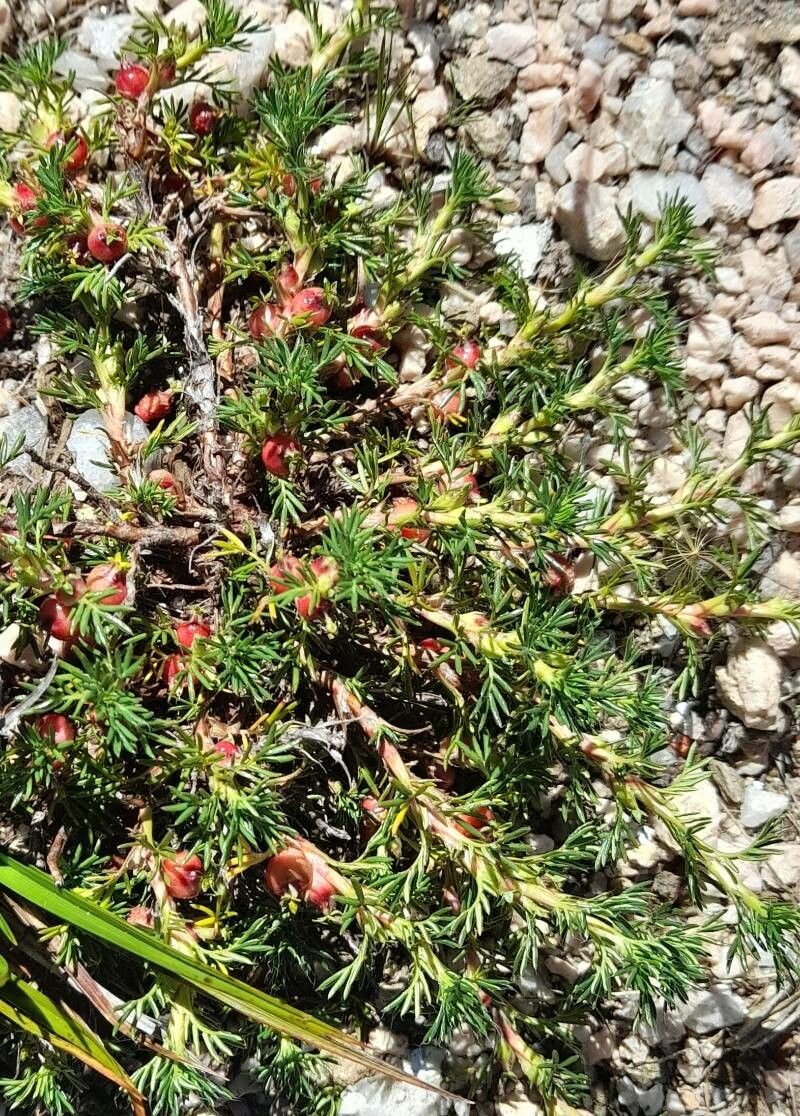
Taming the Patagonian Pincushion: Propagating Margyricarpus pinnatus
The Margyricarpus pinnatus, also known as the Patagonian Pincushion, is a small shrub with a delightful secret: though easily mistaken for a conifer at first glance, it actually boasts delicate white flowers and pearly white berries. Native to the harsh landscapes of Patagonia, this resilient and unique plant is gaining popularity for its captivating texture and low-maintenance nature. If you’re ready to welcome this fascinating species into your garden, follow our guide to propagating Margyricarpus pinnatus!
Two Routes to Success: Seed vs. Cuttings
The Patagonian Pincushion can be propagated through two primary methods: seeds and cuttings. Both have their own set of pros and cons, so let’s explore each in detail:
1. Seed Propagation:
- Harvesting: Collect the small, white berries from an established plant in late summer or early fall. Gently crush the berries to reveal the tiny seeds within.
- Sowing: Sow the seeds in a well-draining seed starting mix during the fall. Be patient, as germination can take several weeks to a few months.
- Cultivation: Keep the soil consistently moist but not waterlogged. Once seedlings emerge, provide them with bright, indirect sunlight.
- Pros: Relatively easy and inexpensive, allows for greater genetic diversity.
- Cons: Can be slower than propagation from cuttings, germination rates can be variable.
2. Cuttings Propagation:
- Timing & Selection: Take semi-hardwood cuttings from healthy, non-flowering stems in late spring or early summer. Ideally, each cutting should be 4-6 inches long.
- Preparation: Remove the lower leaves from the cutting, leaving only a few at the top. Dip the cut end in rooting hormone to encourage faster root development.
- Planting: Plant the cuttings in a well-draining potting mix, ensuring the nodes where leaves were removed are buried.
- Environment: Keep the cuttings in a warm, humid environment with bright, indirect light. A humidity dome or propagating box can be beneficial.
- Pros: Generally faster than seed propagation, produces a plant genetically identical to the parent plant.
- Cons: Requires a bit more skill and attention, success rate can be influenced by various factors.
Tips for Triumph: Essential Advice for Either Method
No matter your chosen method, these tips will help ensure your propagation success:
- Well-draining Soil: The Patagonian Pincushion hates soggy roots, so using a well-draining potting mix or adding perlite/sand to your soil is crucial.
- Patience is Key: Whether you’re dealing with seeds or cuttings, remember that propagation takes time. Don’t be discouraged if you don’t see results immediately.
- Gradual Acclimation: Once your seedlings or cuttings are established, gradually acclimate them to outdoor conditions before transplanting them into the garden.
The Rewards of Your Labor:
Successfully propagating your own Margyricarpus pinnatus is incredibly rewarding. Not only will you expand your plant family with this unique and intriguing species, but you’ll also gain the satisfaction of nurturing new life. So roll up your sleeves, gather your materials, and embark on the fulfilling journey of propagating the Patagonian Pincushion!