
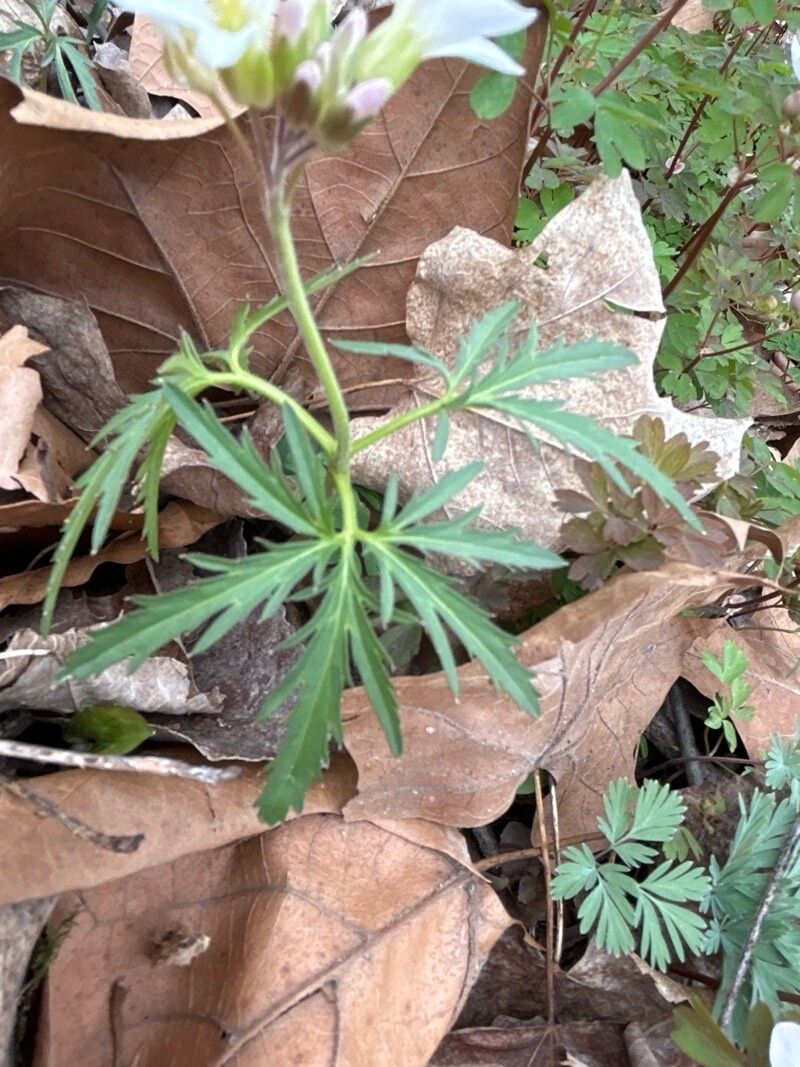
Unearthing the Secrets to Propagating Cutleaf Toothwort (Cardamine concatenata)
Cutleaf toothwort (Cardamine concatenata), also known charmingly as crow’s toes or pepper root, is a delightful early spring ephemeral wildflower. This woodland native boasts delicate white to pinkish flowers and unique, deeply-cut leaves. While it graces our forests naturally, you might be interested to know that cultivating this ephemeral beauty in your own garden is surprisingly achievable. Let’s unearth the secrets of propagating Cutleaf toothwort!
Two Paths to Propagation:
Cutleaf toothwort can be propagated through two main methods: seeds and division. Each has its own advantages and success rates, so understanding both will empower you to choose the best approach for your gardening style:
1. The Magic of Seeds:
Collecting the Goods: Keep a watchful eye out for the appearance of slender seed pods following the bloom period in spring. Once these pods turn pale green and plump, they’re ready for harvesting. Be sure to act quickly, as they can burst open and scatter seeds unexpectedly.
Sowing for Success: Cutleaf toothwort seeds exhibit best germination rates with cold stratification, mimicking their natural life cycle. You can achieve this by sowing seeds outdoors in prepared soil during the fall, allowing winter’s chill to work its magic. Alternatively, try cold-stratifying seeds in your refrigerator for 4-6 weeks before sowing in seed trays indoors.
- Patience is Key: Germination can take several weeks to months, so don’t lose hope if sprouts don’t appear immediately. Maintain consistent moisture and dappled sunlight once seedlings emerge.
2. The Efficiency of Division:
Timing is Everything: For the best outcome, divide established clumps of Cutleaf toothwort in early spring or fall when the plant is dormant.
Divide and Conquer: Carefully dig around a healthy clump, ensuring you lift the entire root system. Gently tease apart the plant into smaller sections, each containing a good amount of roots and shoots.
- Transplanting for Thriving: Replant the divisions at the same depth they were originally growing, ensuring proper spacing for growth. Water thoroughly and maintain consistent moisture as they establish.
Creating an Ideal Habitat:
Regardless of your chosen propagation method, replicating Cutleaf Toothwort’s preferred growing conditions is crucial for success. These woodland natives thrive in:
Partial Shade: Mimic their natural woodland habitat by planting in an area that receives dappled sunlight or morning sun with afternoon shade.
Moist, Well-Drained Soil: Amend your soil with organic matter like leaf mold or compost to retain moisture while ensuring good drainage.
- Let it Be! Cutleaf Toothwort is a low-maintenance plant. Once established, it generally requires minimal watering, especially in shaded areas.
Propagating with Purpose:
By learning the art of propagating Cutleaf Toothwort, you’re not simply adding beauty to your garden. You’re playing a part in preserving a native wildflower and contributing to the ecological balance of your local environment. So go forth, propagate with purpose, and enjoy the delicate charm these wildflowers bring to your own slice of nature!