
Taming the Golden Beard: Propagating Chrysopogon gryllus for a Lush, Low-Maintenance Lawn
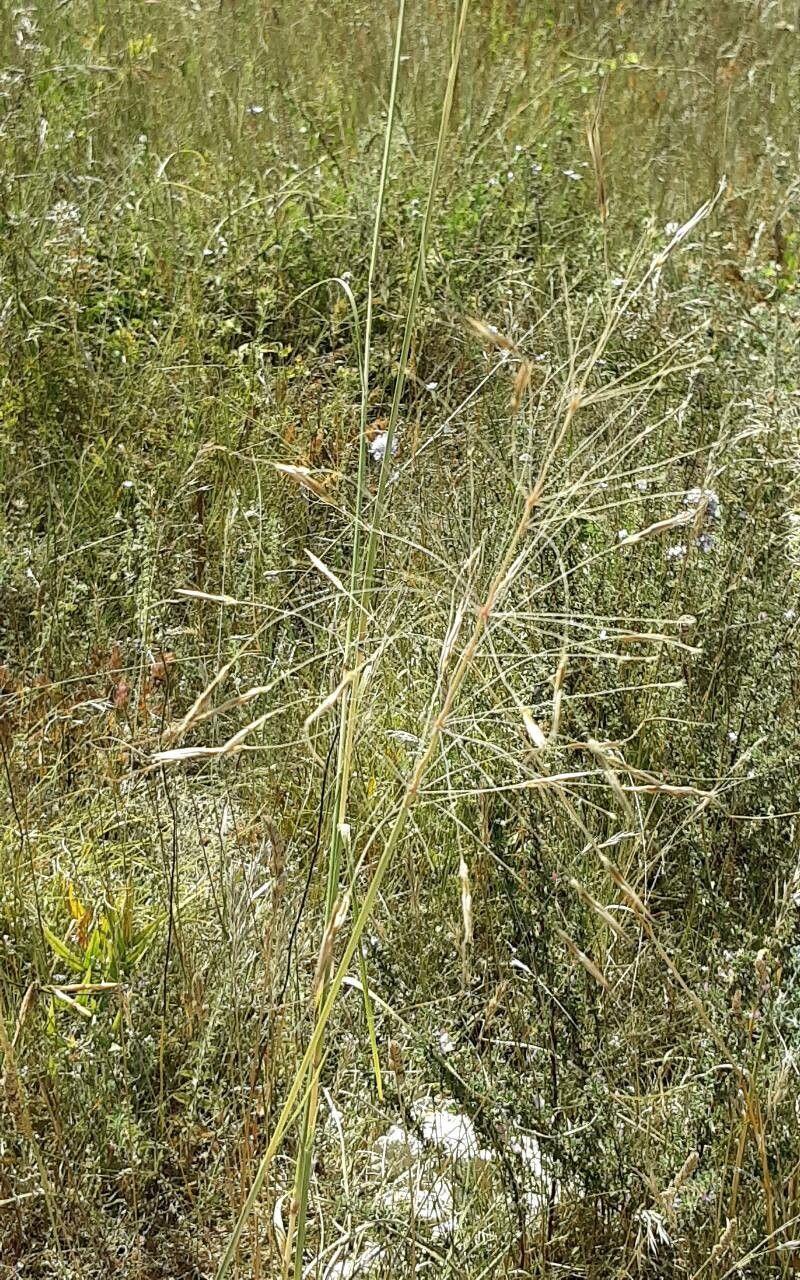
Chrysopogon gryllus, otherwise known as golden beard grass, is a beautiful and resilient ornamental grass gaining popularity for its unique aesthetic and low-maintenance nature. This European native, with its delicate, golden-hued seed heads, thrives in a wide range of climates and adds a touch of whimsical charm wherever it’s planted.
If you’re interested in introducing this delightful grass to your garden, you might be wondering about the best methods for propagation. Luckily, Chrysopogon gryllus can be propagated in a few different ways, each with its own advantages and levels of difficulty.
Let’s dive into the world of golden beard grass propagation and explore the options:
1. Seed Propagation:
- When: Spring or early fall.
- Pros: Cost-effective, great for large-scale planting.
- Cons: Can be slow, requires patience for germination.
Starting Chrysopogon gryllus from seed is an adventure in patience, but it’s incredibly rewarding. Here’s how:
- Collect seeds: You can harvest mature seeds directly from existing plants in the fall or purchase them from reputable suppliers.
- Prepare your pots: Use a well-draining seed starting mix and water it thoroughly.
- Sow the seeds: Sprinkle seeds evenly over the surface and lightly press them in, ensuring they have good contact with the soil.
- Provide warmth and light: Place your pots in a warm, sunny location, or utilize a heat mat to encourage germination.
- Keep them moist: Until germination occurs (which can take 2-4 weeks), maintain consistent moisture by misting the soil surface regularly.
- Transplanting: Once seedlings are a few inches tall, harden them off gradually and transplant them to your desired location.
2. Division:
- When: Spring or early fall.
- Pros: Relatively quick, ensures successful establishment.
- Cons: Requires existing plants.
Dividing established Chrysopogon gryllus clumps is a reliable method for propagation. Follow these simple steps:
- Prepare your new planting site: Ensure it has well-drained soil and receives ample sunlight.
- Lift the clump: Carefully dig around the perimeter of a mature clump, loosening the soil with a garden fork.
- Divide the clump: Using a sharp knife or spade, divide the clump into smaller sections, ensuring each section has a healthy root system.
- Transplant the divisions: Plant each division at the same depth they were previously growing and water thoroughly.
3. Plugs:
- When: Spring or fall.
- Pros: Convenient, offers a head start on growth.
- Cons: More expensive than other methods.
Chrysopogon gryllus plugs can be purchased from nurseries and garden centers, offering a more mature and established plant for your efforts.
Planting plugs is straightforward:
- Water the plugs: Soak the plugs in water for about 30 minutes before planting to hydrate the roots.
- Dig your holes: Space your planting holes according to the mature size of the grass, generally 1-2 feet apart.
- Plant and backfill: Gently place each plug into the hole and backfill with soil, ensuring the base of the plant sits level with the surrounding ground.
- Water thoroughly: Provide a deep watering to help the roots establish in their new home.
Caring for your new Chrysopogon gryllus:
Regardless of the propagation method you choose, providing proper care ensures your golden beard grass thrives:
- Sunlight: Aim for at least 6 hours of direct sunlight per day.
- Soil: Well-drained soil is crucial to prevent root rot.
- Water: Water deeply but infrequently, allowing the soil to dry slightly between watering.
- Fertilizer: Chrysopogon gryllus is a light feeder. A light application of slow-release fertilizer in spring is typically sufficient.
With a bit of patience and care, you can successfully propagate your own Chrysopogon gryllus, enjoying its beautiful texture and graceful movement for years to come. So why not embrace its unique charm and add a touch of golden elegance to your outdoor space?