
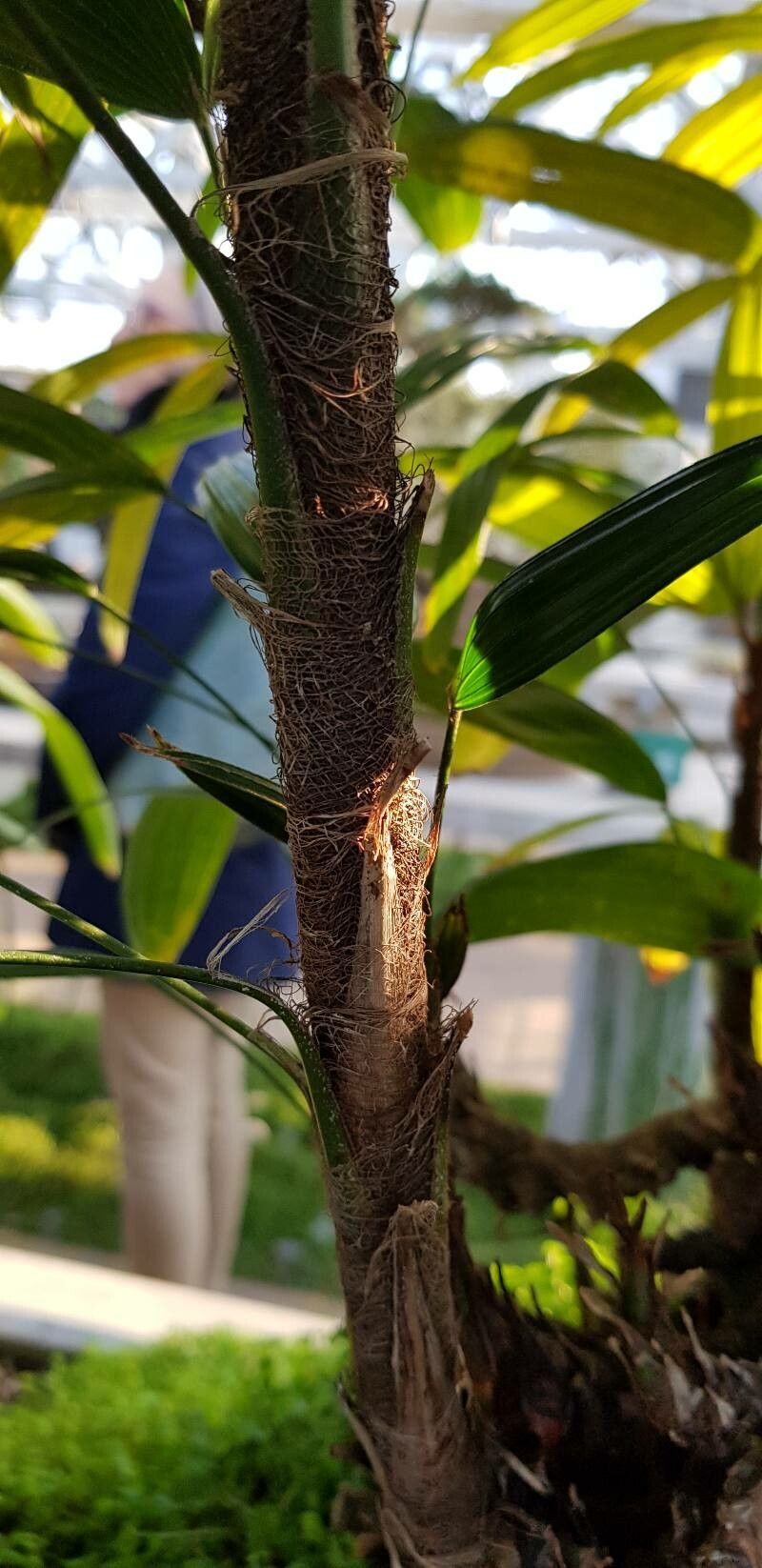
Multiply Your Majesty: Propagating Your Rhapis Excelsa Like a Pro
The Rhapis Excelsa, also known as the Lady Palm, is a popular choice for indoor spaces thanks to its elegance, hardiness, and air-purifying qualities. But what if you want more of this majestic plant without breaking the bank? This is where propagation comes in, allowing you to expand your plant family with just a little bit of know-how.
Understanding the Lady:
Before we delve into the propagation methods, it’s helpful to understand a bit about the Rhapis Excelsa. Unlike some plants that propagate easily from cuttings, this palm grows in clumps and multiplies through underground rhizomes. This means the most effective way to propagate them is through division.
Division: The Winning Strategy
Don’t worry, “division” sounds more intimidating than it actually is. Here’s a step-by-step guide:
1. Timing is Everything:
The optimal time for dividing your Rhapis Excelsa is during its active growing season, which is typically in spring. This allows the separated sections to establish themselves quickly in their new pots.
2. Preparation is Key:
- Choose Your Weapon: You’ll need a sharp, clean knife or a hand saw (for larger clumps) to ensure clean cuts and minimize stress to the plant.
- Potting Mix: Prepare a well-draining potting mix. A good starting point is a mixture of peat moss, perlite, and potting soil.
3. The Big Divide:
- Carefully remove the mother plant from its pot.
- Loosen the soil around the roots to get a clearer picture of the clump structure.
- Identify natural division points: Look for areas where the plant has already started to form separate clusters of stems.
- Using your sharp tool, carefully cut through the rhizomes, ensuring each division has a good amount of roots and at least 2-3 healthy canes (stems).
4. Potting Up Your New Recruits:
- Choose pots that are slightly larger than the root ball of each division.
- Place a layer of drainage material at the bottom of each pot.
- Fill the pots with your prepared potting mix, creating a small mound in the center.
- Position each division on the mound, ensuring the top of the root ball is level with the rim of the pot.
- Fill the remaining space with potting mix, gently firming it around the roots.
5. Aftercare Makes All the Difference:
- Water thoroughly: After potting, give your new divisions a good watering to settle the soil and encourage root establishment.
- Indirect Light: Place the newly potted divisions in a location with bright, indirect light. Avoid direct sunlight, which can scorch the leaves.
- Moderate Watering: Keep the soil consistently moist but not waterlogged. Overwatering can lead to root rot.
- Patience is a Virtue: It may take a few weeks for your new divisions to adjust and show signs of new growth. Once they do, you can gradually introduce a balanced liquid fertilizer to promote healthy development.
Propagation by Seed: A Test of Patience
While division is the most common and effective method, Rhapis Excelsa can also be propagated by seed. However, this method is less reliable and more time-consuming. If you’re up for the challenge, seeds can be sown in a well-draining seed starting mix and kept consistently moist. Be patient, as germination can take several months.
Conclusion:
Propagating your Rhapis Excelsa is a rewarding way to expand your indoor jungle and share your love for this elegant palm. By following these simple steps and exercising a little patience, you’ll be rewarded with new, vibrant plants that will grace your home with their timeless beauty for years to come.