
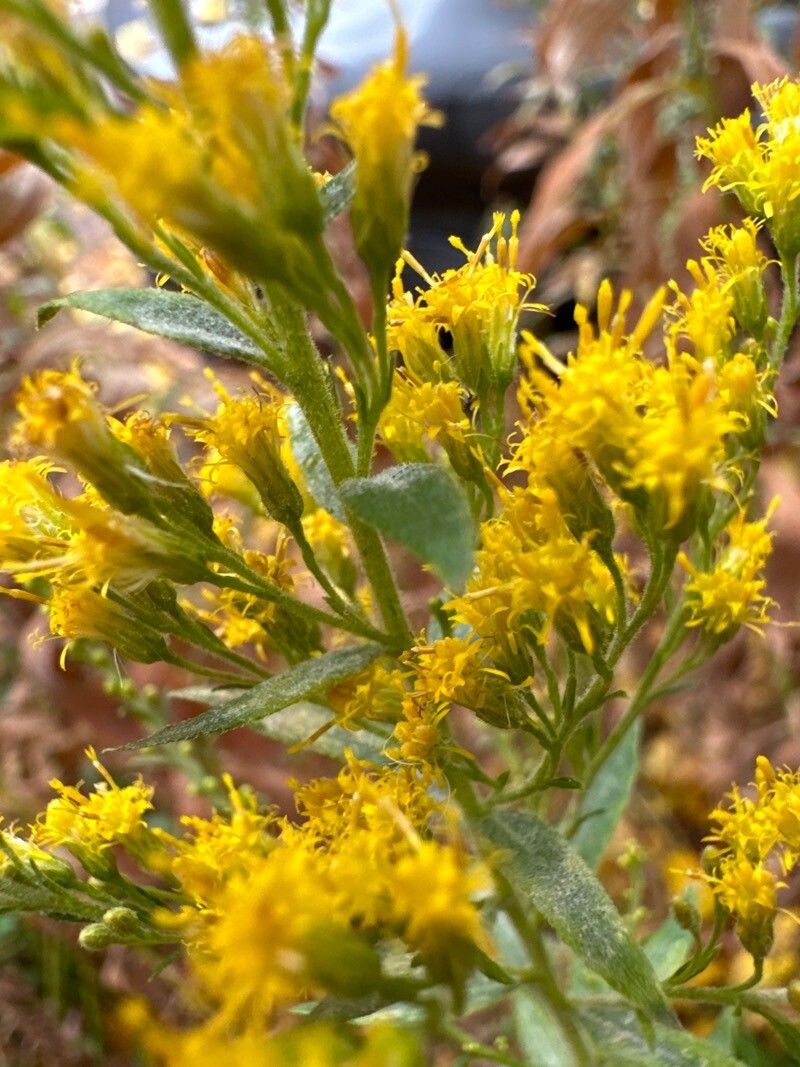
Goldenrod Galore: Multiply Your Solidago velutina and Brighten Your Garden
Solidago velutina, commonly known as velvety goldenrod or black-stemmed goldenrod, is a vibrant wildflower native to North America. Its plumes of sunshine yellow flowers add a welcome burst of late summer color to meadows, prairies, and gardens alike. If you’re lucky enough to have this beauty gracing your yard, or are considering adding it to your landscape, you might be wondering how to get more of this cheerful plant. Look no further! This guide will walk you through the process of propagating Solidago velutina, turning one golden treasure into many.
Methods for Success:
Solidago velutina is generally easy to propagate, giving you a high chance of success even as a beginner gardener. Here are the most effective methods:
1. Division:
This is the easiest and arguably most successful method, best done in early spring or fall.
- Timing is key: Dividing in early spring, just as new growth emerges, allows the divisions to establish themselves throughout the growing season. Fall division, after flowering, allows the plants to settle in before winter dormancy.
- Gentle hands: Carefully dig up a mature clump, ensuring you get a good root mass. Using a sharp, clean spade or garden knife, divide the clump into sections, each containing healthy roots and shoots.
- Replant and water: Replant the divisions at the same depth they were originally growing, spacing them about 1-2 feet apart. Water deeply and keep the soil consistently moist until the divisions are established.
2. Seed Collection and Sowing:
While slightly less predictable than division, growing Solidago velutina from seed can be a rewarding experience.
- Timing is everything: Collect seeds in late fall after the flowers have faded and the seed heads have dried. You can store them in a cool, dry place until you’re ready to sow.
- Direct sowing: In mild climates, sow seeds directly outdoors in the fall. Scatter the seeds on prepared soil and lightly rake them in.
- Starting indoors: For a head start, sow seeds indoors 6-8 weeks before the last frost. Use a seed-starting mix and sow seeds at a depth of ¼ inch. Provide ample light and keep the soil lightly moist. Transplant the seedlings outdoors after the last frost.
3. Taking Cuttings:
While not as common, Solidago velutina can be propagated from basal cuttings taken in late spring.
- Choose wisely: Select healthy, non-flowering stems and cut a 4-6 inch section just above a leaf node. Remove the lower leaves, leaving a few at the top.
- Rooting hormone boost: Dip the cut end in rooting hormone to encourage faster root development (optional but helpful).
- Plant and wait: Plant the cuttings in a well-draining potting mix and place them in a warm, humid environment. Keep the soil evenly moist. Roots should develop in a few weeks. Once rooted, transplant them to larger containers or directly into the garden.
Tips for Golden Success:
- Solidago velutina thrives in full sun to partial shade and well-drained soil.
- It is a relatively drought-tolerant plant once established but will benefit from regular watering during its first year.
- Deadheading spent flowers can prolong the blooming period and prevent unwanted self-seeding.
Propagating your own Solidago velutina is not only a cost-effective way to increase your plant collection, but it also allows you to share the beauty of this native wildflower with others. With a little effort and patience, you can enjoy the cheerful golden glow of Solidago velutina in your garden for years to come.