
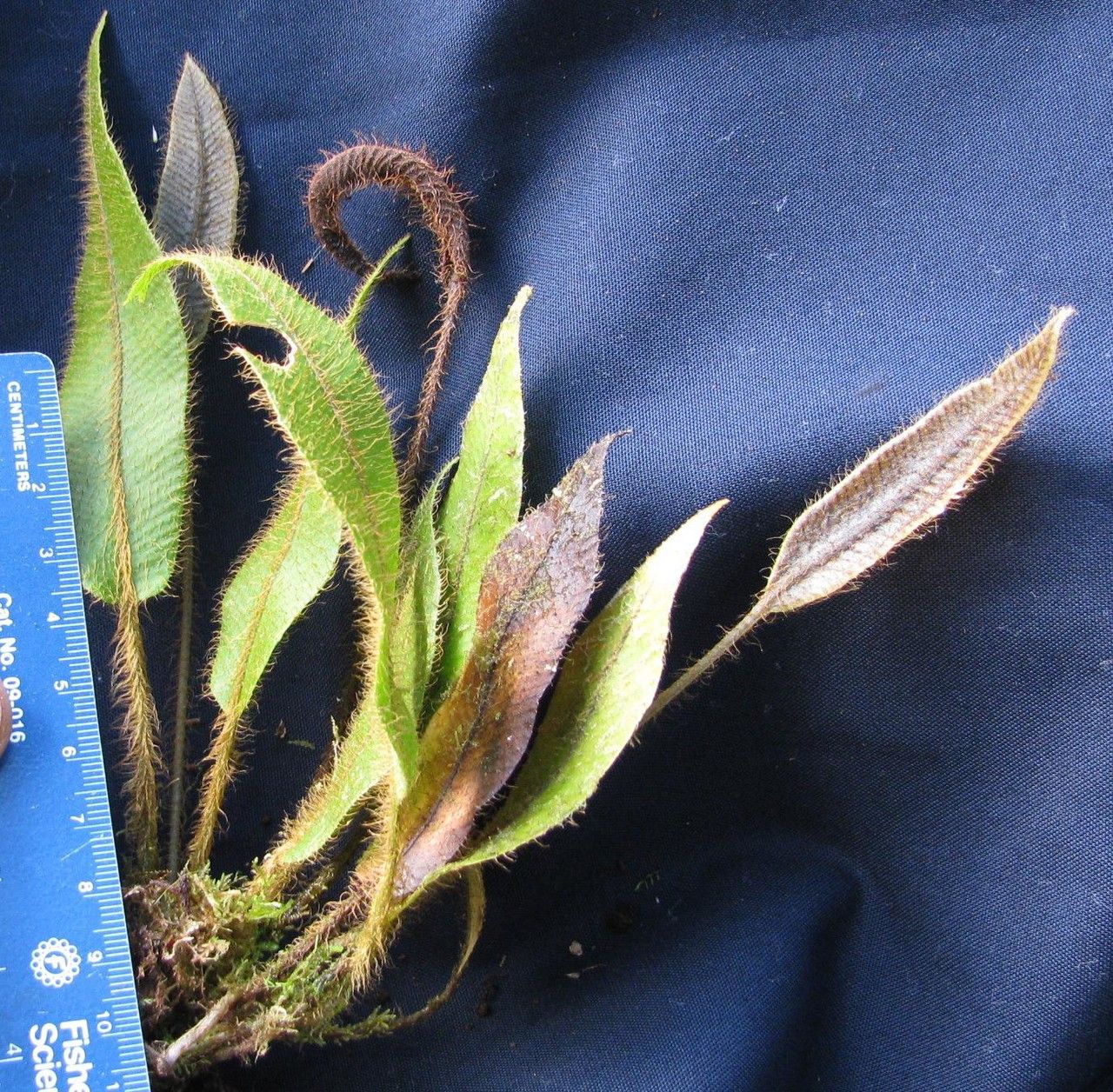
Demystifying Elaphoglossum Setosum Propagation: A Tongue Fern’s Tale
Elaphoglossum setosum, also known affectionately as the Tongue Fern for its long, undivided fronds, is a fascinating plant that can bring a touch of the rainforest to your home. While caring for this epiphytic fern might seem daunting at first, propagating your own Elaphoglossum setosum can be a rewarding experience. Let’s dive into the how-to of multiplying your very own Tongue Fern.
Understanding the Elaphoglossum Setosum
Native to tropical rainforests, this fern thrives in humid environments, often growing on tree trunks and branches rather than in soil. This epiphytic nature makes traditional propagation methods like division less suitable. Instead, we turn to the magic of spores.
Spore Propagation: A Microscopic Adventure
- Spore Collection: Look for mature, dark brown sori (spore-producing structures) on the underside of the fronds. Carefully scrape the sori onto a clean piece of white paper.
- Spore Preparation: Spread the collected spores thinly on a fresh sheet of paper and allow them to dry for a day or two. This helps remove excess moisture which can lead to mold.
- Sowing the Spores: Prepare small pots or trays with a well-draining, sterile potting mix. Moisten the mix thoroughly and sprinkle the spores evenly across the surface. Don’t bury the spores; they need light to germinate.
- Creating a Humid Environment: Cover the pots with clear plastic wrap or use a humidity dome to maintain a high moisture level, mimicking their natural rainforest habitat. Place the pots in a bright location, but out of direct sunlight.
- Patience is Key: Spore germination can take anywhere from a few weeks to several months. Maintain consistent moisture and humidity, and watch carefully for the emergence of small, heart-shaped gametophytes.
- Transplanting the Gametophytes: Once the gametophytes develop, carefully separate them and transplant them into individual pots filled with the same well-draining mix. Continue to provide high humidity until the ferns are established.
Tips for Success:
- Sterility is paramount: Use sterile potting mix and containers, and sterilize your tools to prevent fungal contamination.
- Maintain consistent humidity: Misting regularly and using a humidity dome or plastic wrap will help create the ideal environment.
- Be patient: Growing ferns from spores is a slow process. Don’t be discouraged if you don’t see results immediately.
The Rewards of Propagation:
Propagating your own Elaphoglossum setosum is a rewarding journey that allows you to witness the fascinating life cycle of these ancient plants. Not only will you increase your plant collection, but you’ll also gain a deeper appreciation for the intricate beauty and resilience of the natural world. So, why not embark on this adventure and add the magic of Tongue Fern propagation to your plant parenting repertoire?