
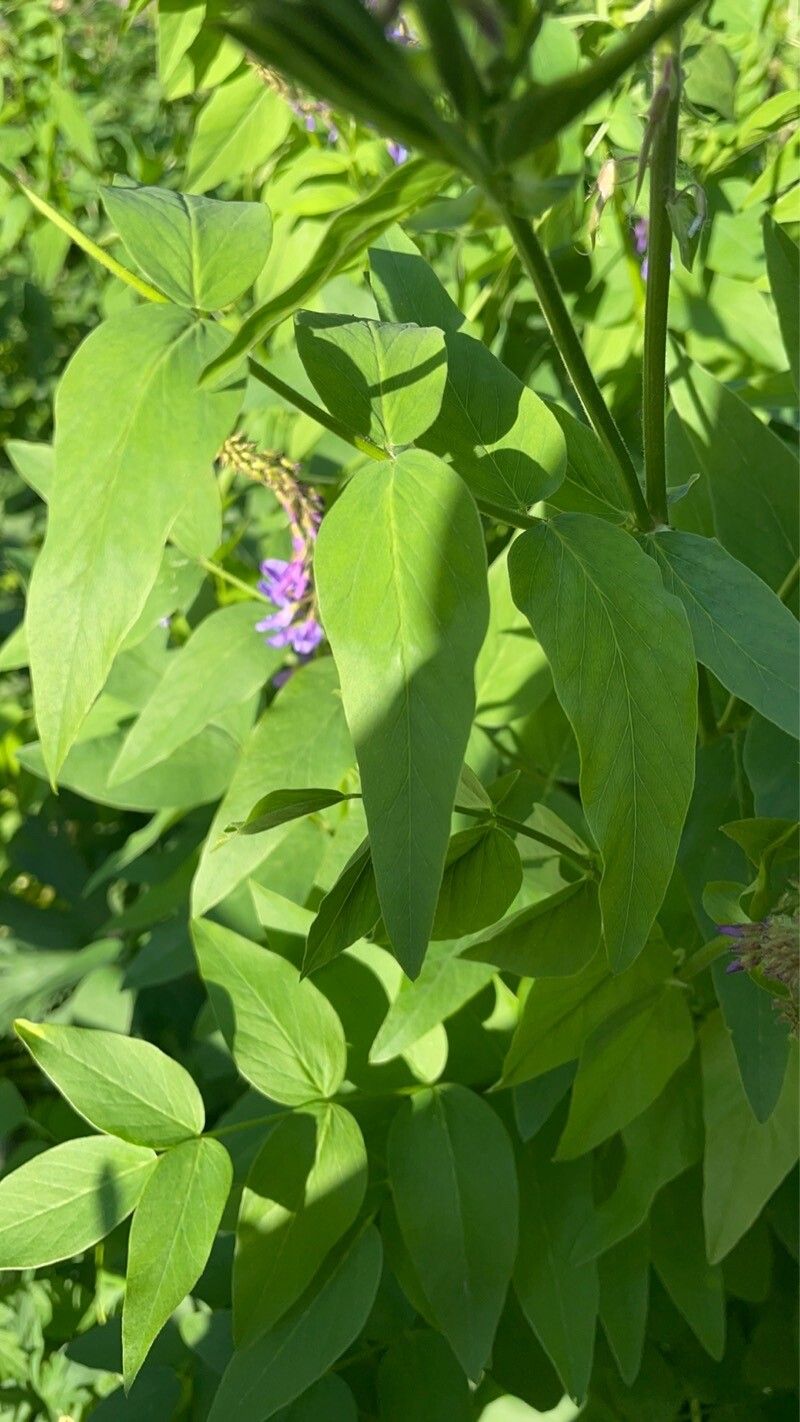
Unleashing the Potential of Galega orientalis: A Guide to Propagation
Galega orientalis, also known as goat’s rue or fodder galega, is a powerhouse perennial boasting beautiful blooms and remarkable nitrogen-fixing abilities. This makes it a favorite for gardeners seeking both beauty and ecological benefits. While readily available for purchase, propagating your own Galega orientalis is a rewarding experience that lets you expand your garden for less.
This guide will delve into the two most effective methods for propagating Galega orientalis:
1. Seed Propagation:
- Timing is Key: Spring is the ideal time to sow Galega orientalis seeds. Aim for a period after the last frost when the soil has warmed up considerably.
- Sowing Indoors vs. Outdoors: You can choose to start seeds indoors 6-8 weeks before the last anticipated frost or directly sow them into your garden bed.
- Indoor Sowing: Use a seed starting mix and sow seeds at a depth of ¼ inch. Maintain consistent moisture and provide ample sunlight or grow lights.
- Outdoor Sowing: Prepare the garden bed by loosening the soil and removing any weeds. Sow seeds ¼ inch deep and space them 12-18 inches apart.
- Germination Period: Galega orientalis seeds typically germinate within 14-21 days.
- Thinning Out: Once seedlings develop a few true leaves, thin them out to ensure proper spacing and airflow, leaving the strongest seedling in each spot.
- Transplanting: If starting indoors, harden off the seedlings before transplanting them outdoors after the danger of frost has passed.
Advantages of Seed Propagation:
- Cost-effective: Seeds are generally more affordable than purchasing established plants.
- Greater Quantity: Seed propagation allows you to produce multiple plants simultaneously.
- Genetic Diversity: Growing from seeds can introduce genetic variation, potentially leading to stronger plants over time.
2. Division:
- When to Divide: Spring or early fall, when the plant is dormant or just beginning to show new growth, are the optimal times for division.
- The Process:
- Water the plant a day or two before division to minimize stress.
- Carefully dig up the entire clump, ensuring you dig wide enough to avoid damaging the roots.
- Use a sharp, clean spade or garden knife to divide the clump into smaller sections, ensuring each section has a healthy amount of roots and shoots.
- Replant the divisions immediately in their desired locations, ensuring the crown is level with the soil surface.
Advantages of Division:
- Faster Results: Divisions produce mature plants much faster than growing from seed.
- Preserves Plant Traits: Division guarantees the offspring will be genetically identical to the parent plant, retaining desirable characteristics.
General Care After Propagation:
- Watering: Keep the soil consistently moist but not waterlogged. Once established, Galega orientalis displays some drought tolerance.
- Sunlight: Plant in a location that receives at least 6 hours of direct sunlight daily.
- Soil: Well-draining soil is crucial to prevent root rot. Amend heavy clay soils with compost or other organic matter to improve drainage.
- Fertilization: Due to its nitrogen-fixing properties, Galega orientalis requires minimal fertilization. An annual application of balanced fertilizer in spring is usually sufficient.
By following these propagation techniques and providing adequate care, you can add the vibrant and beneficial Galega orientalis to your garden, enjoying its beauty and reaping the rewards of this remarkable plant for years to come.