
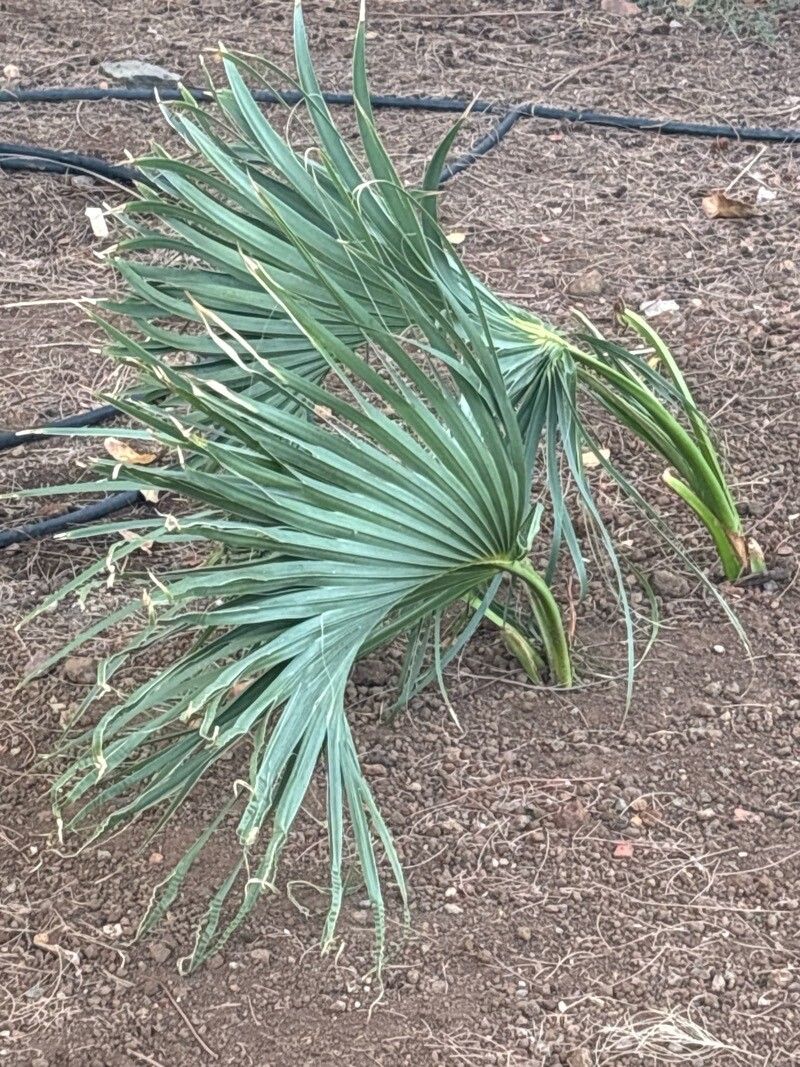
Unlocking the Secrets of the Root Spine Palm: A Propagation Guide
The Cryosophila stauracantha, more commonly known as the root spine palm, is a captivating beauty. Native to the rainforests of Central America, this palm is a sight to behold with its unique “root spine” armor and elegant fan-shaped leaves. But what if you want to multiply your own slice of the rainforest? Let’s explore the fascinating, albeit somewhat challenging, world of Cryosophila stauracantha propagation.
Seed Propagation: A Test of Patience
The most common – and arguably most rewarding – method for propagating Cryosophila stauracantha is through seeds. Here’s a step-by-step guide:
Sourcing Seeds: The first hurdle is obtaining viable seeds. You can sometimes find them online from reputable sellers specializing in exotic palms. Ensure the seeds are fresh for the best germination rates.
Preparing the Seeds: Root spine palm seeds have a tough outer layer that benefits from scarification. Gently rub the seed against sandpaper to create a small opening. This allows moisture to penetrate, encouraging germination.
Sowing the Seeds: Use a well-draining seed starting mix. Sow the seeds about 1 inch deep and keep them consistently moist but not waterlogged.
Warmth and Humidity: This tropical palm enjoys warmth! Aim for a consistent temperature of around 80-85°F (27-29°C). Covering the seed trays with a humidity dome or plastic wrap can help maintain moisture and warmth.
- Patience is Key: Be prepared for a waiting game. Cryosophila stauracantha seeds can take anywhere from a few months to a year or more to germinate!
Division: Less Common, More Challenging
While possible, propagating Cryosophila stauracantha through division is less common and much less reliable than seed propagation. This palm species doesn’t readily produce offsets or “pups.”
If you find your palm has multiple stems, you can attempt division, but it’s a delicate procedure with a lower success rate. It’s best to consult detailed guides or seek advice from experienced palm growers before attempting this method.
Caring for Your Young Palms
Once your Cryosophila stauracantha seedlings have sprouted, you’ll need to provide them with the right care:
Light: Young palms prefer bright, indirect light. Avoid direct sunlight which can scorch their delicate leaves.
Water: Maintain consistently moist soil, allowing the top inch to dry out slightly between waterings.
Humidity: Recreate a humid environment by misting the seedlings regularly or placing a humidity tray nearby.
- Fertilizer: During the growing season (spring and summer), feed your young palms with a balanced, diluted liquid fertilizer every 4-6 weeks.
A Worthwhile Endeavor
Propagating Cryosophila stauracantha is not for the faint of heart. It requires patience, dedication, and a touch of green thumb luck. However, the reward of successfully raising your own root spine palm, witnessing its unique spiny trunk develop, and owning a piece of the rainforest is truly invaluable for any plant enthusiast.