
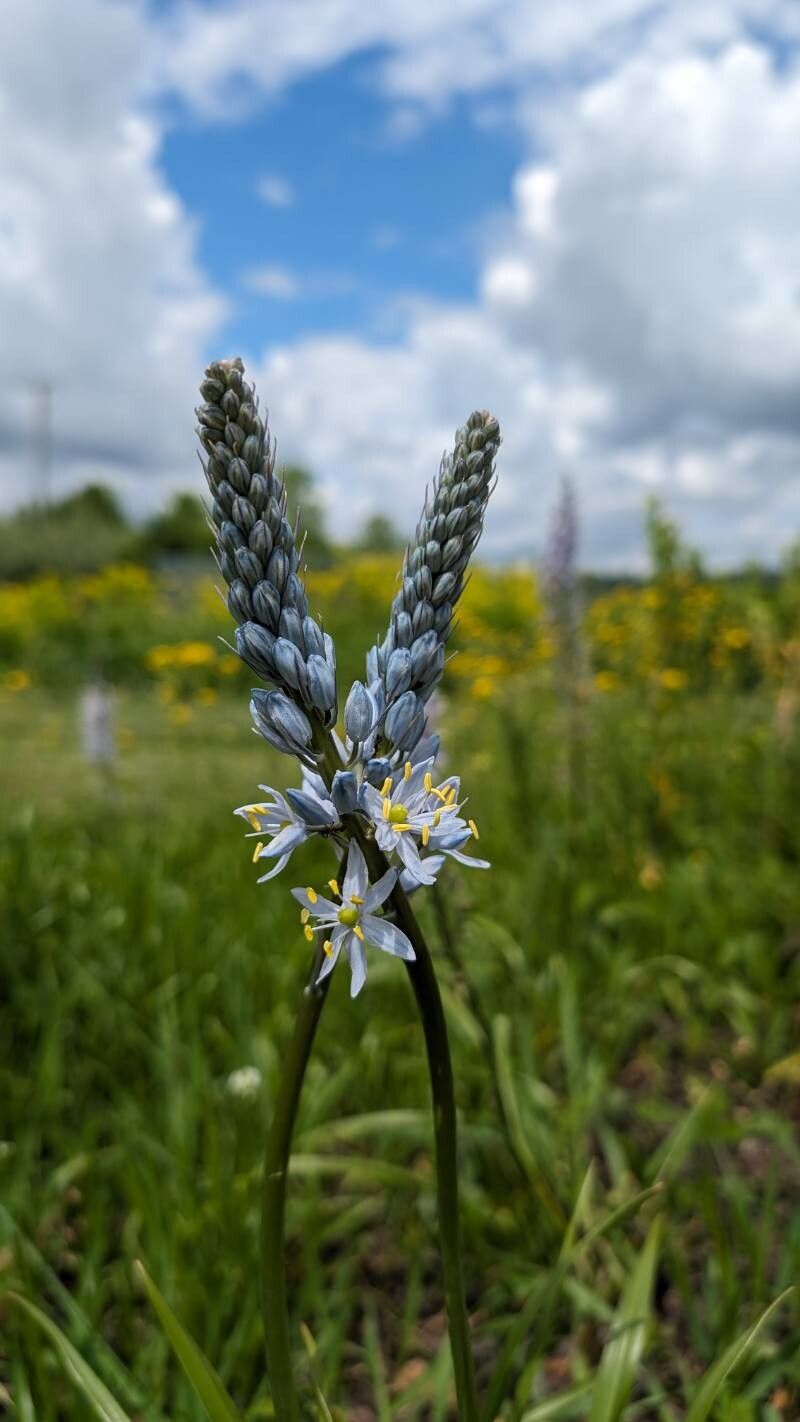
Unleashing the Beauty of Camassia Angusta: A Guide to Propagating This Prairie Gem
Camassia angusta, also known as the Prairie Camas or Narrow-Leaved Camas, is a captivating bulbous perennial that graces gardens with its elegant, star-shaped blooms in shades of blue, violet, and white. Native to North American prairies, this resilient beauty adds a touch of wildflower charm to any landscape. While relatively low-maintenance, understanding how to propagate Camassia angusta allows you to expand your floral display and share the joy of this captivating plant.
Seed Propagation: A Journey of Patience and Reward
Propagating Camassia angusta from seed is a rewarding, albeit slow, process that requires patience and dedication. Here’s a step-by-step guide:
- Seed Collection: Collect mature seed capsules in late spring or early summer as they turn brown and begin to split open. Allow the capsules to dry completely before extracting the seeds.
- Sowing Time: Camassia angusta seeds benefit from cold stratification, mimicking their natural environment. Sow seeds outdoors in fall, directly into prepared beds or containers. Alternatively, you can cold stratify them artificially in a refrigerator for 8-12 weeks before sowing in spring.
- Sowing Depth: Sow seeds shallowly, about ¼ inch deep, in well-draining soil.
- Patience is Key: Germination can be slow and erratic, with some seeds taking several months or even a full year to sprout. Keep the soil consistently moist but not waterlogged.
- Transplanting: Once seedlings are large enough to handle, thin them out to 6-8 inches apart. Transplant them to their final location in the garden the following spring.
Bulb Offsets: The Faster Track to Floral Abundance
For quicker results and established blooms, propagating Camassia angusta through bulb offsets is ideal:
- Timing is Everything: Divide established clumps in late summer or early fall after the foliage has died back.
- Gentle Division: Carefully dig up the entire clump, ensuring you don’t damage the bulbs. Gently separate the offsets, which are smaller bulbs attached to the mother bulb.
- Replanting: Replant the offsets immediately at the same depth they were originally growing. Choose a location with well-draining soil and full sun to partial shade.
- Water Well: Water thoroughly after replanting and keep the soil consistently moist until the offsets establish themselves.
Caring for Your New Camassia Angusta
Whether you choose seed propagation or bulb offsets, providing optimal care is crucial for healthy growth:
- Sunlight: Plant in full sun to partial shade.
- Soil: Ensure well-draining soil to prevent bulb rot.
- Water: Provide regular watering, especially during dry spells. Camassia angusta thrives in moist soil but dislikes soggy conditions.
- Fertilizer: Apply a balanced fertilizer in spring to encourage healthy foliage and abundant blooms.
By following these simple propagation techniques, you can nurture a thriving colony of Camassia angusta, transforming your garden into a haven of natural beauty. From seed to stunning floral display, you’ll marvel at the resilience and charm of this prairie gem.