
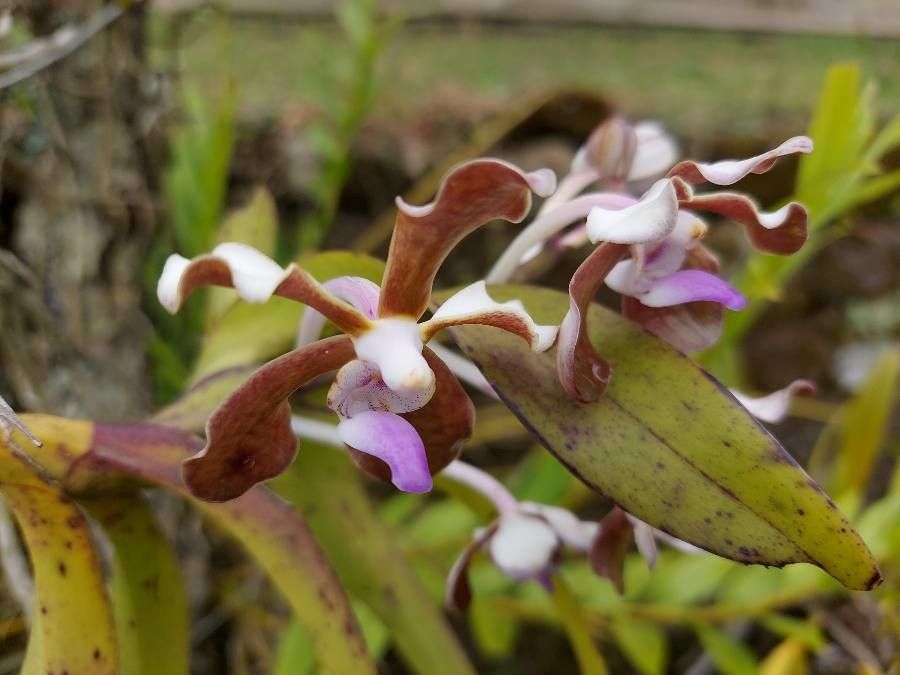
Unlocking the Secrets of Vanda Bicolor Propagation: A Guide for Stunning Orchids
Vanda bicolor, with its vibrant, intricately patterned blooms, is a showstopper in the orchid world. This epiphytic beauty, native to Southeast Asia, is known for its vigorous growth habit and stunning, long-lasting flowers. While caring for a mature Vanda bicolor can be relatively straightforward, propagating these orchids can feel like unlocking a botanical secret.
Fear not, aspiring orchid enthusiasts! While Vanda bicolor propagation requires a bit of patience and finesse, it is an achievable feat that can reward you with even more of these exquisite orchids. Let’s delve into the methods that hold the key to success.
Method 1: Keiki Propagation – Nature’s Little Miracle
“Keiki” is a Hawaiian term meaning “little one,” and in the orchid world, it signifies a delightful surprise: a baby plant growing on the stem of a mature orchid! Vanda bicolor occasionally produces keikis, offering a relatively easy propagation route.
Here’s how to nurture a keiki into an independent orchid:
- Identification: Look for small plantlets emerging from nodes along the main stem, often below the leaves.
- Patience is Key: Wait until the keiki develops at least three roots, each about 2-3 inches long. This ensures the baby plant can sustain itself.
- Gentle Separation: Carefully detach the keiki from the mother plant using a sterilized sharp knife or shears. Ensure you include a small portion of the stem with the keiki.
- Potting Up: Plant the keiki in a well-draining orchid mix specifically designed for Vandas. Provide gentle support with a stake if needed.
- Humidity is Crucial: Keikis thrive in a humid environment. Consider placing a humidity tray nearby or misting regularly.
Method 2: Top Cutting Propagation – A More Advanced Technique
While less common, propagating Vanda bicolor from top cuttings is possible, albeit more challenging. This method involves stimulating root growth from a section of the mature plant’s stem.
Here’s a step-by-step guide:
- Selection is Key: Choose a healthy, mature Vanda bicolor with a strong root system and at least six leaves.
- Clean Cut: Using sterilized tools, make a clean cut just below an aerial root or node on the upper portion of the stem. Leave at least three to four leaves on the mother plant.
- Hormone Treatment (Optional): Dipping the cut end in rooting hormone powder can encourage root development but isn’t always necessary.
- Potting Medium: Plant the cutting in a well-draining orchid mix, ensuring the cut end is firmly in the medium but not buried too deep.
- Warmth and Humidity: Provide a warm, humid environment similar to keiki propagation. A humidity dome or greenhouse can be beneficial.
Important Considerations for Success:
- Sterilization: Always sterilize your cutting tools with rubbing alcohol before and after use to prevent the spread of diseases.
- Patience is Paramount: Vanda bicolor propagation, regardless of the method, takes time. Don’t be discouraged if you don’t see results immediately.
- Provide Optimal Conditions: Bright, indirect light, high humidity, good air circulation, and warm temperatures are crucial for successful Vanda bicolor propagation.
Propagating Vanda bicolor is a rewarding experience for orchid enthusiasts. While it requires patience and careful attention to detail, the joy of witnessing a new plant flourish from a keiki or cutting is a testament to the magic of nature and your nurturing touch.