
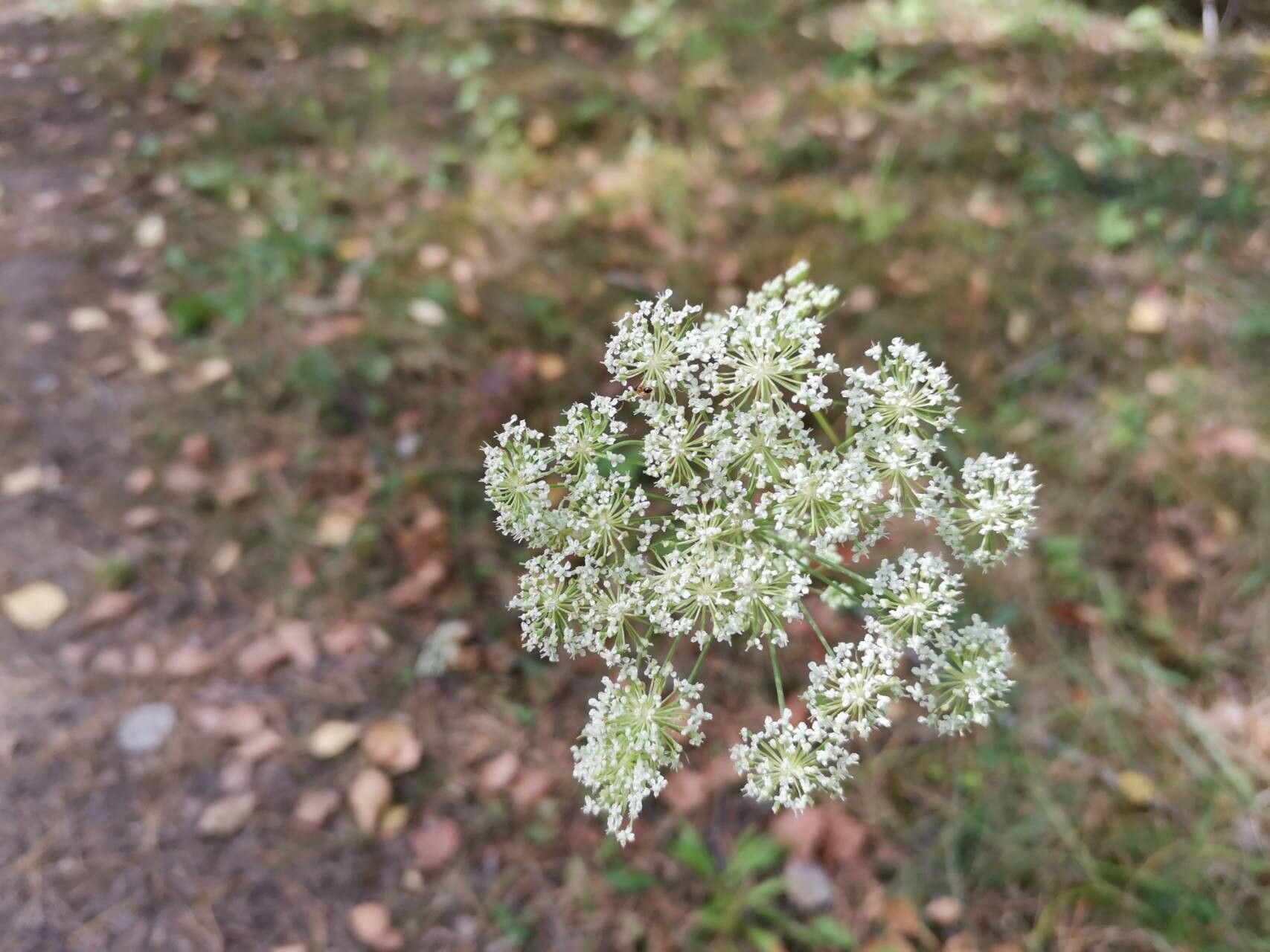
Unlocking the Secrets: Propagating the Exquisite Cenolophium Fischeri
Cenolophium fischeri, with its captivating frothy blooms and delicate fern-like foliage, can add an ethereal touch to any garden. But this enchanting plant, also known as the Baltic Parsley or Fischer’s False Fennel, is often shrouded in mystery when it comes to propagation. Fear not! This comprehensive guide will unlock the secrets and equip you with the knowledge to successfully propagate Cenolophium fischeri.
Two Paths to Propagation:
This resilient perennial offers two primary methods for propagation: seed sowing and division. Each has its own set of advantages and considerations.
1. Seed Sowing: A Dance with Patience
- The Timing: Spring is the optimal time for sowing Cenolophium fischeri seeds.
- The Setup: Begin by sowing seeds in a seed tray or small pots filled with a well-draining seed starting mix. Lightly press the seeds onto the surface and cover them with a thin layer of vermiculite or fine compost.
- Warmth and Light: Place the seed tray in a warm, bright location, out of direct sunlight. Maintaining a consistent temperature around 65-70°F (18-21°C) is crucial for successful germination.
- Moisture is Key: Keep the soil consistently moist but not waterlogged. Using a spray bottle to mist the soil surface can help prevent disturbing the seeds.
- Patience, Young Padawan: Germination can take anywhere from 2 to 4 weeks, sometimes even longer. Don’t lose heart! Just like this elegant plant, good things take time.
- Transplanting Time: Once the seedlings develop a few true leaves, they can be carefully transplanted into individual pots or directly into the garden once the risk of frost has passed.
2. Division: The Art of Multiplication
- When to Divide: Early spring or late fall, when the plant is dormant, is the best time for division.
- Gentle Hands: Carefully dig up the entire plant, ensuring you get as much of the root system as possible.
- The Dividing Line: Using a sharp, clean knife or garden spade, divide the plant into sections, making sure each division has a healthy portion of roots and shoots.
- New Beginnings: Replant the divisions immediately in well-prepared soil, ensuring they are at the same depth they were originally growing. Water thoroughly.
- Rapid Establishment: Compared to seedlings, divisions have a head start and will establish themselves faster in the garden.
Nurturing Your Cenolophium Fischeri:
Whether you choose the path of seed sowing or division, providing the right growing conditions is essential for your Cenolophium fischeri to thrive:
- Sun and Shade: This plant prefers partial shade, ideally with morning sun and afternoon shade.
- Drainage is Paramount: Ensure well-drained soil to prevent root rot. Amending the soil with compost can also improve drainage.
- Watering Wisely: Water regularly, especially during dry periods, but avoid overwatering.
- Feeding Time: A light feeding with a balanced fertilizer in spring can encourage healthy growth.
Conclusion:
While Cenolophium fischeri may seem like a hidden gem in the plant world, propagating this beauty is not as daunting as it seems. With a bit of patience, care, and the right knowledge, you can readily multiply your stock and adorn your garden with this captivating perennial. So, embrace the challenge and enjoy the reward of witnessing the ethereal beauty of Cenolophium fischeri grace your outdoor spaces for years to come!