
Spreading the Butterfly Love: Easy Ways to Propagate Tropical Milkweed
Tropical milkweed (Asclepias curassavica), with its vibrant orange and yellow flowers, is a favorite among gardeners and butterflies alike. But did you know that growing more of this beautiful, butterfly-attracting plant is easier than you think? Whether you’re a seasoned gardener or just starting out, propagating your own tropical milkweed is a rewarding experience. Let’s explore the different methods:
1. The Power of Seeds:
Tropical milkweed is a champion seed producer! Here’s how to harness that power:
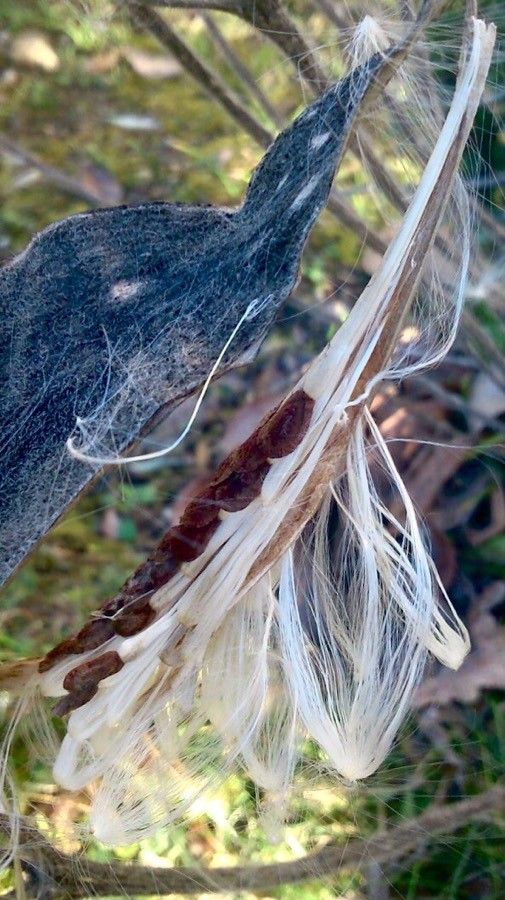
- Collection: As the vibrant flowers fade, they’re replaced by elongated seed pods. Wait until the pods turn brown and start to split open, revealing a treasure trove of fluffy, brown seeds.
- Preparation: Separate the seeds from the fluffy coma (those white, silky hairs) and store them in a cool, dry place until you’re ready to plant.
- Sowing: Start seeds indoors 6-8 weeks before the last frost or sow directly into your garden after the danger of frost has passed. Sprinkle the seeds on top of well-drained soil and lightly press them in. Keep the soil moist but not soggy, and watch as your little milkweed babies emerge in 7-14 days.
2. Taking Cuttings: The Cloning Technique
Looking for a faster route to mature plants? Try propagating through cuttings!
- Timing is Key: The best time for cuttings is during the active growing season, spring to early summer.
- Make the Cut: Choose a healthy stem that is not flowering. Using clean, sharp scissors or pruning shears, take cuttings about 4-6 inches long, just below a leaf node.
- Prepare the Cutting: Remove the lower leaves from the cutting, leaving only a few at the top.
- Rooting Hormone (Optional): While not essential, dipping the cut end in rooting hormone can encourage faster and more successful root development.
- Planting: Plant the cuttings in a well-draining potting mix, burying the bottom node. Water well and keep the soil consistently moist.
- Creating a Humid Environment: Covering the pot with a clear plastic bag or using a humidity dome helps create a warm, moist environment to encourage rooting.
3. Division: Separating for Success
Once established, tropical milkweed can form clumps. This presents an opportunity for division:
- Timing: Divide plants in early spring or fall when the weather is cooler.
- Digging Deep: Carefully dig up the entire plant, ensuring you get as much of the root system as possible.
- Divide and Conquer: Gently separate the plant into smaller sections, each with a good amount of roots and shoots attached.
- Replanting: Replant the divisions at the same depth they were originally growing and water them in well.
Propagating tropical milkweed is an easy and rewarding way to expand your garden and attract more butterflies. With a little patience and care, you’ll have an abundance of these beautiful plants in no time. Happy gardening!