
Unearthing the Secrets of Lesser Yam Propagation: Growing Your Own Dioscorea Esculenta
The world of edible tubers extends far beyond the common potato and sweet potato. One fascinating and delicious example is the lesser yam, scientifically known as Dioscorea esculenta. This ancient Southeast Asian crop offers a unique flavor and texture, but its true magic lies in its fascinating propagation methods. Let’s dig into the intriguing world of lesser yam propagation and empower you to grow your own!
Understanding the Anatomy of Propagation
Before we delve into the specifics, let’s grasp the basics of how lesser yams reproduce. Unlike many plants that rely solely on seeds, Dioscorea esculenta can be propagated through both sexual and asexual methods. In simpler terms, you can either plant seeds or use parts of the existing plant to create new ones:
Sexual Propagation (Seed): This method, while natural, is less common due to the lengthy process. Seeds can be collected from mature fruits, but they often exhibit low germination rates and variable results.
Asexual Propagation: This method reigns supreme for lesser yams, offering faster and more reliable outcomes. The options within asexual propagation are diverse and interesting:
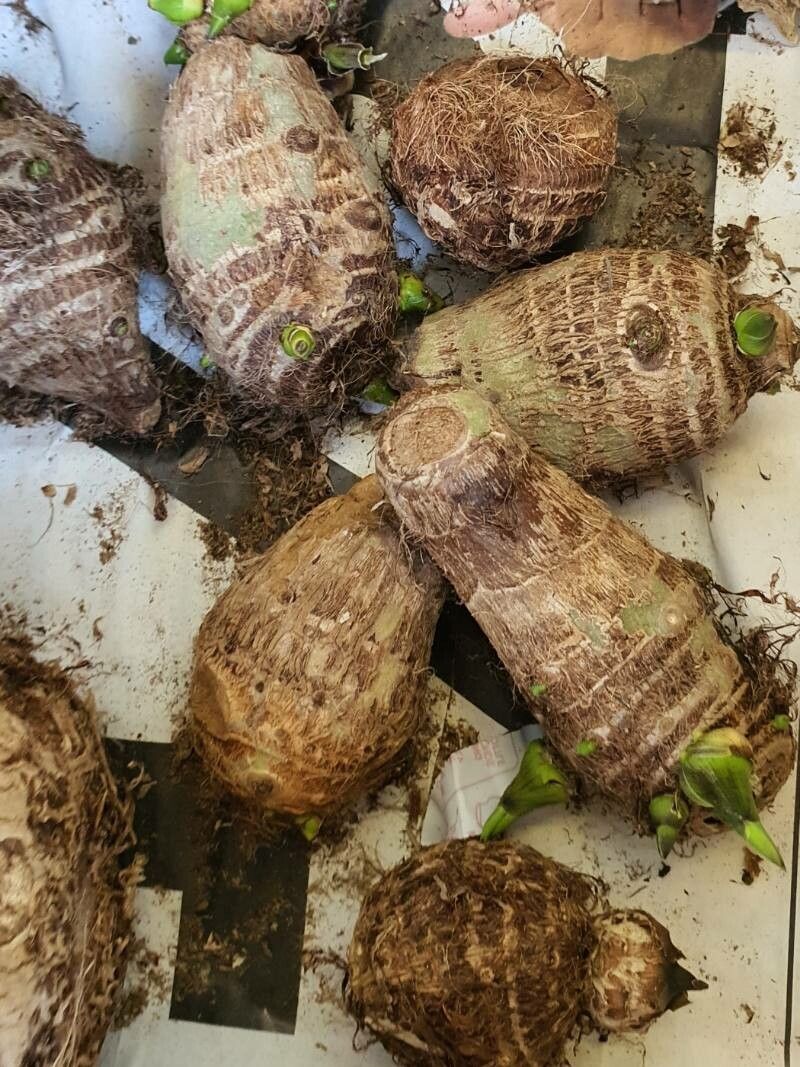
Tubers: The most common method involves planting small, whole tubers directly into the ground. These tubers, often called “seed yams,” sprout roots and shoots, eventually developing into new plants.
Tuber Pieces: For larger tubers, you can cut them into smaller pieces, making sure each piece has at least one “eye” or bud. These pieces are then planted like whole tubers.
- Bulbils: These small, aerial tubers growing in the leaf axils offer another propagation method. Carefully remove and plant them just like you would with tubers.
Tips for Successful Lesser Yam Propagation
Timing is Key: Plant your tubers or bulbils in the spring after the last frost when the soil is warm.
Location, Location, Location: Lesser yams thrive in well-drained, loose soil with plenty of organic matter. Choose a sunny spot that receives at least 6 hours of direct sunlight.
Spacing Matters: When planting tubers or tuber pieces, allow for ample space between them—around 12-18 inches apart—to facilitate healthy growth.
- Patience is a Virtue: Growing lesser yams from seeds or bulbils requires patience, as they take longer to establish compared to tubers. However, the satisfaction of nurturing a plant from its earliest stages is truly rewarding.
Reaping the Rewards of Your Propagation Efforts
With proper care and attention, your propagated lesser yams will flourish, rewarding you with a bountiful harvest. These versatile tubers can be boiled, mashed, roasted, or fried—offering a unique flavor profile that complements a variety of dishes.
Beyond the culinary delights, propagating your own Dioscorea esculenta provides a deeper connection to your food and a sense of accomplishment. So, embrace the fascinating world of lesser yam propagation and embark on your own rewarding journey of cultivating this ancient and delicious crop.